Miami Pre-Construction Condos 2026: The Complete Buyer’s Guide

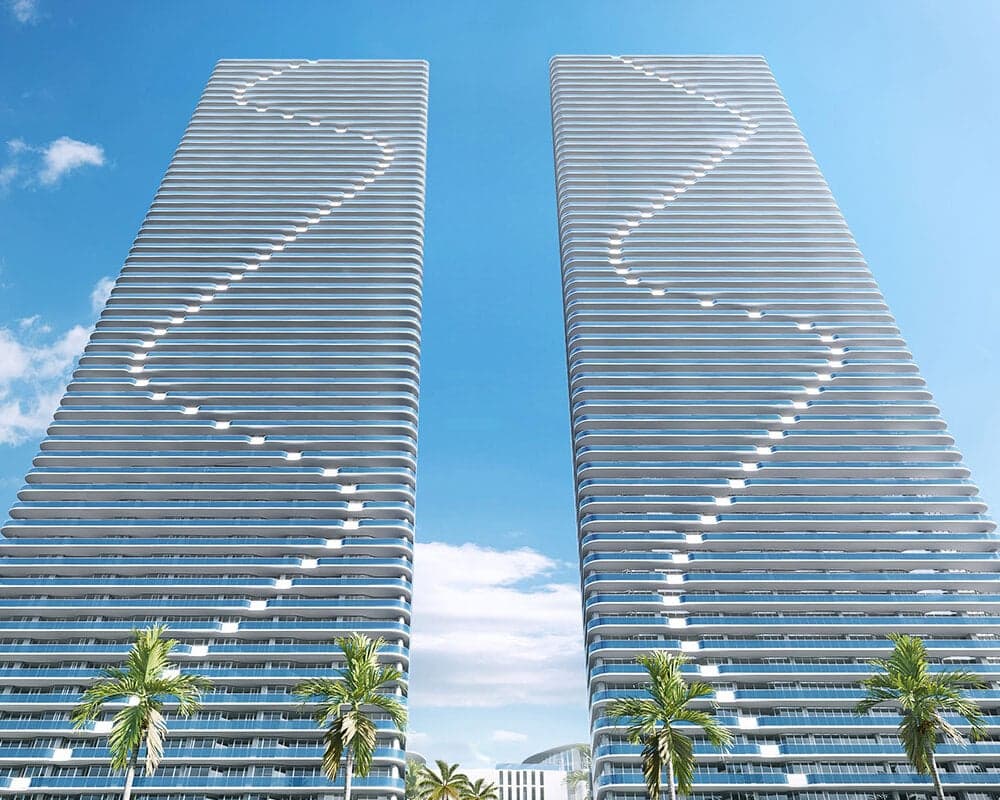
If you’re reading this… you’re either about to drop a few million on a Miami pre-construction condo… or you’re thinking about it. And you want to know if you’re making a genius move or signing up to get financially waterboarded for the next three years. Fair question. Because pre-construction is WEIRD. Although the pre-construction condos Miami offers are incredible, you’re still writing checks for an apartment that doesn’t exist yet… based on renderings that look like a sci-fi movie… hoping that in 2028, when it ACTUALLY gets built… it’ll be worth MORE than you paid. And you’re betting the developer doesn’t cancel. The market doesn’t tank. And the building finishes on time. (Spoiler: It won’t.) But here’s the thing… when pre-construction goes RIGHT…
You lock in today’s price in a market that historically appreciates 4–8% per year. You spread payments over 24–36 months instead of dropping $5M at once. You customize finishes. Pick your floor. Sometimes combine units. And by closing? Your unit could be worth 20–40% more. The reality is messier. Miami runs the LONGEST pre-construction cycles in the US. 24 to 36 months is standard. Sometimes 48+. And during that time, a lot can happen. Rates spike. The developer pulls out. The appraisal comes in low. You’re staring down a $500K gap at closing. So this guide exists to help you navigate ALL of that.
By the end, you’ll know:
- How the process works (step-by-step, milestone-by-milestone)
- Your legal protections under Florida Chapter 718
- How much you need to put down and WHEN
- Which 2026 launches are worth watching
- How to avoid getting burned
- Whether to flip via assignment or hold through closing
This is a LONG guide. Because buying pre-construction is a LONG process. But if you’re committing $2M–$10M over three years, you probably want the full story. So let’s break it down.
What a Pre-Construction Condo Actually Is in Miami (2026)
Let’s start with the basics. Because “pre-construction” means different things depending on who you ask. Pre-construction = you’re buying a condo unit BEFORE the building is finished. Sometimes before they’ve even broken ground. You sign a contract. Put down deposits over time. And eventually… 24 to 36 months later… the building gets done. You close. You get keys. Simple enough. But Miami pre-construction has FOUR distinct phases:
Phase 1: Reservation
You fall in love with a rendering. Tour the sales gallery. (Which is nicer than the actual building will be, by the way.) And you put down a reservation deposit. Usually $50K to $100K. Fully refundable at this stage. This holds your unit while the developer drafts your contract.
Phase 2: Contract
30 to 60 days later… the developer sends you a purchase and sale agreement. You review it. (Hopefully with a lawyer who actually knows Florida condo law.) You sign. And now you put down your first hard deposit—typically 10% of the purchase price. This money goes into escrow per Florida Statute §718.202. And fun fact… the developer CAN’T touch it yet. It sits there. Locked up. Until specific construction milestones are hit. You also have a 15-day rescission window (thanks, §718.503) to back out for ANY reason and get your deposit back. The clock runs from the later of two things—the day you sign, and the day you receive every document the developer owes you. After that? You’re locked in.
Phase 3: Construction
This is the LONG part. Over the next 24 to 36 months (sometimes longer), you’ll hit a series of deposit milestones:
- Groundbreaking (another 10%)
- Structural top-off (another 10%)
- Façade completion (another 10%)
- Pre-delivery (another 10%)
By the time you’re done, you’ve paid 50% of the purchase price. The other 50%? You bring that at closing.
Phase 4: Closing
The building gets its Temporary Certificate of Occupancy (TCO). This is the BIG milestone. Because once TCO is issued, the developer has the legal right to call closings. Usually within 30 to 60 days. You do a final walk-through. (The “punch list.”) You wire the remaining 50% (plus closing costs). You sign a mountain of paperwork. And boom. You own a brand-new Miami condo. A few months later, the building gets its Certificate of Occupancy (CO) and you can actually move in.
Why does Miami run the longest pre-construction cycles in the US?
Great question. A few reasons:
- Miami builds TALL. And tall takes time.
- Labor shortages.
- Supply chain delays
- Permitting. (Miami-Dade is not known for bureaucratic efficiency.)
- Hurricane season. (Delays happen. Every. Single. Year.)
So when a developer tells you “delivery in Q4 2027…” mentally add 6 to 12 months.
Pre-construction vs new construction vs new-construction resale
People confuse these ALL the time. So let’s clarify:
Pre-construction = building hasn’t been completed yet. You’re buying during the construction phase.
New construction = building is done (or nearly done), but units haven’t been lived in. You’re buying right at or after CO.
New-construction resale = someone bought pre-construction, closed, and is now flipping it to you. (Sometimes without ever living there.)
The BEST deals? Usually pre-construction. The SAFEST deals? New-construction resale. Because by then you know the building got finished. You know what the HOA fees actually are and that the finishes didn’t get “value-engineered” into oblivion.
Quick definitions you need to know:
TCO (Temporary Certificate of Occupancy)—The building is done enough that people can legally close and move in. Developers can start calling closings once TCO is issued.
CO (Certificate of Occupancy)—The city signs off that the building is complete and safe to occupy without conditions. This usually comes a few months after TCO. Worth knowing: a CO is a life-safety document, not a quality certificate. It can issue with cosmetic and warranty items still open, and it says nothing about whether your punch list got done.
Most people close at TCO. Not CO. Keep that in mind when you’re planning your move-in date.
Why Buyers Choose Pre-Construction (The Upside)

Alright. Now that you know WHAT pre-construction is… Let’s talk about WHY people do it. Because if it was all risk and delays, nobody would play this game.
1) Price-lock leverage against a rising market
This is the BIG one. Miami real estate has appreciated an average of 4% to 8% per year over the last decade. Some years more. Some years less. But the trend? Up and to the right. So if you lock in a $3M unit TODAY—and the building delivers in 2028—there’s a decent chance that unit is worth $3.6M to $4M by then. You just made $600K to $1M. For doing… nothing. (Well, except waiting. And stressing about whether the developer will actually finish.)
2) Customization
When you buy resale, you get what you get. Whoever lived there before you picked the finishes. And maybe they had TERRIBLE taste. (Looking at you, guy who put carpet in the kitchen.) But with pre-construction? Especially if you buy early in the sales cycle… you get options.
- Flooring (marble, wood, tile)
- Kitchen finishes (cabinetry, countertops, appliances)
- Bathroom fixtures
- Sometimes even layout tweaks
And if you’re REALLY early… and you have deep pockets… you can sometimes combine units. Turn two 2-bedrooms into a 4-bedroom. Or a 3-bedroom + den into a massive primary suite. Developers LOVE this. Because it means fewer individual buyers to deal with.
3) Lowest entry into branded residences
Here’s the play with Miami branded residences pre-construction… you get luxury… at a discount. Want to live in a Cipriani? A Waldorf Astoria? A Bentley? Cool. On the resale market… you’re looking at $5M+ easy. But if you buy pre-construction? You might get in at $3M to $4M. Because you’re taking on the risk of the project not delivering. And the market rewards risk-takers. (Sometimes.)
4) Capital deployment over 24–36 months
Let’s say you’re buying a $5M unit. If you buy resale, you need $5M (or at least $1.5M down + financing) AT CLOSING. All at once. But with pre-construction? You spread that out.
- $50K reservation
- $500K at contract (10%)
- $500K at groundbreaking
- $500K at top-off
- $500K at façade
- $500K pre-delivery
- $2.5M at closing
That’s way more manageable for high-net-worth buyers who don’t want to liquidate assets all at once. Plus… If you’re earning 5% in a money market fund… you’re making interest on that capital WHILE you wait.
5) Brand-new building, full developer warranty, latest Miami-21 code
When you buy new construction, everything is fresh. No one’s ever used your toilet. (Always a plus.) No mystery stains. No weird smells. No “why is this outlet sparking” situations. Plus, you get a statutory builder warranty under Florida §718.203:
- 3 years on your unit, from the date the building is completed
- 3 years on the roof, structure, and mechanical, plumbing and electrical systems—or 1 year after owners take control of the association, whichever lands later, capped at 5 years
- 1 year on other property conveyed with the unit
And the building is designed to the latest Miami 21 zoning code and the current Florida Building Code.
Which means:
- Better hurricane resistance and higher flood elevation standards—these come from the Florida Building Code and current FEMA maps, not from zoning
- Miami 21 itself governs the shape of the thing: massing, setbacks, density, how it meets the street
- Post-Surfside structural inspection requirements baked in
Older buildings? Not so much.
The Risks (The Downside)
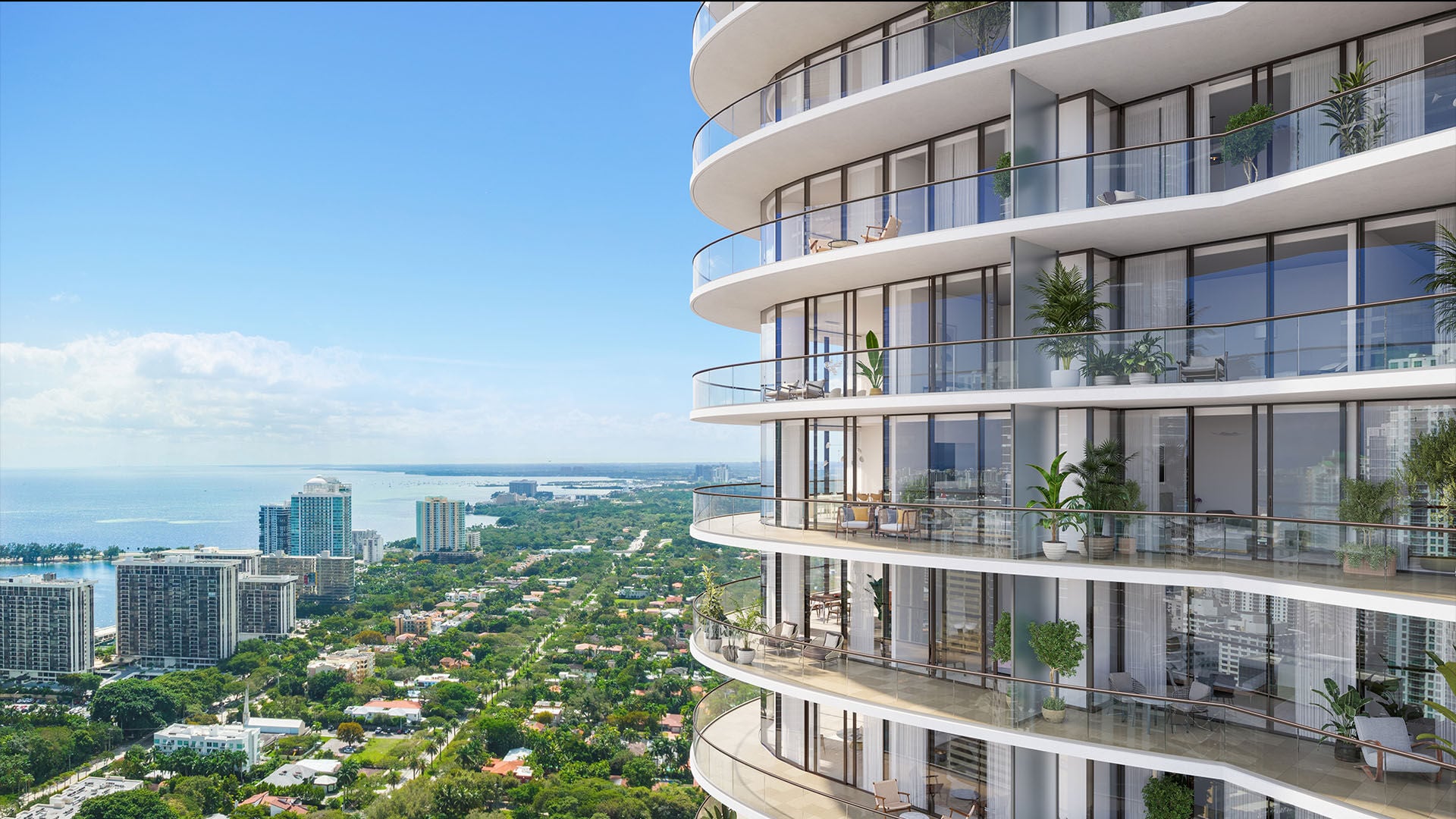
Alright. Real talk time. Because pre-construction is not a guaranteed win. And if you go into this blind… you can get WRECKED.
1) Developer cancellation
Here’s a fun fact:
Developers can cancel your project. Even AFTER you’ve signed a contract. Even AFTER you’ve put down deposits. Why? Because most contracts have sales-threshold contingencies buried in the fine print. Basically, if the developer doesn’t hit a certain percentage of sales (usually 50% to 70%),… they have the right to pull the plug. Return your deposits. And walk away. What happens to YOUR money? Per Florida Statute §718.202, your deposits are held in escrow. So if the project gets cancelled, you get your money back. But… you DON’T get:
- The appreciation you were counting on
- Compensation for the opportunity cost of having your capital tied up for 18+ months
- Interest on your deposits (unless specified in your contract, which it usually isn’t)
So yeah. You’re made “whole” in the legal sense. But you’re not happy about it.
2) Delivery delays
Let me give you a number: 6 to 14 months. That’s the average delivery delay for Miami pre-construction projects that closed between 2018 and 2024. Some were shorter. Some were much longer.
Why?
- Permitting delays
- Labor shortages
- Supply chain issues
- Weather (hello, hurricane season)
- Contractor disputes
- Financing issues on the developer’s side
And here’s the thing… most contracts give the developer a TON of wiggle room on delivery dates. You’ll see language like: “Estimated delivery: Q4 2027, subject to force majeure, permitting delays, and other unforeseen circumstances.” Translation: “We’ll get it done when we get it done. Maybe.” What can YOU do about it? Not much. You can’t sue for delays unless the contract specifies an “outside date” with penalties. (And most don’t.) So if you’re planning to move in by a certain date, build in a buffer. And maybe keep your current lease month-to-month.
3) Appraisal gaps at closing
This one sneaks up on people. Here’s how it plays out: You sign a contract in 2025 for a $4M unit. Over the next 30 months, you dutifully pay your deposits. Finally, in 2028, the building gets TCO. Time to close. You apply for financing. The bank sends an appraiser. And the appraiser comes back and says: “Yeah, this unit is worth $3.5M.” Uh oh. Now you have a $500K appraisal gap. The bank will only lend based on the APPRAISED value. Not your contract price. So guess who has to make up the difference? You. Out of pocket. At closing. Why does this happen? A few reasons:
- The market softened between contract and closing
- Comparable sales in the building came in lower than expected
- The appraiser is being conservative (banks got burned in 2008 and are now paranoid)
How do you protect yourself?
- Put down MORE than the minimum deposit. (So you have more equity at closing.)
- Work with a lender who’s familiar with new-construction appraisals in Miami.
- Have extra liquidity on hand. Just in case.
Or… walk away. (Though you’ll lose your deposits if you do.)
4) HOA shock
Developers are NOTORIOUS for low-balling HOA estimates in the prospectus. Why? Because high HOA fees scare buyers. So they’ll estimate $0.50 to $0.60 per square foot per month. Which sounds reasonable. But then, after Surfside, Florida passed SB 4-D in 2022. Which requires buildings to maintain structural integrity reserve funds. And suddenly… those $0.50/SF HOA fees? They’re $0.80/SF. Or $1.00/SF. Or more.
Real example:
A 2,000 SF unit was estimated at $1,000/month HOA. Year 1 actual? $1,600/month. That’s a $7,200/year swing. And it hits your cash flow. Hard. Especially if you’re renting the unit out. What can you do? Not much. HOA fees are set by the condo association. Not the developer. But you CAN:
- Read the prospectus carefully and assume fees will be 20% to 30% higher than estimated.
- Ask the developer for comparable buildings they’ve delivered and what actual Year 1 fees were.
- Budget accordingly.
5) Liquidity lockup
Once you sign that contract, your capital is LOCKED UP. For 24 to 36+ months. You can’t just “get out” without consequences.
Option 1: Assignment
You can try to sell your contract to someone else. This is called an assignment. But…
- You need developer approval (not guaranteed)
- You’ll pay an assignment fee (usually 1% to 3% of the contract price)
- You’ll owe capital gains tax on any profit
- Many contracts now LIMIT assignments to one per buyer
So if you’re buying with the intent to flip… know that the assignment game is MUCH harder than it used to be. (More on this later.)
Option 2: Walk away and lose your deposits
If you don’t close, you can lose everything you’ve put in. All those 10% deposits? Gone. And forfeiture isn’t always where it ends—depending on how your contract is written, a developer may also pursue actual damages or force the sale through. Read the remedies clause before you sign, and don’t go into pre-construction unless you’re sure you can close.
6) Specification drift
Here’s some fun contract language you’ll see:
“Developer reserves the right to substitute materials, finishes, and layouts with items of equal or greater value.”
Translation: “We’re going to change things. And you can’t do anything about it.” Maybe that Italian marble gets swapped for Spanish marble. Maybe the Sub-Zero fridge becomes a Bosch. Maybe the layout shifts because of engineering issues. And legally? They’re allowed to do this. As long as it’s “equal or greater value.” (Which is subjective.)
What can you do?
- Read the prospectus and contract CAREFULLY.
- Ask your agent (or lawyer) about the developer’s track record on spec drift.
- Accept that some changes are inevitable.
7) Project cancellation history
These aren’t common. But they happen. Which is why vetting your developer is crucial. (We’ll cover that in a bit.)
The Deposit Schedule—Where Your Money Goes and When
Alright. Let’s talk about MONEY. Specifically, how much you’re putting down, when, and where it goes. Because this is one of the most confusing parts of pre-construction. The standard Miami pre-construction deposit schedule looks like this:
| Milestone | % of Price | Cumulative | Typical Timing | Held In | What It Funds |
|---|---|---|---|---|---|
| Reservation | $50K–$100K flat | — | Day 0 | Escrow (refundable) | Sales gallery, marketing |
| Contract (1st 10%) | 10% | 10% | 30–60 days post-reservation | Escrow per §718.202 | Cannot be released to developer |
| 2nd Deposit | 10% | 20% | Groundbreaking | Per contract | Excavation, foundation |
| 3rd Deposit | 10% | 30% | Structural top-off | Per contract | Vertical construction |
| 4th Deposit | 10% | 40% | Skin/glazing milestone | Per contract | Façade, interiors rough-in |
| 5th Deposit | 10% | 50% | ~60 days before TCO | Per contract | Finishes, common areas, FF&E |
| Closing Balance | 50% | 100% | At TCO closing | — | Final price + closing costs |
This is called the 10/10/10/10/10/50 model. It’s not universal, but it’s the most common structure you’ll see in Miami. So let’s break it down… the reservation deposit: $50K to $100K, fully refundable. This is your “I’m interested” money. It holds the unit while the developer prepares your contract. And here’s the key: It’s fully refundable. If you change your mind… if the contract terms suck… if you just get cold feet… you can back out and get this money back. No questions asked. The 15-day rescission window (statutory): once you sign the contract… Florida law (§718.503) gives you 15 days to change your mind. For ANY reason. The 15 days run from whichever comes later—signing, or receiving all the documents the developer is required to hand over. And if the developer later sends an amendment that materially changes the deal against you, a fresh 15-day window opens. During any of these windows, you can cancel and get your deposit back. After that? You’re locked in.
What does “in escrow” actually mean? A lot of people think “escrow” means “protected.” And… sort of. Here’s what it actually means: Your deposits are held by a third-party escrow agent (usually a title company). But §718.202 splits your money into two buckets, and they are protected differently. The first 10% of the purchase price sits in escrow and the developer cannot touch it before closing—full stop. Everything above that 10% goes into a separate account the developer is allowed to draw on once construction has actually begun, and only to pay real construction and development costs. So the trigger is not a tidy ladder of milestones. It is: has construction started, and does your contract authorize the draw. Your contract may well set milestone-based draws on top of that—but that is the contract talking, not the statute. If the developer goes bankrupt before construction starts… your money is (theoretically) safe. But once milestones are hit and funds are released… that money is now in the developer’s hands. And if THEY go under… you’re an unsecured creditor. Which is a fancy way of saying: you’re probably screwed. Where does each deposit actually GO? Let’s walk through it:
Reservation deposit ($50K–$100K)—Sits in escrow, fully refundable, and funds nothing. Florida law specifically bars escrowed deposit money from paying for marketing, advertising, or sales commissions. It is a placeholder on your unit, not working capital.
- 1st deposit (10%)—Held in escrow until closing. The developer can’t touch this one at all.
- 2nd deposit (10%)—Released to developer at groundbreaking. Funds excavation and foundation work.
- 3rd deposit (10%)—Released at structural top-off. Funds vertical construction (the tower going up).
- 4th deposit (10%)—Released when the building is “skinned” (façade and glazing complete). Funds interior rough-ins.
- 5th deposit (10%)—Released ~60 days before TCO. Funds finishes, common areas, and furniture/fixtures/equipment (FF&E).
- Closing balance (50%)—You bring this at closing, along with closing costs.
Why does it work this way? Because developers don’t have $500M sitting around to build a tower. They use YOUR deposits (plus construction loans) to fund the project. It’s called pre-sales financing. And it’s how the whole game works.
The Timeline—Reservation to Keys
Alright. Let’s map this out visually. Because one of the biggest mistakes buyers make… is underestimating how LONG this actually takes. Here’s the typical 36-month timeline from reservation to move-in:
Month 0: Reservation
You tour the sales gallery. Fall in love with the views. (Which are computer-generated.) Put down $50K to $100K.
Month 2: Contract Signing
Developer sends you the purchase agreement. You review with your lawyer. (Hopefully.) You sign. You wire the first 10%.
Month 6: Groundbreaking
They break ground. You wire the second 10%. Construction officially begins.
Month 18: Structural Top-Off
The building “tops off”—meaning they’ve reached the highest floor. You wire the third 10%.
Month 24: Façade Complete
The building is “skinned”—exterior glazing and façade are done. You wire the fourth 10%.
Month 28: Punch List
Interior finishes are being completed. You schedule your pre-closing walk-through to identify any issues. (The “punch list.”) You wire the fifth 10%.
Month 30: Temporary Certificate of Occupancy (TCO)
The building passes inspection. TCO is issued. Developer schedules closings.
Month 30–32: Closing
You do your final walk-through. Wire the remaining 50% + closing costs. Sign documents. Get keys.
Month 36: Certificate of Occupancy (CO)
Building is 100% complete. You’re fully moved in.
Why does TCO matter so much?
Because once TCO is issued… the developer can legally FORCE you to close. Usually within 30 to 60 days. If you’re not ready? If your financing falls through? If you just… don’t have the money? Too bad. You’re in breach of contract. And you lose your deposits. So when the developer says “estimated delivery Q4 2027…” start getting your stuff together by Q2 2027. Because TCO can drop with relatively short notice.
Buyer Protections Under Florida Chapter 718

Let’s talk about the LAW. Because Florida actually has some pretty solid protections for condo buyers. You just need to know they exist. Florida Chapter 718 is the state’s Condominium Act. And it governs EVERYTHING about how condos are sold, built, and managed. Here’s what you need to know:
§718.202—Florida Condo Escrow Deposit Rules
Your deposits MUST be held in escrow by a third party. The developer can’t just toss your money into their operating account. But the protection is tiered:
- The first 10% of the sale price stays in escrow until closing. The developer cannot reach it.
- Amounts above 10% go into a special account. The developer may withdraw from it once construction has begun, if the contract says so—and only for actual construction and development costs.
- And there’s a hard limit on what those funds can pay for. The statute says no part of the money may go to sales commissions, advertising, marketing, promotional expenses, loan fees, loan interest, attorney fees, accounting fees, or insurance.
This protects you if the developer tries to pull a fast one.
§718.503 and §718.504—Developer Disclosure and the Prospectus
Before you sign ANYTHING… The developer is required to give you a Prospectus. This is a massive document (often 200+ pages) that includes:
- The condo declaration and bylaws
- Budget and fee estimates
- Developer’s financial backing
- Construction timeline
- Amenities and common areas
- Any known legal issues or liens
It’s dense. It’s boring. But you (or your lawyer) NEED to read it. Because everything you need to know about the deal is in there.
§718.203—Implied Builder Warranty
Every new condo in Florida comes with a statutory builder warranty:
- 3 years on each unit, running from completion of the building
- 3 years on the roof, structural components, and mechanical/plumbing/electrical—extended to 1 year after owners take control of the association if that’s later, but never past 5 years
- 1 year on other property conveyed with the unit
- Appliances and similar personal property carry whatever the manufacturer gives you
This is automatic. You don’t need to negotiate it. It’s the law.
§718.503—15-Day Rescission Right
After you sign the contract, you have 15 days to back out. For any reason. And get your deposit back. Full stop. The clock starts on the later of the signing date or the date you receive all required documents—so if the developer is slow handing over the prospectus, your window has not started yet. This is your “oh man, what did I just do” window. Use it if you need to.
Post-Surfside Reforms (SB 4-D, 2022)
After the Surfside collapse in 2021, Florida passed Senate Bill 4-D in a May 2022 special session. (You may see it called HB 5-D—that was the House companion bill, and it never passed.)
It requires:
- Milestone inspections at 30 years, then every 10 years after. A local building department can move that first inspection up to 25 years where local conditions—salt air, for one—justify it.
- Structural integrity reserve funds that associations can no longer vote to waive or underfund
- Stricter building and maintenance standards
This is GREAT for safety. But it also means higher HOA fees. Because buildings now have to actually SAVE for repairs. Instead of just crossing their fingers and hoping nothing breaks. And to be clear about what the law did not do: special assessments are still very much a thing. Associations can still levy them, including to catch up on the reserves the new rules require. Across South Florida, the reform has produced a wave of assessments, not the end of them. Where to learn more:
Florida Department of Business and Professional Regulation (DBPR) Division of Florida Condominiums. They have a ton of resources on condo law, buyer rights, and how to file complaints.
The Assignment Market—Selling Before You Close
Alright. Let’s talk about assignment. Because a lot of people buy pre-construction with the INTENT to flip it… before they ever have to close. What is assignment? Assignment = selling your purchase contract to someone else. You signed a contract to buy Unit 3204 for $4M. But you don’t actually want to live there. (Or you can’t afford to close.) So you find another buyer. They pay you $4.5M. You “assign” the contract to them. They close. You walk away with $500K profit. (Minus assignment fees and taxes.) Sounds great, right? It WAS great. From like 2015 to 2020… assignment was a MAJOR profit strategy in Miami. People were making 20%, 30%, even 50% returns by flipping contracts. But then… developers got wise. And they started tightening the rules. Here’s what changed:
1) Developer approval is now required
Most contracts now state that you cannot assign without the developer’s written consent. And developers can say no. For any reason. Or no reason at all.
2) Assignment fees went UP
Developers started charging 1% to 3% of the contract price as an assignment fee. So if you’re assigning a $4M contract, that’s $40K to $120K going to the developer. Just for the privilege of selling YOUR contract.
3) Assignment limits
Many new contracts now cap assignments at one per buyer. Meaning, you can flip it once. But the person you sell to? They’re stuck. They have to close.
4) Tax exposure
When you sell via assignment… any profit you make is taxable as capital gains. And since you never actually “owned” the property… you don’t get the benefit of any real estate tax deductions. So if you make $500K on an assignment… the tax bill is real, and it may be worse than you’re picturing. Long-term capital gains rates of 15% to 20% are the good outcome. Flipping a contract you’ve held briefly—or doing it often enough to look like a business—can land you in short-term or ordinary-income territory instead. Get this modeled by a tax adviser before you count the profit. So is assignment still worth it? Depends. If the market is RIPPING… and your contract is in a top-tier project… and you locked in a great price early… then yeah, you might be able to make money. But it’s no longer the “easy flip” it used to be. Our honest take: assignment is no longer a reliable strategy in top-tier Miami launches. Developers have too much control. Fees are too high. And the market has to move significantly in your favor for it to pencil out. If you’re buying pre-construction… you should be planning to CLOSE. Not flip.
Foreign Buyer Considerations
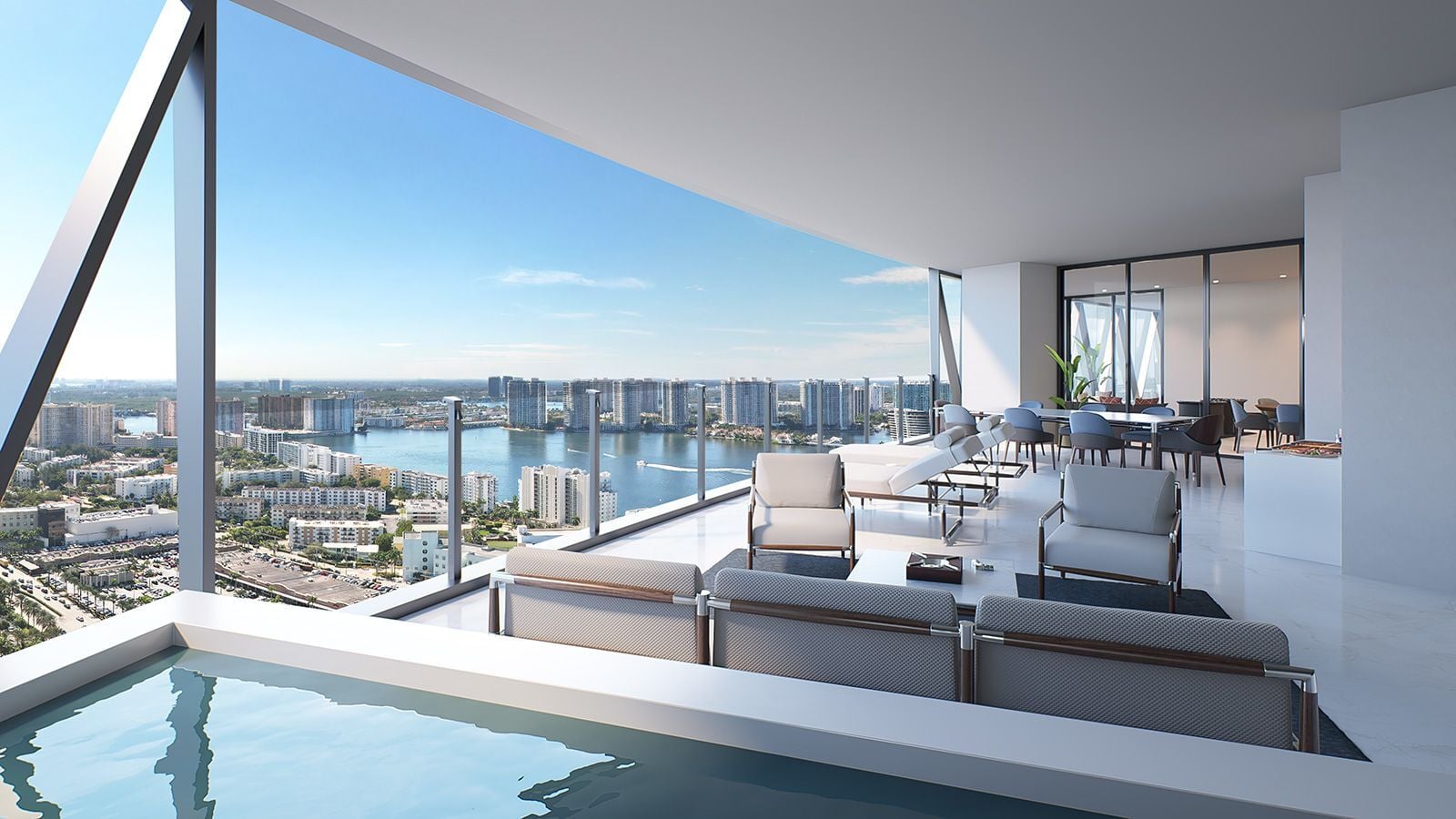
A huge portion of Miami pre-construction buyers are foreign nationals. Canadians. Europeans. Latin Americans. So if that’s you… here’s what you need to know.
1) Currency exposure across a multi-year deposit schedule
Let’s say you’re Canadian. You sign a contract in 2026 for a $4M USD unit. At the time, the exchange rate is $1.35 CAD/USD. So that $4M costs you $5.4M CAD.
But, you’re paying in INSTALLMENTS over 30 months. And currency fluctuates. By the time you close in 2028… the rate might be $1.45 CAD/USD. Now that same $4M costs you $5.8M CAD. You just got hit with a $400K CAD currency loss. Ouch. How do you protect yourself?
- Forward contracts—Lock in your exchange rate TODAY for future payments.
- FX hedging strategies—Work with a currency specialist to minimize exposure.
It’s not sexy. But it can save you hundreds of thousands.
2) FIRPTA
FIRPTA = Foreign Investment in Real Property Tax Act. Here’s what you need to know:
- FIRPTA applies when you SELL, not when you buy.
- If you’re a foreign national and you sell U.S. real estate, the IRS will withhold 15% of the gross sales price.
You can get some of this back when you file your tax return… but it’s a pain. Example: You sell your Miami condo for $5M. The IRS withholds $750K. Even if your actual capital gain is only $500K. You’ll get the difference back eventually, but in the meantime, $750K is locked up.
3) ITIN for non-resident buyers
At some point you’ll probably need an ITIN (Individual Taxpayer Identification Number)—basically a Social Security number for non-residents. But not to buy. Owning U.S. property doesn’t require one on its own. You need it when you have to file a U.S. return: renting the unit out, or selling it and applying to reduce the FIRPTA withholding. Your closing agent or accountant can help you apply.
4) Buying through an LLC, corporation, or trust
A lot of foreign buyers choose to buy through an entity (LLC, offshore corp, trust). Why?
- A layer of privacy—your personal name is off the deed. Be realistic about how thin that layer is: the deed still names the entity, and Florida’s Sunbiz registry lists its managers and authorized members. It slows down a curious neighbor, not a determined one.
- Estate planning—Easier to pass down to heirs.
- Liability protection—In case someone sues you.
But, some lenders won’t finance properties held in LLCs. You might face higher closing costs. You’ll need a good international tax attorney to structure it correctly.
5) Wire compliance
When you’re wiring $500K+ from a foreign bank… U.S. banks get NERVOUS. They have to comply with:
- OFAC (Office of Foreign Assets Control)—Making sure you’re not on a sanctions list.
- Beneficial-ownership reporting—this one is genuinely in flux. FinCEN’s Geographic Targeting Orders for Miami expired at the end of February 2026. The nationwide rule meant to replace them was vacated by a federal court in March 2026, and FinCEN currently says no reports are required while that order stands. The government is appealing. Assume it comes back, and ask your closing agent what applies on your closing date.
- Source of funds documentation—You’ll need to prove where the money came from.
Expect to provide:
- Bank statements
- Tax returns
- Proof of income or sale of assets
- A letter from your bank
It’s annoying. But it’s standard.
6) Foreign-national financing
Can you get a mortgage as a foreigner? Yes. But expect to put down 30% to 40%. Interest rates will be higher than for U.S. citizens. Not all lenders work with foreign nationals. Your best bet: Work with a mortgage broker who specializes in foreign-national loans in South Florida. They’ll know which banks are friendly.
Financing Pre-Construction (It’s Not Like a Resale Mortgage)
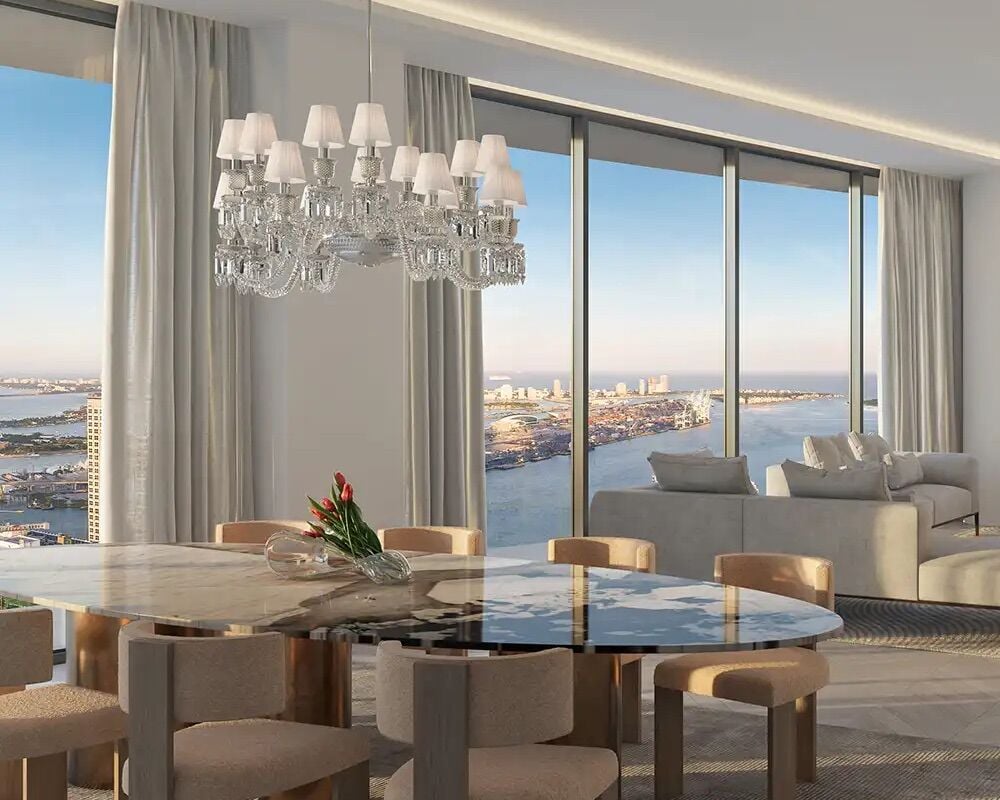
Let’s talk about FINANCING. Because a lot of first-time pre-construction buyers assume they can just lock in a mortgage rate today. And close in 2028 with that same rate. Nope. Doesn’t work that way. You CANNOT lock a rate today for a 2028 closing. Mortgage rate locks are typically good for 30 to 60 days. Some lenders offer 90-day locks. But that’s it. So if you’re buying a pre-construction unit that won’t deliver for 30 months, you have NO IDEA what rates will be when you close. They could be 5%. They could be 8%. They could even be 3% if the economy crashes. Point is: You’re taking on interest rate risk.
Pre-approval letters expire
Most buyers get a pre-approval letter when they sign the contract. Just to show the developer they’re financially qualified. But that pre-approval expires after 90 to 120 days. So 45 to 60 days before the building gets TCO, you need to go back to your lender… and get re-qualified. At whatever rates exist then. What if your financial situation changed? What if you lost your job? What if your credit score dropped? What if interest rates went UP and you no longer qualify for the loan you thought you’d get? Tough luck. You’re still obligated to close. And if you can’t get financing… you’ll need to bring the FULL purchase price in cash. Or lose your deposits.
Typical LTV on pre-construction: 60% to 75%
Most lenders will not give you a 90% LTV loan on a pre-construction unit. Why? Because the building hasn’t been delivered yet. There’s no appraisal history. No comparable sales in the building. So lenders are more conservative. You’ll typically get:
- 60% to 70% LTV for foreign nationals
- 70% to 75% LTV for U.S. citizens
Which means you need to bring more cash to closing than you would on a resale unit.
Lender condo approval—Fannie Mae / Freddie Mac “warrantable”
If you want a conventional mortgage (backed by Fannie Mae or Freddie Mac), the BUILDING has to be “warrantable.” That means:
- For a new project, at least 50% of units under contract to buyers who’ll live there or use it as a second home
- No single entity owns more than 20% of the units (the limit tightens to 2 units in projects of 20 units or fewer)
- The HOA is adequately funded
- No litigation that goes to the safety, structural soundness, habitability, or functional use of the building. Ordinary disputes don’t disqualify a project—neighbor squabbles, non-monetary claims, and matters the insurer is defending are generally fine
If the building doesn’t meet these criteria… it’s considered “non-warrantable.” And you’ll need a portfolio loan or private lender. (Which means higher rates and fees.)
Reserve and DTI requirements during build-out
Some lenders require you to have cash reserves equal to 6 to 12 months of mortgage payments… just sitting in the bank. Even though you’re not making payments yet. Why? Because they want to make sure you can actually AFFORD this thing when it’s done. They’ll also calculate your debt-to-income ratio (DTI). If you’re carrying a lot of other debt, you might not qualify for as large a loan as you thought.
Bottom line: Don’t assume you’ll be able to get financing when the building delivers. Talk to a lender EARLY. Understand what you’ll need to qualify. And have a backup plan. (Like… being able to pay cash if rates spike.)
How to Vet a Developer (Due-Diligence Checklist)
This might be the most important section of this entire guide. Because if you buy from a bad developer… NOTHING else matters. You could have the best unit. The best price. The best floor. But if the developer cancels the project—or delivers a building that’s a structural nightmare—you’re screwed. So here’s your due-diligence checklist:
1) Track record
How many projects has this developer completed IN MIAMI? Not just “started.” Not just “planned.” COMPLETED. What was the average delivery overrun on those projects? (Anything under 6 months is good. Anything over 12 months is a red flag.) What’s the value-at-delivery vs contract price on their past projects? Did buyers make money? Or did they overpay?
2) Financial backing
Who’s funding this project? Is there a construction lender in place? (If yes, that’s a good sign. Banks don’t lend to sketchy developers.) Who are the equity partners? What’s the pre-sales threshold before construction can start? (If they need 70% sold and they’re only at 40%… that’s risky.)
3) Litigation history
Go to the Miami-Dade Clerk of Courts website. Search the developer’s name. See if they’ve been sued. A few lawsuits? Normal. (Construction is litigious.) A DOZEN lawsuits? Red flag.
4) Architect, general contractor, and brand operator credentials
- Who designed the building?
- Are they known for high-quality work?
- Who’s the general contractor?
- Have they built supertall towers before?
- If it’s a branded residence (e.g., Waldorf, Cipriani)… is the brand operator actually involved? Or is it just licensing the name?
5) Sales velocity vs total units
How many units have sold? How fast are they moving? If a project has been on the market for 12+ months and is only 30% sold, that’s a problem. It means either: The market doesn’t want it, OR the developer is having trouble hitting their sales threshold. Either way, you don’t want to be stuck in that project.
6) The Prospectus—what to read first
The Prospectus is long. But here’s what to focus on:
- Page 1: Developer identity and contact info
- Section 2: Purchase price, deposit schedule, closing costs
- Section 4: Estimated HOA fees (and what’s included)
- Section 7: Developer’s right to cancel
- Section 9: Construction timeline and delivery date
- Section 12: Warranties and guarantees
- Exhibits: Financial statements, site plans, unit layouts
If ANYTHING looks weird, ask your agent. Or your lawyer. Don’t just sign.
7) Construction defect history
Have any of the developer’s past projects had major construction defects?
- Structural issues?
- Water intrusion?
- Façade problems?
You can sometimes find this info through public records or news articles. Or just ask around. Miami’s a small town. People talk.
8) DBPR licensing status
Go to the Florida Department of Business and Professional Regulation (DBPR) website. Look up the developer and the sales team. Make sure they’re licensed. Make sure there are no disciplinary actions against them. If they’re unlicensed or have a history of complaints… run.
The Pre-Construction Launches to Watch in Miami (2026)
Alright. Let’s talk about the actual projects you should be paying attention to right now. These are the launches that are active or coming soon. Some are still selling. Some are almost sold out. But if you’re serious about pre-construction, these are the ones worth knowing about.
| Neighborhood | Pre-Con Avg $/SF | Resale Comp $/SF | Premium |
|---|---|---|---|
| Brickell | $1,800–$3,400 | $1,100–$1,800 | 60–90% |
| Edgewater | $1,400–$2,400 | $900–$1,400 | 55–70% |
| Downtown | $1,300–$2,100 | $800–$1,200 | 60–75% |
| South Beach | $2,200–$4,500 | $1,400–$2,400 | 55–85% |
| Bal Harbour / Surfside | $3,000–$5,500 | $1,800–$2,800 | 65–95% |
| Sunny Isles | $1,800–$3,200 | $1,200–$1,900 | 50–70% |
| Coconut Grove | $1,500–$2,800 | $1,000–$1,600 | 50–75% |
| Wynwood / Edgewater fringe | $1,200–$2,000 | $850–$1,200 | 40–65% |
| Fisher Island | $5,500–$9,000+ | $3,500–$6,000 | 50–60% |
BRICKELL PRE-CONSTRUCTION CONDOS
Cipriani Residences Brickell

1420 S. Miami Avenue
- 80 stories, 397 residences
- Currently under construction, projected completion 2028
- 1 to 4 bedrooms
- Starting around $2M+
- Developer: Mast Capital
This is one of the TALLEST residential buildings in Miami. And it’s got the Cipriani name behind it. (Which means the restaurant and service level are gonna be top-tier.) It’s actively rising. So if you’re looking for something that’s not just renderings, this one’s real.
The St. Regis Residences Brickell
1809 Brickell Avenue
- 50 stories, bayfront, 152 residences
- Actively selling
- Delivery: the developer hasn’t published a date—recent listings point to 2029. Confirm with the sales office.
- Pricing: confirm current numbers directly; listing data puts the entry point well above $5M
- Developer: The Related Group + Integra Investments
This is ULTRA-luxury. We’re talking full-floor penthouses, boat slips, and a private yacht club. If you’ve got $5M+ to spend, and you want a bayfront Brickell address… this is it.
619 Brickell (Nobu Residences)
619 Brickell Avenue
- 75 stories, 296 residences, designed by Foster + Partners
- Public sales launched June 2026
- Closings expected to begin 2031
- Starting around $1.5M+
- Developer: 13th Floor Investments + Key International, with Nobu Hospitality
This one’s BRAND NEW to the market. Sales launched in Q2 2026 against roughly $1B in reservations. If you want the Nobu brand—and you’re okay waiting until the end of the decade—this could be a good entry point.
SIRO Brickell
9 SE 6th Street
- Wellness-focused: 350 branded residences plus 180 hotel rooms
- Sales have not officially opened yet
- Targeted to open 2030
- Developer: 13th Floor Investments + Forse Holdings, with SIRO (part of Kerzner International)
This is the first SIRO-branded residence in the U.S. It’s a “wellness + fitness” concept. Think: Equinox Residences meets a luxury hotel. No official pricing or sales date yet… but if you’re into that lifestyle… keep this on your radar.
Baccarat Residences Brickell

444 Brickell Avenue
- 75 stories, 324 residences
- Nearly sold out
- Under construction
- Starting over $4M+
- Developer: The Related Group
This one’s almost gone. But if you can find a unit, it’s one of the most prestigious addresses in Brickell. Baccarat crystal chandeliers in the lobby, baby.
DOWNTOWN
The Waldorf Astoria Hotel and Residences
300 Biscayne Boulevard
- 360 luxury residences (plus 205 hotel rooms)
- Heavily sold out
- Expected completion 2028—this one has slipped more than once
- Units starting $2M+
- Developer: Property Markets Group + Hilton
This is one of the most anticipated projects in Downtown. Dual-branded (Waldorf hotel + residences). Almost everything’s gone, but if you can snag a unit, it’s a strong hold.
EDGEWATER
Villa Miami
710 NE 29th Street
- 55 stories, waterfront, 70 half- and full-floor residences
- Over 70% sold
- Under construction, delivery late 2027
- Starting around $4.5M
- Developer: Terra, with Major Food Group
This is a sleek, modern tower with WATER VIEWS, and every home is a half or full floor. Edgewater is hot right now, and Terra’s a reputable developer. Just don’t mistake “Edgewater” for “cheaper”—this is one of the priciest buildings in the neighborhood.
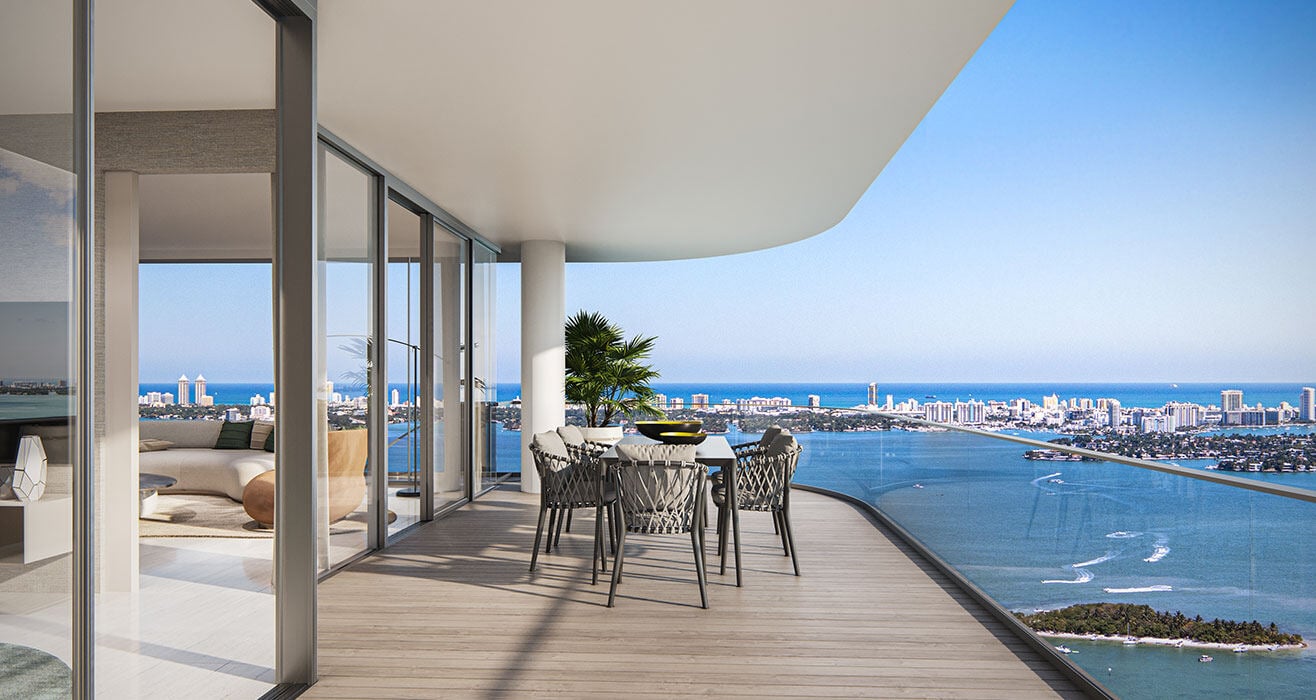
Aria Reserve Skyclub
Planned third tower in the Aria Reserve development
- 49 stories, 430 residences + office + retail
- Proposed/planned stage
- Sales have NOT launched
- Developer: Melo Group
Melo Group’s been crushing it in Edgewater. This would be their third tower on the site. No official sales date… but worth watching.
EDITION Residences Edgewater
2121 N. Bayshore Drive
- 55 stories, 185 units (VERY exclusive)
- Active pre-construction sales
- Expected delivery Q1 2027
- Starting around $1.95M, penthouses up to $35M
- Developer: Two Roads Development, with EDITION / Marriott
This is the first EDITION-branded residence in Miami. If you know the brand, you know the design is gonna be NEXT LEVEL. Super limited inventory. So if you’re interested, move fast.
SUNNY ISLES
Rivage Bal Harbour
10245 Collins Avenue, Bal Harbour
- 24 stories, 61 sky villas
- Final pre-completion selling phase
- Slated for completion 2027
- Ultra-luxury, boutique—pricing runs from about $8M to $64M
- Developer: Related Group + Rockpoint + Two Roads Development
This is a small, ultra-exclusive project—most floors hold only two or three homes. Very limited inventory, and priced accordingly: this is Bal Harbour at full Bal Harbour money, not a discount on it.
Bentley Residences

18401 Collins Avenue
- 62 stories, beachfront, 216 residences
- Under construction, delivery 2027–2028 (Bentley’s own materials give both)
- Active sales
- Residences from about $5.8M; the sky penthouse is listed at $37.5M
- Developer: Dezer Development
This is the first Bentley-branded residential tower in the world. And it’s WILD. Each unit has a private garage… where you can drive your car up via elevator. And park it next to your living room. If you’re a car guy (or gal), this is your dream building.
SOUTH BEACH / MID-BEACH
The Shore Club Private Collection
1901 Collins Avenue, South Beach
- Over 85% sold
- Under construction, delivery 2027
- 49 residences across three buildings, with Auberge Resorts operating
- Starting around $6M
- Developer: Witkoff Group + Monroe Capital
This is a redevelopment of the iconic Shore Club. It’s being reimagined as ultra-luxury residences. VERY limited availability. But if you can get in, it’s a legacy South Beach address.
The Raleigh (Rosewood Residences)
1775 Collins Avenue, South Beach
- Active, relaunched sales phase
- New ownership, new sales strategy
- Compass is the exclusive brokerage
- Developer: Nahla Capital, which bought the site in late 2025 after Shvo’s exit
The Raleigh is an art deco icon. It’s been through some ownership changes but the new team seems serious about getting it done. Still in active sales. So if you want a piece of South Beach history… this is it.
NORTH BAY VILLAGE
The Ritz-Carlton Residences

North Bay Village (exact address TBD)
- Two 43-story towers, 364 residences
- Pre-launch phase
- Sales NOT yet open
- Developer: The Related Group + Macklowe Properties
North Bay Village is an underrated location. It’s between Miami Beach and the mainland. Views of the bay and the skyline. And The Related Group + Ritz-Carlton is a STRONG combo. No pricing or sales date yet… but this one’s gonna move fast once it launches.
FISHER ISLAND
The Residences at Six Fisher Island
Fisher Island (private island, ferry/boat access only)
- 50 residences across 10 stories
- Under construction, actively selling
- Invitation-only sales
- Reported pricing starts around $15M, with penthouses well past $60M
- Developer: Related Group, with BH Group, Teddy Sagi and Wanxiang America
This is the FINAL new-construction project on Fisher Island. If you don’t know Fisher Island, it’s the most exclusive residential zip code in the U.S. Average income: $2M+ per household. You can’t drive there. Ferry or boat only. And this is the LAST chance to buy new construction. So if you’ve got $20M burning a hole in your pocket… this is where you put it.
Red Flags and Cancelled-Project Lessons
Now let’s talk about the dark side of pre-construction. The projects that DIDN’T happen. Because if you know what went wrong, you can avoid making the same mistakes.
Red Flag #1: Sales-threshold contingencies in the contract
Most contracts have language that says: “Developer may cancel this project if pre-sales do not reach 50% [or 70%] by [date].” This is called a sales-threshold contingency. And it’s LEGAL. If the developer can’t sell enough units, they can pull the plug. Return your deposits. And walk away.
What to do:
- Ask your agent or lawyer: “What’s the sales threshold?”
- Ask: “How many units are sold right now?”
If they’re at 30%… and they need 70%… that’s risky.
Red Flag #2: “Estimated” delivery dates with no outside date
A lot of contracts say: “Estimated delivery: Q4 2027.” But they don’t specify an outside date.
Meaning… the developer can delay INDEFINITELY. And you have no recourse. What to do: Look for contracts that specify an outside date. (Example: “Delivery no later than December 31, 2028.”). If there’s no outside date… know that you’re signing up for uncertainty.
Red Flag #3: Vague “developer reserves the right” language
If you see this: “Developer reserves the right to substitute materials, finishes, layouts, and amenities with items of equal or greater value.” That’s code for: “We’re going to change stuff. And you can’t do anything about it.” What to do:
- Ask the sales team: “How often do you make substitutions?”
- Look at the developer’s past projects. Did they deliver what they promised?
Red Flag #4: Escrow agent affiliated with developer
The whole point of escrow… is that it’s a NEUTRAL third party. But sometimes the escrow agent is a law firm or title company that’s closely affiliated with the developer. Which creates a conflict of interest. What to do:
- Ask: “Who’s the escrow agent?”
- Google them. See if they’re independent or tied to the developer.
Red Flag #5: First-time Miami developer with no track record
Just because a developer is successful in New York or L.A. doesn’t mean they can build in Miami. Miami is different. Permitting is different. Labor is different. The market is different. So if the developer has ZERO Miami experience… that’s a risk. What to do:
- Ask: “What projects have you completed in South Florida?”
- If the answer is “This is our first”… proceed with caution.
Red Flag #6: Marketing run by a celebrity instead of an experienced sales firm
Some developers think: “If we get a celebrity to promote this… it’ll sell!” And sometimes that works. But often it’s a sign that the project is weak. And they’re trying to compensate with hype.
What to do:
- Focus on the FUNDAMENTALS (location, developer, pricing, design).
- Don’t buy just because a famous person is attached.
Case Study: Cancelled Miami Projects
Let’s look at a few real examples:
Empire World Towers (Cancelled)
- Proposed in the early 2000s as twin towers of 1,022 feet and 93 stories—originally floated at 1,200 feet and 106 stories.
- Would’ve been the tallest building in the city.
- Sold a bunch of pre-construction units.
- Never broke ground.
- Deposits refunded… but people waited YEARS.
What went wrong:
- Developer couldn’t secure financing.
- 2008 recession hit.
- Project quietly died.
SkyRise Miami (Cancelled)
- Proposed as a 1,049-foot observation and entertainment tower beside Bayside Marketplace. Not a condo—no residential units, and no buyer deposits.
- Won a Miami voter referendum in 2014 and had its approvals.
- Never built. Cancelled by developer Jeff Berkowitz in June 2021.
What went wrong:
- Financing never came together for the $430M project.
- Litigation—including a fight over a proposed $9M county subsidy—stalled it for years. Berkowitz dropped the public-funding request in 2016.
- The pandemic finished it off. Berkowitz pulled the plug in 2021 and said he wouldn’t draw on his investors’ commitments.
Lessons:
- Even famous projects can fail.
- Deposits are refundable… but that doesn’t make up for lost time and opportunity cost.
- Always vet the developer’s ability to EXECUTE.
Pre-Construction vs Resale in Miami
Let’s do a side-by-side. Because one of the most common questions we get is: “Should I buy pre-construction… or just buy resale?” Here’s how they stack up:
| Factor | Pre-Construction | Resale |
|---|---|---|
| Price entry | 5–20% below at-delivery comps | At-market |
| Capital deployment | Spread over 24–36 months | All at closing |
| Customization | Finishes, layouts (early phase) | None |
| Move-in | 24–36+ months out | 30–60 days |
| Inspection rights | Punch list before closing | Full inspection contingency |
| Financing certainty | Rate locked 45–60 days before TCO | Rate locked at contract |
| Warranty | 3-year statutory builder warranty | None statutory |
| Inventory | New units, branded options | Established buildings |
| HOA fees | Estimated, often revised up Year 1 | Known and reserved |
| Liquidity | Restricted until closing | Immediate |
When pre-construction makes sense:
- You’re bullish on the Miami market long-term
- You want a brand-new unit with the latest amenities
- You want to lock in today’s price and benefit from appreciation
- You have time to wait 2–3 years
- You want customization options
When resale makes sense:
- You need to move in SOON
- You want certainty (price, fees, location)
- You want to avoid developer risk
- You want a proven building with an established track record
Deposit-Only Hold vs Cashing Out at TCO
Another common strategy question: “Should I just hold the unit with deposits… and then decide at TCO whether to close or assign?” Here’s the breakdown:
Deposit-Only Hold Strategy:
You put down 50% over 30 months. When TCO hits… you evaluate: Has the market gone up? (If yes, close or assign.) Has the market gone down? (If yes… walk away and lose deposits.)
Pros:
- You’re only risking 50% of the purchase price
- You have optionality at TCO
Cons:
- If you walk away, you lose ALL your deposits (hundreds of thousands of dollars)
- You’re essentially betting that the market will move in your favor
- You still have to go through the entire deposit schedule
Cashing Out at TCO:
- You hold through to closing
- You take ownership
- Then you decide: hold as a rental, sell on resale market, or live in it
Pros:
- You own the asset
- You benefit from appreciation over time
- You don’t lose deposits
Cons:
- You need to bring the full 50% at closing (plus closing costs)
- You’re taking on financing risk (rates could be higher)
- You’re fully exposed to market downturns
Our take:
If you’re buying pre-construction… plan to CLOSE. Don’t go in thinking you’ll just “see how it goes.” Because if the market turns… and you walk away… you lose everything you put in.
Reserving Early vs Waiting for Floor Selection
Another tactical decision: “Should I reserve EARLY to get first pick of units? Or should I wait until later in the sales cycle when I have more info?”
Reserving Early:
Pros:
- Best unit selection (floor, view, layout)
- Lowest prices (developers often raise prices as sales progress)
- Access to “VIP” buyer perks (parking, storage, upgrades)
Cons:
- Highest risk (you’re buying when the project is least proven)
- Less info available (renderings might change, specs might shift)
- You’re locking in capital early
Waiting for Floor Selection:
Pros:
- More certainty (you can see which units are already sold, which are left)
- Construction might have already started (so you know it’s real)
- You can negotiate better if sales are slow
Cons:
- Best units might be gone
- Prices might be higher
- Fewer customization options
Our take:
If you know the developer is solid… and you LOVE the project… reserve early and lock in your preferred unit at the lowest price. But if you’re uncertain about the developer or the project… wait a bit. See how sales go. See if they actually break ground. Then jump in once you have more confidence.
Assignment vs Holding Through to Closing
We touched on this earlier… but let’s do a direct comparison.
Assignment (Selling Your Contract Before Closing):
Pros:
- You can lock in a profit WITHOUT having to close
- You free up capital sooner
- You avoid closing costs and financing
Cons:
- You need developer approval (not guaranteed)
- You’ll pay a 1–3% assignment fee
- You’ll owe capital gains tax on the profit
- Many contracts now limit you to ONE assignment
Holding Through to Closing:
Pros:
- You own the asset
- You benefit from long-term appreciation
- You can rent it out for income
- You can take advantage of real estate tax benefits (depreciation, etc.)
Cons:
- You need to bring the full purchase price (or get financing)
- You’re exposed to market downturns
- You’re locked in for the long haul
Our take:
Assignment is NO LONGER the easy flip strategy it was 5+ years ago. Developers have tightened the rules. Fees are higher. Limits are stricter. So unless you’re in a top-tier project… and the market moves SIGNIFICANTLY in your favor… assignment is risky. Plan to close. And hold for at least a few years.
Pre-Construction Glossary
Let’s define all the terms you’ve seen in this process. Because real estate loves jargon.
TCO (Temporary Certificate of Occupancy)
- Issued by the city once the building is substantially complete and safe to occupy.
- Developer can start calling closings once TCO is issued.
- Some finishes might still be in progress (common areas, landscaping, etc.).
CO (Certificate of Occupancy)
- The city’s unconditional sign-off that the building is complete and safe to occupy.
- Not a guarantee your punch list is closed out—that’s between you and the developer under the contract.
- Usually issued a few months after TCO.
Reservation Deposit
Non-binding, refundable deposit (usually $50K–$100K) to hold a unit while the contract is prepared.
Hard Deposit
- The first deposit you make after signing the contract.
- Non-refundable after the 15-day rescission window.
- Typically 10% of the purchase price.
Assignment
- Selling your purchase contract to another buyer before closing.
- Requires developer approval.
- Subject to assignment fees (1–3% of contract price).
FIRPTA (Foreign Investment in Real Property Tax Act)
- Requires the IRS to withhold 15% of the gross sales price when a foreign national sells U.S. real estate.
- Applies at SALE, not purchase.
FAR (Floor Area Ratio)
- A zoning metric that determines how much building square footage is allowed on a given lot.
- Higher FAR = taller buildings.
Deeded vs Assigned Parking
- Deeded parking = you own the parking spot outright (it’s on your deed).
- Assigned parking = you have a designated spot, but it’s not owned; it’s assigned by the HOA.
Punch List
- A list of minor issues or unfinished items identified during your pre-closing walk-through.
- Developer agrees to fix these before or shortly after closing.
Chapter 718
Florida’s Condominium Act. Governs all condo sales, construction, and HOA operations in the state.
Builder Warranty (§718.203)
Statutory warranty provided by law:
- 3 years on the unit, and on roof, structure and building systems—extendable to 1 year past owner control of the association, capped at 5 years
- 1 year on other property conveyed with the unit
Escrow Agent
Third-party entity (usually a title company) that holds your deposits. Your first 10% stays put until closing; anything above 10% can be released to the developer once construction starts, if the contract allows it, and only for construction costs.
Intangible Tax
- Florida tax on mortgages.
- $0.002 per $1 of mortgage.
- Example: $2M mortgage = $4,000 intangible tax.
Doc Stamps
Florida tax on real estate transactions.
- $0.60 per $100 on the deed (Miami-Dade County).
- $0.35 per $100 on the mortgage note.
Right of Public Offering Statement (Prospectus)
- A detailed disclosure document the developer MUST provide to buyers.
- Includes project details, budgets, timelines, developer info, and more.
Frequently Asked Questions
What is a pre-construction condo?
A pre-construction condo is a unit you purchase BEFORE the building is completed. You sign a contract, make deposits over time, and close once the building receives its Temporary Certificate of Occupancy (TCO)—usually 24 to 36 months after signing.
How much deposit do I need to buy a pre-construction condo in Miami?
Most Miami pre-construction deals require 50% of the purchase price in deposits, spread across 5 milestones over 24–36 months. The first deposit is typically 10%, paid at contract signing. The remaining 50% is due at closing.
Can I sell my pre-construction contract before closing?
Yes, through a process called assignment. However, you’ll need developer approval (which isn’t guaranteed), and you’ll typically pay a 1–3% assignment fee. Many contracts now limit you to ONE assignment per buyer. Assignment profits are subject to capital gains tax.
What happens if the developer cancels the project?
If the developer cancels, your deposits are refunded per Florida Statute §718.202 (assuming they were held in escrow). However, you do not receive compensation for opportunity cost or lost appreciation. This is why vetting the developer is critical.
What is the typical Miami pre-construction timeline?
The typical timeline is 24 to 36 months from contract signing to closing. However, delays are common—the average overrun for Miami projects between 2018–2024 was 6 to 14 months.
Miami pre-construction condos for foreigners: What do you need to know?
There are no restrictions on foreign ownership of U.S. real estate. However, foreign buyers should be aware of currency risk and FIRPTA (a 15% withholding at resale, not at purchase). You’ll need an ITIN (Individual Taxpayer Identification Number) once you have to file a U.S. return—typically when you rent the unit out or sell it—rather than to buy. Financing typically requires 30–40% down.
Is pre-construction a good investment in 2026?
In Miami new construction condos are one of the BEST ways to build wealth. But whether it’s right for YOU, depends on your timeline, risk tolerance, and market outlook. Pre-construction offers price-lock leverage in an appreciating market and access to new, branded properties. However, it also carries risks: developer cancellation, delivery delays, appraisal gaps, and liquidity lockup. It’s best suited for buyers who can afford to wait 2–3 years and close with confidence.
What is the typical deposit schedule for a Miami pre-construction condo?
The standard schedule is 10/10/10/10/10/50:
- 10% at contract
- 10% at groundbreaking
- 10% at structural top-off
- 10% at façade completion
- 10% pre-delivery (~60 days before TCO)
- 50% at closing
Not all projects follow this structure, so confirm the schedule with your sales agent.
Can I finance a pre-construction condo?
Yes, but you cannot lock in a mortgage rate today for a closing that’s 2–3 years away. Rates are typically locked 45–60 days before closing. Most lenders offer 60–75% LTV on pre-construction (lower than resale). You’ll need to requalify closer to the closing date.
What’s the difference between TCO and CO?
TCO (Temporary Certificate of Occupancy) = The building is substantially complete and safe to occupy. Closings can begin.
CO (Certificate of Occupancy) = The building is 100% finished, including all common areas and landscaping. Usually issued a few months after TCO.
Most buyers close at TCO, not CO.
Are my deposits protected if the developer goes bankrupt?
If your deposits are held in escrow per Florida §718.202, they are protected as long as they haven’t been released to the developer yet. Once milestone-based releases occur and funds are transferred to the developer, you become an unsecured creditor—meaning you’re at the back of the line if the developer declares bankruptcy.
Do I need a real estate agent to buy pre-construction?
Technically, no. But it’s HIGHLY recommended. Here’s why:
- The developer pays the agent’s commission (typically 3–6%), so it costs you nothing.
- A good agent will help you vet the developer, negotiate terms, and navigate the contract.
- They can also help you compare multiple projects and find the best fit for your goals.
So yes—work with an agent. Especially one who specializes in pre-construction.

Related Stories
New Construction Condos in Miami: 2026 Buyer’s Guide

The Branded Residences of Miami: A Complete Buyer’s Guide

Da Beauty Bar, Atenaa Beauty Concept, and the Art of Getting It Just Right