The Miami Fat Transfer Guide Nobody Asked For (But Everybody Actually Needs)

Lose 15 pounds on Ozempic and your jeans fit perfectly—but your face suddenly looks gaunt, hollow under the eyes, like you haven’t slept since 2019. Or maybe you’ve done everything right: Pilates four times a week, daily SPF, eight glasses of water. And your reflection still looks tired. So you Google “fillers Miami” at 11 p.m. and land on before-and-afters that look like someone inflated a pool float. Hard pass. There’s a better option most people don’t know exists: facial fat transfer. It’s not too much, not too fake, just right. And if you’re in Miami, where everyone’s either already had work done or Googling surgeons between SoulCycle classes, you’re in the right place to get it done well.
What Is Facial Fat Transfer, Really?
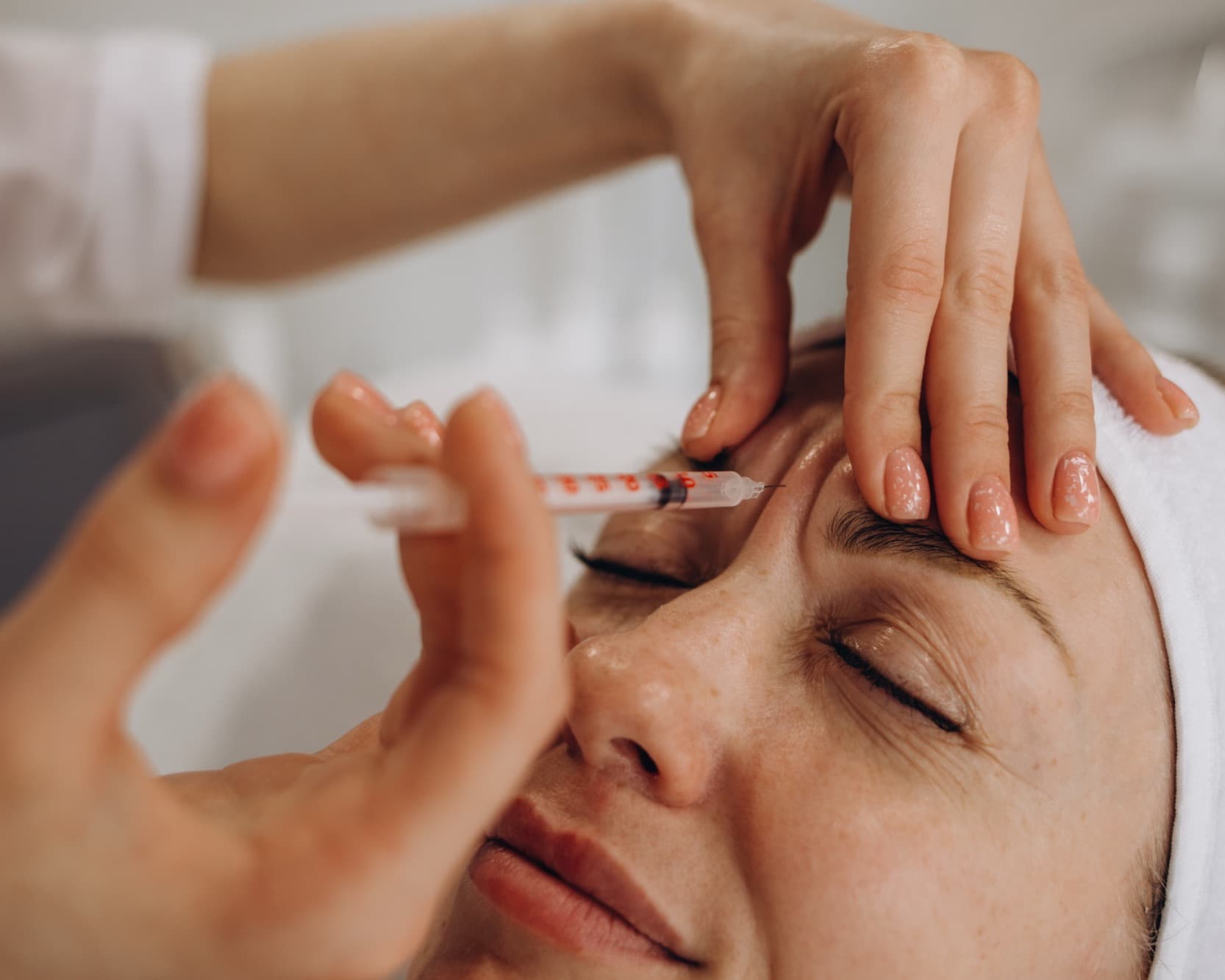
Facial fat transfer—also called fat grafting—is when a surgeon takes fat from one part of your body (usually the stomach, thighs, or hips), purifies it, and injects it into your face to restore volume, smooth wrinkles, and generally make you look like you got eight hours of sleep. Think of it as internal contouring, but permanent.
Because the fat comes from you, your body doesn’t reject it: no allergic reactions, no synthetic material migrating somewhere it shouldn’t. And because fat contains stem cells, it doesn’t just add volume, it improves skin quality over time. People who get it done don’t just look fuller. They look healthier, like they just got back from a month in the Mediterranean, even if they’ve actually been stress-eating popcorn on the couch.
Why Top Surgeons Are Steering Patients Away From Filler
Filler has its place: a quick lunch-break injectable, a little lip plump before a wedding. But it’s also become a problem. Dr. Benjamin Eskenazi at Avabello Aesthetics sees it constantly: “In the last 2-3 years, I’ve dealt with hundreds of patients who’ve had migration, nodules, swelling, and other issues from filler. Bad filler walks into my clinic every day.”
Many clinics won’t touch these correction cases because of liability. Eskenazi does, because, in his words, “nobody’s better qualified than I am to do this work.”
The core issue: hyaluronic acid filler isn’t just hyaluronic acid. Other components in the manufacturing process can cause migration, lumps, and that puffy, water-retention look. And the more filler you get, the more you tend to need—it’s a cycle.
Fat transfer breaks that cycle. Once the fat establishes its own blood supply, which happens over a few months, it’s yours permanently. No six-month top-ups, no dissolving and starting over. Eskenazi still considers your own fat the gold standard, even with donor-fat products now on the market: “Fat transfer to the face is huge in my clinic right now. People aren’t coming in asking for it yet because it isn’t ‘trending,’ but I’m steering my patients towards it because I know it’s what they need. It has excellent safety data and incredible long-term results with a way lower side effect profile than hyaluronic acid fillers. It doesn’t get enough airtime, but trust me, this is absolutely the future.”
Your body recognizes its own fat. It accepts it, integrates it—no rejection risk, no foreign substances.
The Ozempic Effect: Why Volume Restoration Is Suddenly Everywhere
Ozempic. Wegovy. Mounjaro. Whatever your doctor prescribed after you mentioned wanting to lose a few pounds, it works. But there’s a side effect nobody warned you about: your face. Suddenly you’ve got cheekbones you didn’t know you had, along with hollow under-eyes, sunken temples, and a gauntness that makes people ask if you’re feeling okay.
Eskenazi has watched this trend explode: “GLP-1s have really changed the game. Many patients are coming into my practice distressed from the amount of volume loss in their face that they weren’t expecting as a secondary side effect. So the aesthetic my patients are asking for right now isn’t removing fat, it’s really restoration and redistribution, with a particular focus on facial volume.”
Here’s the upside: even after GLP-1 weight loss, most people still have stubborn fat deposits somewhere—lower belly, love handles, inner thighs. Those become the donor sites. So while your face is looking gaunt, your body usually still has plenty of raw material to work with.
What About AlloClae? (The Donor Fat You’ve Probably Never Heard Of)
Before getting to the surgeons, one detour: AlloClae, a human adipose injectable processed from screened donors. In plain terms, someone else’s fat, purified and sterilized into an off-the-shelf product.
It exists because not everyone has enough body fat to harvest, and some people don’t want liposuction at all, even a gentle version. AlloClae skips the harvesting step entirely.
Eskenazi has strong opinions about it: “Let’s talk a little bit about AlloClae and the rise of zombie fat. AlloClae is a new product that’s been on the market for several months now, and what it is essentially is fat and fat scaffolding that’s harvested from dead people. Typically, people who pass away are, for obvious reasons, not the youngest and not the most healthy. So I have a lot of questions about the quality of the fat.”
He continues: “What we’re seeing now is people offering this as fat grafting to the face, as rejuvenation of the breasts, or a non-surgical breast augmentation, or even the zombie BBL. If I were you, I would opt to have my own fat transferred into these areas and not put a dead person’s fat into your body.”
Here’s the part that doesn’t make it into the marketing: AlloClae is not FDA-approved. It’s regulated as a human tissue product under Section 361, a pathway that lets it skip the approval process entirely—no premarket review of safety or efficacy, the way a drug or device would face. It launched in 2025 without a single pivotal human trial behind it, and as of today there’s no published human data supporting its safety or efficacy.
Some surgeons use it anyway. But one of Miami’s top facial plastic surgeons would rather use your own fat, from your own body, and that tracks.
The Five Miami Surgeons Worth Your Time
If you’re doing this, go to someone who’s actually good at it, not a med spa that learned fat transfer at a weekend seminar, and not an Instagram injector who’s great at Facetune but questionable in the OR. You need a board-certified plastic surgeon (or oculofacial specialist) who’s performed this procedure hundreds of times. Here are five Miami surgeons who are legitimately at the top of their game.
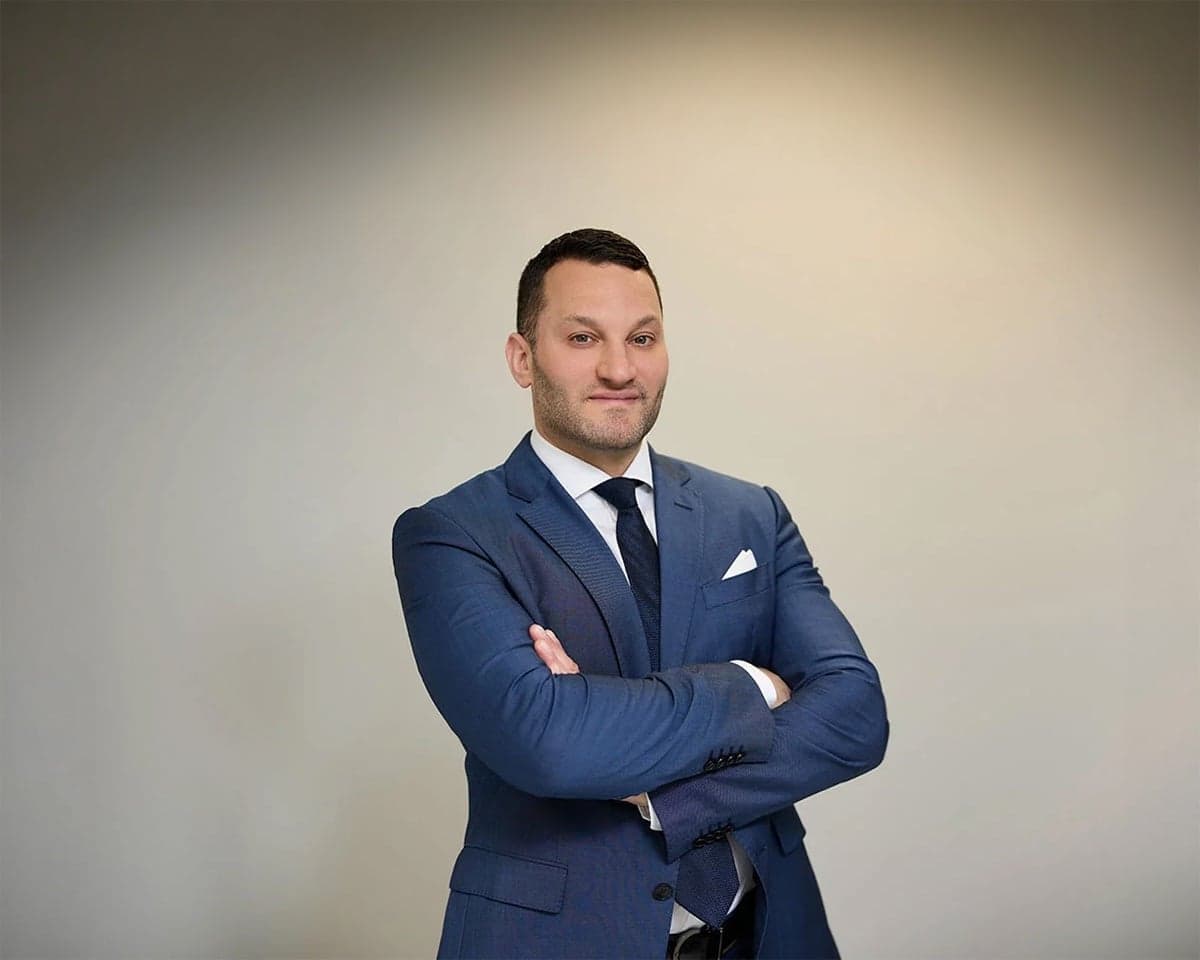
1. Dr. Benjamin Eskenazi | Avabello Aesthetics
Eskenazi went to medical school at Emory, where he first got interested in surgery. He completed general surgery training at UT Southwestern, then plastic surgery training at Cleveland Clinic in Ohio, where he worked with face-transplant patients. That’s the level of facial anatomy he’s thinking about when you sit down for a “simple” fat transfer at his Miami Beach practice.
He’s performed more than 10,000 facial surgeries and is the lead consultant for Evolus, a publicly traded aesthetic company, for its Evolysse filler launch.
“He has an excellent consultative approach, taking the time to really listen and understand your needs before prescribing a personalized plan. His bedside manner is exceptional.” — Aires Botas
Best for: Anyone who wants a surgeon who’s equal parts scientist and artist.
Avabello Aesthetics is located at 555 Washington Ave., Suite 360, Miami Beach, FL 33139 (Miami Beach), 305-798-4656. For more information, visit their official website.
2. Dr. Karan Chopra | Chopra Plastic Surgery
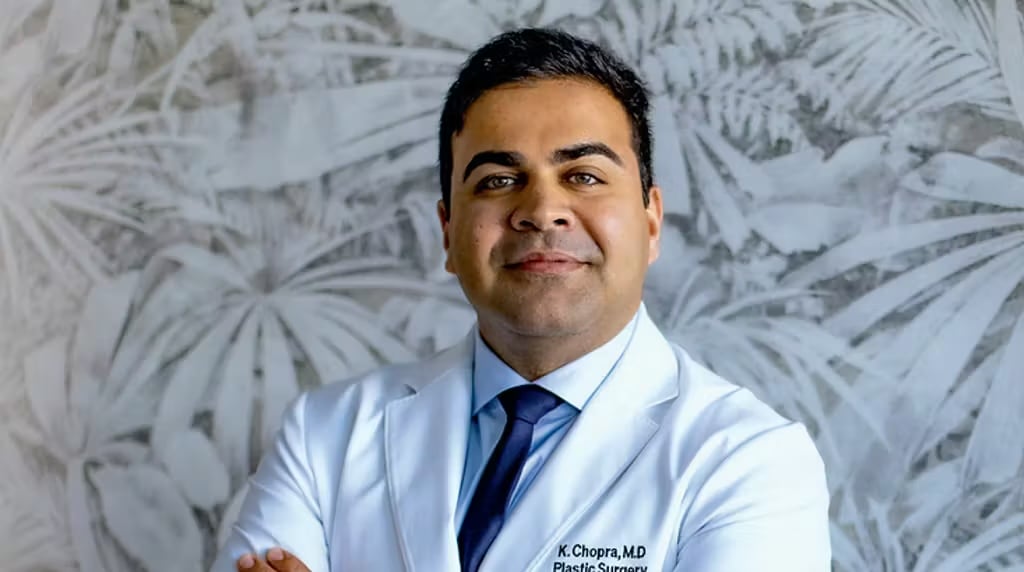
Chopra trained at Johns Hopkins Hospital, which has been ranked the No. 1 hospital in the country for 21 consecutive years. He completed a dual aesthetic and oculoplastic fellowship with Dr. Mark Codner, a world leader in the field, and is known for a deeply personal, empathetic approach that’s almost revolutionary by Miami standards. His stance: “I’m not here to change you. I’m here to make you look like the best version of yourself.”
His fat transfer technique uses ultra-refined microdroplets for smoother integration and a more natural look. The procedure is done under local anesthesia with sedation, with gentle liposuction for harvesting and meticulous purification before strategic injection into the cheeks, under-eyes, temples, and lips. Recovery is easy: most patients are back to normal life within a few days.
“I didn’t want to get that filler look, so I decided it was time for a face lift and fat transfer. I am only on day two but the results are remarkable. I look super young without being too pulled back and the fat transfer just rebalanced my entire face. He is truly an artist.” — Bryn S.
Best for: Anyone who wants Ivy League credentials paired with a genuinely kind bedside manner.
Chopra Plastic Surgery is located at 3850 Bird Rd., Suite 701, Miami, FL 33146, 305-209-8811. For more information, visit their official website.
3. Dr. Alexander Zuriarrain | Zuri Plastic Surgery
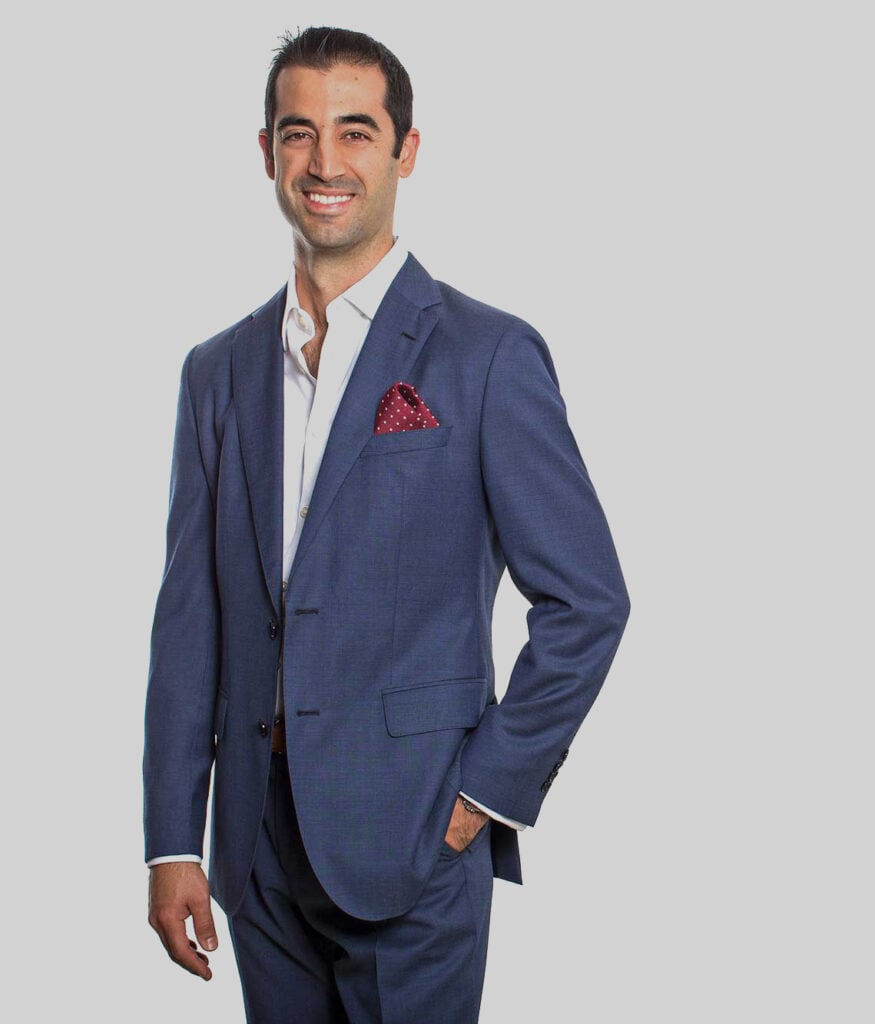
Zuriarrain is the tech-forward option out of his South Miami practice: cutting-edge, sleek, a little futuristic. He offers LipoCube Nano Fat Grafting, which converts harvested fat into nano-sized particles for smoother results and better integration. Up to 70% of grafted fat survives with this technique, and combined with PRP (platelet-rich plasma), that number climbs to nearly 80%, well above traditional fat grafting survival rates.
He also leans heavily into regenerative medicine: the fat he transfers doesn’t just add volume, it actively improves skin texture and elasticity over time through stem cells and growth factors. He’s positioned as Miami’s leader in facial plastic surgery, and the technology backs it up.
Best for: Anyone who wants the most advanced, scientifically backed fat transfer technique available.
Zuri Plastic Surgery is located at 7540 SW 61st Ave., South Miami, FL 33143 (South Miami), 786-804-1603. For more information, visit their official website.
4. Dr. Gregory D. Lewen | Lewen Cosmetic Surgery
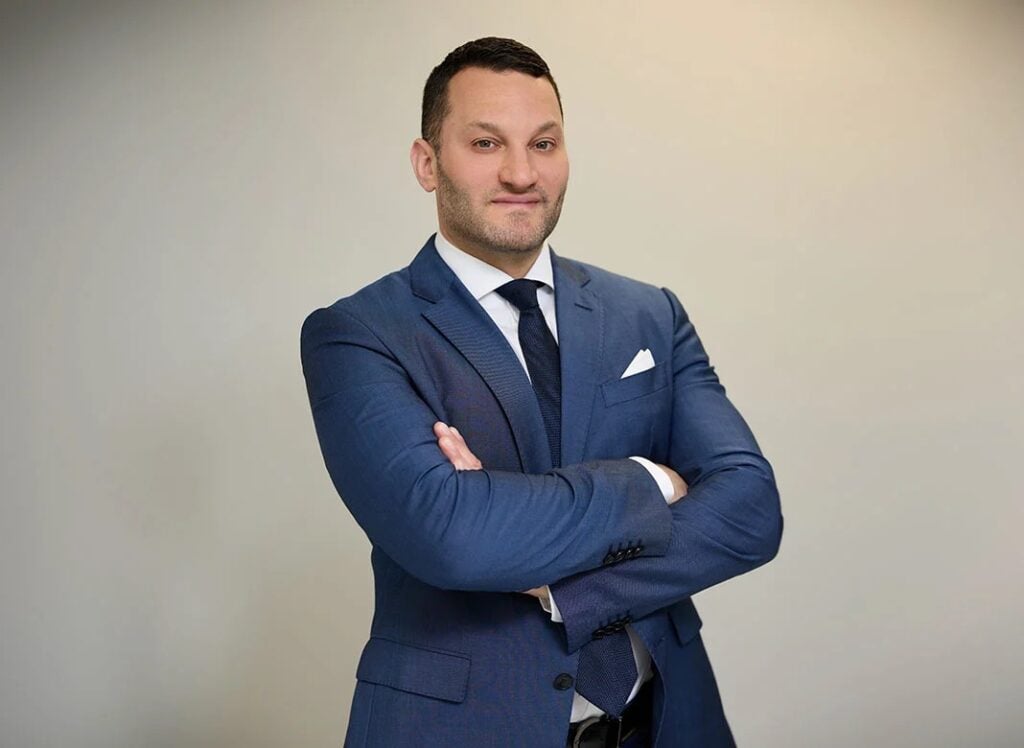
Lewen is a double board-certified ophthalmologist who specializes in oculofacial plastic surgery—in other words, he’s an expert on eyes. If your under-eyes look hollow and tired in the mirror, he’s your guy. He regularly combines fat transfer with lower blepharoplasty (eyelid surgery) for a more complete rejuvenation of the lower eyelids and midface.
Removing under-eye bags without restoring volume in the right places just leaves you looking gaunt. Lewen understands that trade-off. He uses a gentle hand-harvesting method, simple purification, and a microdroplet injection technique shown to improve fat graft survival, all out of a boutique practice instead of an assembly-line operation.
“I consulted with two other top surgeons (including one in New York) before going with Dr. Lewen, and I’m really glad I did. Most importantly, I’m loving the results so far. Everything looks refreshed, natural, and very well done.” — Anonymous patient
Best for: Anyone dealing with under-eye hollowness, dark circles, or a “tired” look that concealer can’t fix.
Lewen Cosmetic Surgery is located at 20803 Biscayne Blvd., Suite 110, Aventura, FL 33180, 305-514-0631. For more information, visit their official website.
5. Dr. Rian A. Maercks | The Maercks Institute
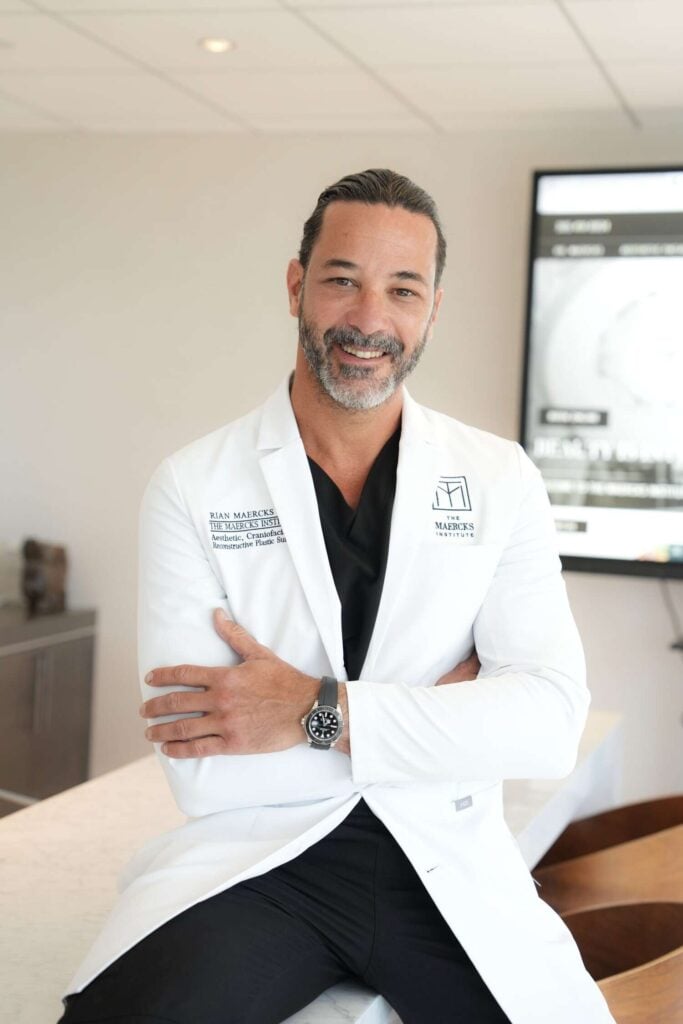
Maercks is a board-certified aesthetic, craniofacial, and reconstructive plastic surgeon—craniofacial, as in he’s rebuilt skulls. Your cheekbones are comparatively easy mode.
He uses refined fat grafting techniques focused on precision and natural integration, but what sets him apart is his role as a preferred practitioner for Lipoderma, an FDA-approved adipose injectable made from purified donor fat. He helped craft the protocols for the product himself, meaning patients who don’t want liposuction, or don’t have enough fat to harvest, still have an option.
Best for: Anyone who wants cutting-edge options, including donor fat grafting, or who doesn’t have enough body fat to harvest.
The Maercks Institute is located at 3050 Biscayne Blvd., Suite PH1, Miami, FL 33137, 305-414-0934. For more information, visit their official website.
What to Expect: The Process, Step by Step
Here’s what actually happens once you’ve decided to move forward.
Step 1: The consultation. You meet with your surgeon, who assesses your face and asks about your goals. A good surgeon is honest about what you actually need, not what’s trending or what’ll make the best Instagram post.
Step 2: The harvest. On procedure day, gentle liposuction removes fat from a donor area, usually the stomach, thighs, or hips, through tiny incisions. Minimal scarring, plus a mini body-contouring session as a bonus.
Step 3: The purification. The fat is processed to remove impurities and isolate the healthiest cells. This step is crucial to the survival rate of the grafted fat.
Step 4: The injection. The purified fat is injected into the face using fine needles or micro-cannulas, layered meticulously for smooth, natural-looking volume. It’s precise and strategic, not a “pump and dump” job.
Step 5: Recovery. Expect some swelling and bruising, which mostly subsides within one to two weeks. Ice is your best friend for the first 48-72 hours, and you’ll want to sleep propped up for a few nights.
Step 6: Results. Not all the transferred fat survives; some gets reabsorbed over the first few months, which is why surgeons often slightly overcorrect. But once the fat establishes its own blood supply, usually around three to six months, it’s permanent, and results keep improving as skin quality benefits from the stem cells and growth factors.
Not Just for Faces: Fat Transfer for BBLs and Breast Augmentation
Fat transfer isn’t limited to cheekbones. It’s changing body contouring across the board. The Brazilian Butt Lift is the most famous example: surgeons harvest fat from the stomach, flanks, and thighs and inject it into the butt, for a flatter stomach and a rounder result in one procedure. A fat transfer BBL in Miami typically runs $4,000–12,000, depending on the surgeon and how much fat is being moved.
Breast augmentation is following the same path. Fat transfer is becoming a legitimate alternative to implants for women who want a subtle size increase without a foreign object in their chest, and without the risk of implant rupture. The same principle applies: your body recognizes its own fat and integrates it, so the results look natural because they are natural.
If a surgeon’s portfolio includes BBLs and breast augmentation alongside facial work, that’s actually a good sign. It means they understand fat harvesting, purification, and grafting at a high volume, which makes them better at facial fat transfer too.
What Nobody Tells You: Cost, Pain, and Real Talk
Does fat transfer hurt? Not really. Most of these procedures use local anesthesia with sedation, and recovery is far easier than a facelift. Most people are back to brunch within a week (sunglasses optional but recommended).
How much does fat transfer cost? It varies by surgeon and volume, but expect $5,000–15,000. That’s more than filler upfront, but filler is a subscription you pay every six to 12 months. Fat transfer is mostly a one-time investment.
What if I lose more weight after fat transfer? You might lose some facial volume too, since the transferred fat cells shrink along with the rest of your body. If you’re still losing weight on a GLP-1, it’s worth waiting until you’re at a stable weight.
Can I combine fat transfer with other procedures? Yes. Many patients pair fat transfer with a facelift, eyelid surgery, or brow lift.
What’s the worst that can happen with a fat transfer procedure? Complications are rare with a qualified, board-certified surgeon, but possible issues include infection, asymmetry, undercorrection, and some degree of fat reabsorption, all either rare or correctable. The key is choosing someone who’s done this procedure thousands of times, not someone who just started dabbling in it.
The Bottom Line
If you’re already considering filler, you’re basically signing up for a lifetime subscription to looking decent. Fat transfer is a one-time procedure with natural, long-lasting, biocompatible results: no migration, no dissolving, no constant top-ups. Just you, but better. And Miami’s talent pool for this procedure is stacked enough that you’re in a good position to get it done right.
Whether it’s Ozempic face, general tiredness, or wanting to future-proof your face for 60, facial fat transfer is worth a real look. Pick a few surgeons from this list, book consultations, and see who you vibe with. Your move: narrow it down and book the consult.
TAGS

Angelina Kurganska is a traveling food and tea writer. She spent years as a professional cook in North America, Asia, Europe, and North Africa. Angelina is particularly enthralled by the subtle world of Japanese cuisine and enjoys making pottery in her free time.
View all posts →