Peptides Are Everywhere. Here’s Why. (And Where to Get Them in Miami.)

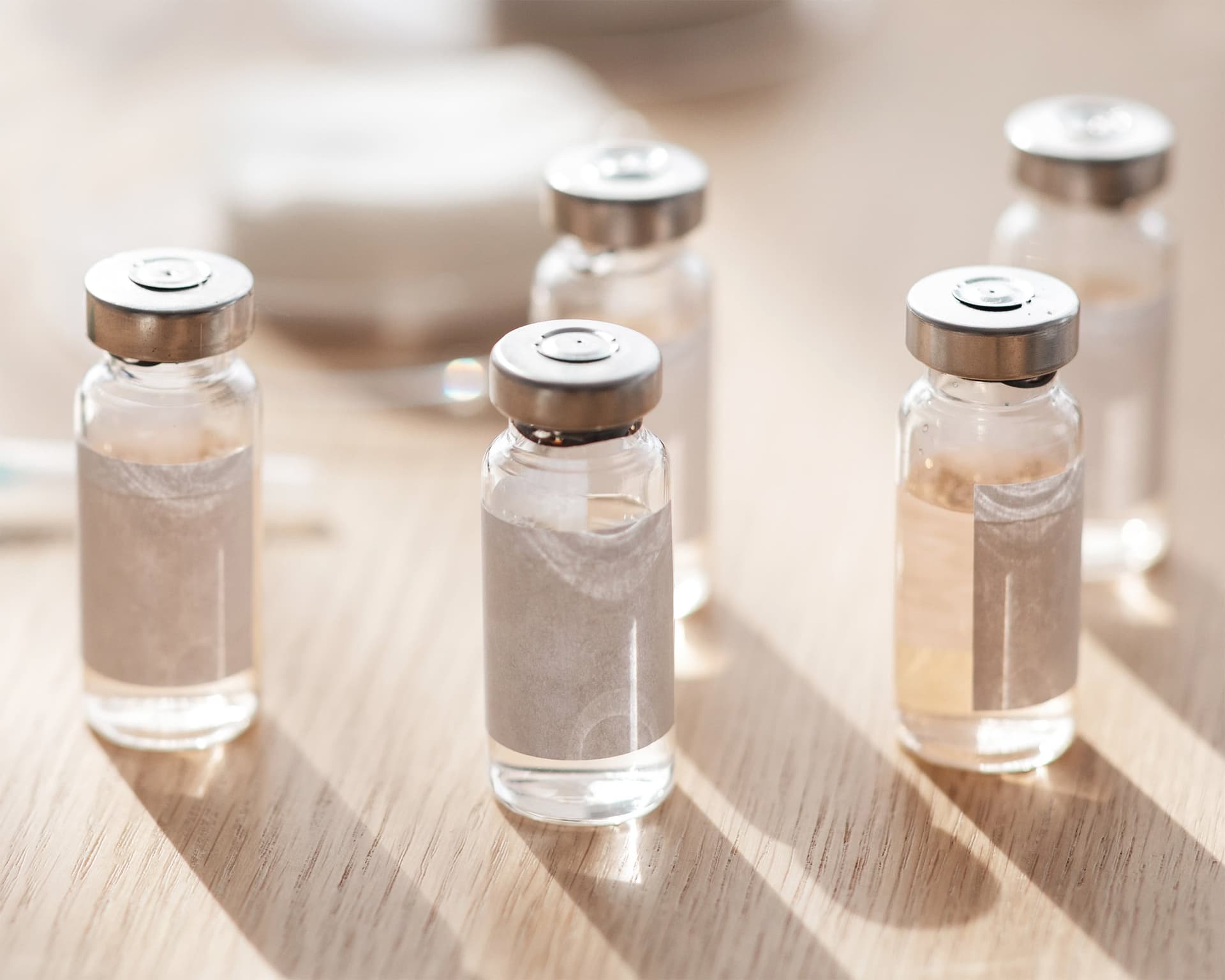
If you’ve spent more than five minutes on TikTok, chances are someone has tried to convince you to inject a peptide. Depending on your algorithm, said peptide promises to help you zip up your college jeans again, return your face to factory settings, prick your way to Hulkdom and, eventually, fingers crossed, defeat death altogether. It’s a compelling sales pitch. Which is how we got here.
Not long ago, buying freeze-dried mystery compounds off the internet, reconstituting them on our kitchen counters, and self-administering the concoction subcutaneously would have qualified as unhinged. Today, it gets us affiliate links.
Ridiculous? Yes. Baseless? Not quite. The problem isn’t that peptides are nonsense, but that they’re sharing the stage with a spectacular amount of it.
For all the hype, peptides aren’t just another wellness fad. They’re a remarkably broad class of molecules that includes genuinely important medicines, promising areas of research and, yes, volumes of internet folklore (steer clear).
So, what exactly are peptides? Which ones actually work? And, most importantly, if you’re considering peptide therapy in Miami, how do you separate credible medical care from clever marketing?
Table of Contents
What Peptide Therapy Actually Is (and What It Isn’t)
Peptide therapy uses short chains of amino acids called peptides to send targeted biological instructions throughout the body. Depending on the peptide, those instructions might be to release more growth hormone, repair tissue, increase collagen production, or tell your brain you’ve had enough to eat.
Both peptides and proteins are made from amino acids, but the difference between them lies in what they’re built to do. Peptides contain between two and 50 amino acids, while proteins contain more than 50, often folding into large, complex structures that carry out much bigger jobs. Think of a peptide as a text message with one clear instruction: “Repair this.” “Release more insulin.” “We’re full.” Think of a protein as the entire instruction manual.
Peptide therapy works by introducing peptides that mimic, replace, or amplify signals your body already uses. Your cells naturally produce thousands of peptides every day to help regulate appetite, blood sugar, inflammation, wound healing, and countless other processes. Therapy isn’t introducing an entirely foreign concept; it’s attempting to nudge existing biological pathways.
If you’ve heard of Ozempic, you’ve already encountered peptide therapy. Its active ingredient, semaglutide, is a peptide designed to mimic GLP-1, a hormone your body naturally produces to regulate appetite and blood sugar.
Despite the buzz, peptides are frequently misunderstood. They’re not steroids, which work through completely different biological pathways. They’re not vitamins, and they’re generally not dietary supplements, either. While collagen peptides found in powders and drinks provide amino acids after digestion, they don’t behave like prescription peptide medications that deliver precise biological signals throughout the body.
Nor does your body’s own peptide production automatically mean peptide therapy is “natural,” harmless, or appropriate for everyone. Many therapeutic peptides are manufactured in laboratories, and like any medication, their effects depend on the specific peptide, the dose, and how they’re used.
Because many peptides are quickly broken down in the digestive tract, most peptide therapies are administered by subcutaneous injection (a small injection just beneath the skin). Others may be available as oral tablets, troches (dissolvable lozenges), nasal sprays, or transdermal creams, though absorption and effectiveness vary considerably depending on the peptide.
The Benefits: What Peptides Can Actually Do
If peptides have a public relations problem, it’s that they all get lumped together. In reality, “peptide therapy” isn’t one treatment or even one category of medicine. It’s an umbrella term covering dozens of different compounds with wildly different purposes and wildly different levels of scientific evidence. Some are FDA-approved medications backed by large clinical trials. Others are still making their way through animal studies, early human research, or enthusiastic Reddit threads.
The strongest evidence sits in the category of metabolic health.
Weight Loss and Metabolic Health
This is where peptide therapy has moved well beyond wellness phenomenon territory and firmly into mainstream medicine. Semaglutide (Ozempic, Wegovy) and tirzepatide (Mounjaro, Zepbound) are FDA-approved peptide medications that have fundamentally changed the treatment of obesity and Type 2 diabetes. In addition to helping people lose significant amounts of weight, semaglutide has also been shown to reduce the risk of major cardiovascular events in certain adults with obesity and cardiovascular disease.
Other compounds, including tesofensine and AOD-9604, are frequently discussed in weight-loss clinics, though they don’t carry the same level of evidence or regulatory approval as GLP-1 medications. If you’re looking for the area where peptide therapy has the strongest science behind it, this is it.
Muscle Growth, Recovery and Tissue Repair
Here, the marketing tends to outpace the evidence a bit.
Peptides such as BPC-157, TB-500, CJC-1295/ipamorelin, and sermorelin are commonly promoted for injury recovery, tissue repair, and muscle growth. The recovery claims are generally more convincing than the muscle-building ones. While early research suggests some may influence healing pathways, much of the evidence comes from animal studies, laboratory research, or relatively small human trials.
While there is promise, keep in mind that the idea that a peptide can replace progressive strength training, adequate protein, or eight hours of sleep remains in the realm of wishful thinking.
Anti-Aging, Skin and Hair

This is one of the most active areas of peptide research, and one of the most misunderstood.
The compounds most often prescribed here are GHK-Cu, a copper peptide used both topically and by injection for collagen support and skin repair, along with epithalon, MOTS-c, and thymosin compounds marketed for cellular aging, skin quality, and hair. GHK-Cu has the longest track record and the most laboratory evidence behind its effect on collagen production. The rest sit further back, supported largely by cell and animal studies rather than large human trials.
Melissa Escalona, NP, who founded the South Miami clinic Life Theory, points to copper peptides as the category’s longest-running example.
The copper peptide is a peptide that’s actually been on the market for a very long time and used in hospitals and a dermatology office. But topically most peptides are not FDA approved.
Melissa Escalona, NP, Life Theory
That distinction matters more than it sounds, because the word now shows up on prescription pads and drugstore shelves alike.
Peptides are being infused in all of our products—things at CVS, Walgreens, Walmart, Target, whatever—and also medical-grade creams and serums that you can find at your med spas or derm offices.
Melissa Escalona, NP, Life Theory
The two aren’t the same category. A cosmetic peptide in a serum works at the surface of the skin. A prescribed, injected protocol doesn’t, and the two shouldn’t be judged against the same evidence.
Sexual Health
One peptide has quietly built a much stronger evidence base than many people realize.
Bremelanotide (PT-141), marketed as Vyleesi, is FDA-approved for premenopausal women with acquired, generalized hypoactive sexual desire disorder. It’s one of the clearer examples of a peptide therapy supported by both clinical trials and regulatory approval.
Escalona describes it as an as-needed option rather than a daily protocol, injected about an hour before sex and capped at roughly eight doses a month.
It’s kind of like Viagra for women, but it works in a different way. It tells the brain, “Hey, I’m ready.”
Melissa Escalona, NP, Life Theory
Some clinicians also prescribe PT-141 off-label for men, though that isn’t its FDA-approved indication.
Cognition, Mood and Sleep
Though this is perhaps one of the internet’s favorite categories, it’s one of the least settled scientifically.
Peptides including Selank, Semax, DSIP, and Dihexa are frequently promoted for focus, anxiety, memory, sleep, and neuroplasticity. While several have intriguing early research behind them, the evidence remains limited compared with peptide therapies used for obesity or sexual health.
In other words, these compounds are promising but not proven.
Immune Support and Longevity
Compounds such as Thymosin Alpha-1, LL-37, MOTS-c, and epithalon are often discussed for immune support, healthy aging, and lifespan extension. Of these, Thymosin Alpha-1 has the strongest clinical history, particularly for immune modulation. The broader longevity claims, however, remain considerably more speculative.
It’s an exciting area, but it remains very much an active area of research.
What Peptides Won’t Do
For all the internet hype, peptides are not biological cheat codes.
They won’t replace a well-designed training program. They won’t undo decades of metabolic disease overnight. They won’t reverse advanced chronic illness or erase 20 years of questionable lifestyle choices by next week.
Even when a peptide has excellent science behind it, it still has to work within biology, not around it.
Is Peptide Therapy FDA-Approved? The Regulatory Honesty Section
The answer is neither a simple yes nor a simple no. It’s a little messier than that.
Some peptide therapies have earned FDA approval after rigorous clinical testing. Others are compounded, prescribed off-label, or remain investigational. FDA approval is not the only measure of a therapy’s potential, but it does tell you something important, namely how much evidence, oversight, and safety data exist behind it. Before starting peptide therapy, one of the best questions you can ask is, “where does this peptide fall on the regulatory spectrum?”
There are three categories of peptides in Miami clinics.
FDA-approved brand-name drugs. These medications have undergone the FDA approval process, meaning they’ve been evaluated in clinical trials and approved to treat specific medical conditions. Examples include semaglutide (Ozempic, Wegovy), tirzepatide (Mounjaro, Zepbound), bremelanotide (Vyleesi), and tesamorelin (Egrifta).
They are manufactured under strict FDA quality standards and come with approved indications, standardized dosing recommendations, and well-characterized safety profiles. They also tend to be the most expensive option, which is one reason many wellness clinics turn to compounded alternatives.
Compounded versions of FDA-approved peptides. These are pharmacy-prepared versions of FDA-approved peptide medications, such as semaglutide and tirzepatide, made by licensed 503A compounding pharmacies rather than the original manufacturer.
Compounding is legal under specific circumstances, such as when a medication is needed to meet an individual patient’s clinical needs or when an FDA-approved drug is in shortage. During the nationwide GLP-1 shortages that began in 2022, compounded semaglutide and tirzepatide became widely available as pharmacies stepped in to help meet demand.
As those shortages have largely resolved, however, the regulatory landscape has shifted. Since 2023, the FDA has repeatedly updated its guidance and enforcement, making it increasingly clear that pharmacies generally may not routinely compound copies of commercially available medications once shortages have ended. Because this area continues to evolve, the rules surrounding compounded GLP-1s have changed several times in just a few years.
Unlike FDA-approved brand-name medications, compounded drugs are not themselves FDA-approved. That doesn’t automatically mean they’re unsafe or ineffective; it only means the FDA does not independently review each compounded product for safety, effectiveness, or manufacturing consistency before it reaches patients.
Compounded “bulk drug” peptides. This category includes many of the peptides commonly marketed for anti-aging, recovery, and longevity, including BPC-157, ipamorelin, GHK-Cu, MOTS-c, and epithalon.
Unlike semaglutide or tirzepatide, these peptides are not FDA-approved medications. Many have historically been compounded from bulk ingredients by specialized pharmacies, but in recent years the FDA has significantly increased its scrutiny in this category. In 2023, multiple peptides were placed into regulatory categories that narrowed what 503A compounding pharmacies could legally prepare, prompting some products to disappear from the market while others resurfaced through 503B outsourcing facilities or other pharmacy channels.
The result is a regulatory landscape that changes far more quickly than most patients realize. A peptide that is readily available at one clinic today may be unavailable elsewhere, or unavailable altogether just a few months later. As of 2026, availability varies by the specific peptide, the pharmacy preparing it, and the latest FDA guidance.
What This Means for a Miami Buyer
Peptide therapy has become one of Miami’s fastest-growing wellness trends, but not all clinics (or the products they offer) are created equal. Before committing to treatment, it’s worth asking a few questions that can help distinguish a reputable medical practice from one relying on hype or poorly regulated products.
Ask the clinic which pharmacy they use. A reputable clinic should be able to tell you exactly where its peptides come from. 503A compounding pharmacies prepare patient-specific prescriptions, while 503B outsourcing facilities produce larger batches under additional FDA manufacturing requirements. Both are legitimate parts of the regulated pharmaceutical supply chain.
By contrast, peptides purchased from research-chemical suppliers—often labeled “for research use only” or “not for human consumption”—exist outside that regulated system and are not intended to be used as prescription medications. If a clinic won’t disclose its source, or relies on research-grade products, consider it a serious red flag.
It’s important to know the source of your peptides. You’re not going online and getting them from whatever country, for research use only. You don’t want to do that. You want to get it with a reputable office provider.
Melissa Escalona, NP, Life Theory
Ask whether the peptide is currently on the FDA’s permitted list. This is different from asking whether it’s FDA-approved. Many peptides used in wellness clinics have never been FDA-approved, but they still may—or may not—be eligible for compounding. The FDA regularly reviews which bulk drug substances can be used by compounding pharmacies, and the status of popular peptides continues to change over the years. A knowledgeable provider should be able to explain the peptide’s current status and why it’s being prescribed.
Be wary of “research chemical” websites that ship peptide powders directly to consumers. These products are not part of the regulated pharmaceutical supply chain. Unlike medications dispensed by licensed pharmacies, they are not intended for patient care, and their purity, potency, and sterility may be questionable.
How Much Does Peptide Therapy Cost in Miami?
In Miami, peptide therapy typically costs anywhere from a few hundred dollars to well over $1,000 per month, depending on the peptide, dosage, delivery method, and whether you’re paying for a single medication or a comprehensive longevity program. Initial consultations generally range from $150 to $450, while baseline laboratory testing often adds another $200 to $600, though many clinics bundle one or both into introductory packages.
How you’re billed can vary just as much as what you’re prescribed. Some clinics charge à la carte for individual peptides, while others package treatment into monthly memberships or quarterly longevity programs that may include physician follow-ups, laboratory monitoring, body composition testing, hormone optimization, nutritional guidance, and other wellness services.
Most clinics provide at least a general idea of pricing on their websites, but don’t be surprised if you can’t find a simple price list. Because peptide therapy is typically customized, the final cost depends on your health goals, the specific peptides being prescribed, the dose, the length of treatment, and any additional services included in your care. The most accurate estimate will always come after your consultation, once your provider has recommended a treatment plan.
Featured Miami Peptide Clinics
BODYWELLE
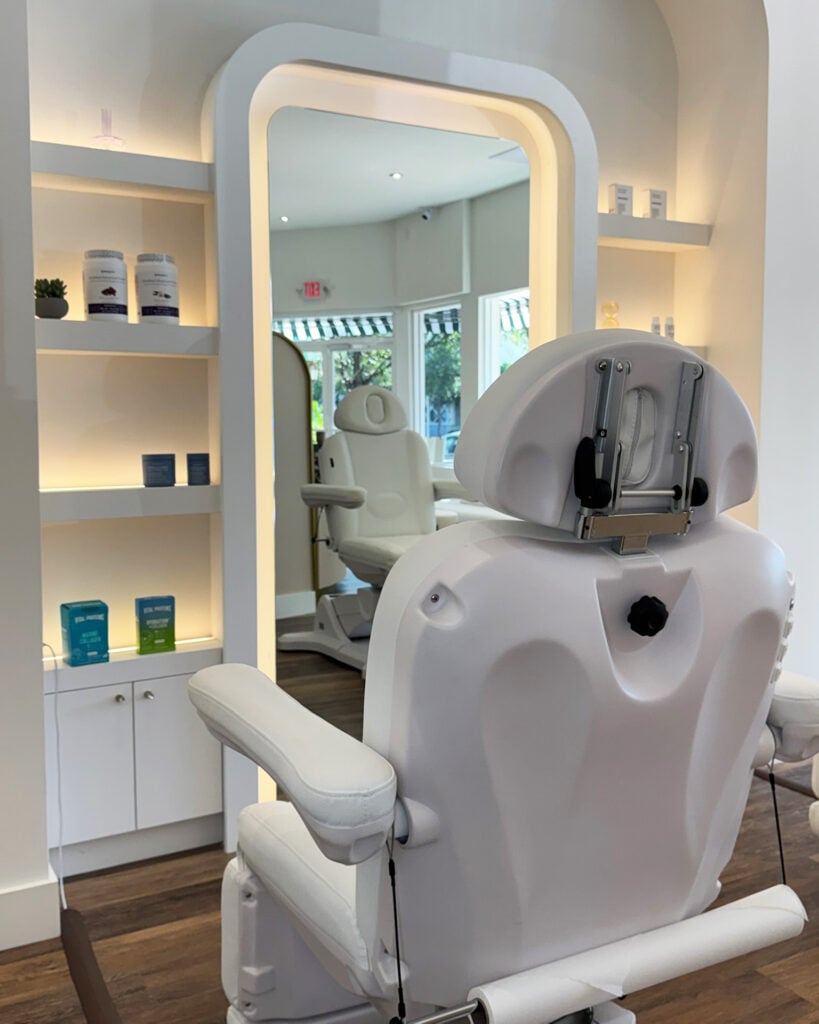
Best for: Patients tackling multiple wellness goals at once.
Founded by Dr. Alonso Martin, M.D., BODYWELLE approaches peptide therapy through a physician-led, longevity-focused model that begins with the question, “what are you trying to accomplish?” Dr. Martin builds treatment plans around each patient’s specific goals, whether that’s weight management, muscle recovery, improved sleep, cognitive support, libido, skin health, or healthy aging.
With a background spanning neuroscience, family medicine, and wellness optimization, Dr. Martin evaluates each patient’s medical history, medications, lifestyle, laboratory markers, and safety considerations before recommending a peptide protocol. Depending on the treatment plan, therapies may be administered by subcutaneous injection, orally, or topically.
They’re really more for health optimization. So if you want to optimize your performance, if you want to optimize your recovery after training, if you want to optimize your health, the health of your skin… even sexual performance, there’s peptides for even that.
Dr. Alonso Martin, M.D., BODYWELLE
Combined with its broad range of peptide therapies and emphasis on medically guided care, BODYWELLE offers a straightforward, patient-focused approach to peptide therapy. Consultations cost $110, and lab work can either be done onsite or through Quest Diagnostics if you’re using insurance.
BODYWELLE is located at 1060 Alton Rd., Miami Beach, FL 33139. Phone: 305-330-2486. For more information, visit their official website.
the biostation
Best for: Patients interested in peptide therapy as part of a longevity and functional medicine program.
Founded in 2013 by entrepreneur Ross Bloom, alongside his father, Dr. Martin G. Bloom, the biostation approaches peptide therapy through the lens of functional medicine and healthy aging. Rather than focusing on a single concern, the clinic incorporates peptides into personalized treatment plans designed to support long-term wellness and performance.
Its peptide program addresses a wide range of goals, including weight management, cognitive function, recovery, hormone balance, immune health, sexual wellness, and skin rejuvenation. With multiple peptide compounds available, providers can tailor recommendations based on each patient’s health history, goals, and clinical needs.
the biostation also emphasizes evidence-based care, highlighting its commitment to staying current with emerging research and advances in peptide therapy. Patients work with experienced medical providers to determine whether peptide therapy is appropriate and which treatment options best align with their objectives.
the biostation has multiple locations, including Midtown Miami (115 NE 32nd St., Suite 102, Miami, FL 33127), 305-907-2550; and the Carillon Miami Wellness Resort (6801 Collins Ave., Miami Beach, FL 33141). For more information, visit their official website.
Evolve Longevity
Best for: Patients who want deep diagnostic testing before starting peptide therapy.
Founded by Connor Wade, Evolve Longevity blends regenerative medicine, biohacking, and longevity science under one roof. Wade openly embraces the role of self-experimenter, using many of the clinic’s longevity protocols before recommending them to patients.
Peptide therapy is overseen by Dr. Sam Zand, a double board-certified physician and the clinic’s medical director, alongside Dr. Gavin Ajami, director of regenerative medicine, who specializes in functional and regenerative care. Rather than treating peptides as a standalone therapy, the physician team incorporates them into broader longevity programs designed to support metabolic health, hormone optimization, tissue repair, and healthy aging.
What distinguishes Evolve is its emphasis on precision diagnostics. Patients may undergo comprehensive bloodwork, genetic testing, and biological age assessments (all done onsite) before beginning treatment, allowing providers to build protocols around measurable biomarkers rather than symptoms alone. Beyond peptides, the clinic also offers stem cell therapies, NAD+ infusions, and other regenerative treatments, making it a strong option for patients looking for a comprehensive health optimization program rather than peptide therapy alone. First-time consultations at Evolve Longevity are complimentary.
Evolve Longevity is located at 555 Washington Ave., Suite 260, Miami Beach, FL 33139. Phone: 645-220-0575. For more information, visit their official website.
Life Theory
Integrative Health Miami
Best for: Patients looking to integrate peptide therapy into a broader wellness plan.
Rather than offering a one-size-fits-all peptide protocol, Integrative Health Miami takes a whole-person approach. The practice is led by founder Dr. Yeisel Barquin, M.D., a board-certified internal medicine physician who serves as the clinic’s medical director and personally oversees peptide therapy as part of a broader strategy focused on optimizing health, vitality, and long-term wellness.
Every patient begins with a comprehensive medical consultation, during which Dr. Barquin evaluates their health history, goals, and underlying concerns before recommending a personalized treatment plan. Depending on the individual’s needs, peptide therapy may be used to support tissue recovery, hormone balance, athletic performance, chronic pain management, or overall vitality. Treatments may include subcutaneous injections, nasal sprays, or topical creams, depending on the peptide being prescribed.
The emphasis here is less on chasing the latest trend and more on matching the right peptide to the right patient. Throughout treatment, protocols are monitored and adjusted as health goals evolve, with peptide therapy positioned as one component of a larger, personalized approach to preventive and integrative medicine.
Integrative Health Miami is located at 2655 S. Le Jeune Rd., Suite 902, Miami, FL 33134. Phone: 305-456-6026. For more information, visit their official website.
South Florida Face & Body
Best for: Patients looking for a more boutique, longevity care approach.
Unlike clinics that treat peptide therapy as a standalone service, South Florida Face & Body incorporates it into a broader health optimization membership designed to uncover and address the root causes behind a patient’s symptoms. The practice is led by Kelly Wolfe, MSN, APRN, FNP-BC, CFMP, a University of Miami-trained nurse practitioner and Certified Functional Medicine Practitioner who personally oversees every stage of care.
Treatment begins with a “Root-Cause Consultation,” during which Wolfe reviews a patient’s symptoms, health history, and laboratory results before ordering an expanded diagnostic panel designed to look beyond routine bloodwork. From there, peptide therapy may be combined with hormone optimization, targeted supplementation, nutrition, exercise guidance, and lifestyle interventions as part of a single, comprehensive treatment plan.
One aspect that distinguishes the practice is its boutique model. Rather than rotating between providers, patients work with Wolfe throughout their care, receiving ongoing follow-ups and protocol adjustments from the same clinician. Services are available both in person at the Miami Beach office and through telehealth across Florida.
Consultations cost $99. Labs done six months prior to your appointment or less are permitted. If labs are needed, patients can get them done through Quest Diagnostics (which is downstairs in the same building) for an out-of-pocket cost or through their insurance.
South Florida Face & Body is located at 1000 5th St., Suite 414, Miami Beach, FL 33139. Phone: 786-529-1860. For more information, visit their official website.
Peptide Therapy Side Effects, Risks, and Who Should Skip It
Like any medical treatment, peptide therapy isn’t risk-free. The challenge is that “peptide therapy” isn’t one treatment—it’s dozens of different compounds, each with its own benefits, side effects, and level of scientific evidence. Some have been studied for decades. Others are still in the early stages of research. As a result, their safety profiles vary just as much.
Injection-Site Reactions
Because many peptides are administered by subcutaneous injection, the most common side effects are also the least dramatic. Temporary redness, bruising, tenderness, or mild swelling around the injection site are relatively common and usually resolve within a few days.
GLP-1 Medications
For GLP-1 medications such as semaglutide and tirzepatide, gastrointestinal side effects are by far the most common. Nausea, vomiting, constipation, diarrhea, and abdominal discomfort frequently occur during the first few weeks of treatment or after increasing the dose, though they often improve over time.
Less common (but more serious) risks include gallbladder disease and, rarely, pancreatitis. Some patients also notice facial volume loss, a phenomenon popularly dubbed “Ozempic face.” Despite the nickname, this isn’t a unique side effect of semaglutide; it’s simply the result of losing fat throughout the body, including the face.
Growth Hormone-Stimulating Peptides
Peptides such as CJC-1295, ipamorelin, and sermorelin work by encouraging the body to release more growth hormone, which in turn raises levels of IGF-1, a hormone involved in growth and tissue repair.
Potential side effects include water retention, joint stiffness, headaches, numbness or tingling, and elevations in blood sugar. Because IGF-1 stimulates cell growth, researchers have long questioned whether chronically elevated levels could increase cancer risk. At this point, however, there is no convincing evidence that peptide therapy causes cancer in humans, but long-term safety data for many of these compounds remain limited. For that reason, they’re generally avoided in people with active cancer and should be prescribed thoughtfully with appropriate monitoring.
BPC-157
Few peptides generate as much enthusiasm, and as much debate, as BPC-157.
Most of the evidence supporting its use for injury recovery and tissue repair comes from laboratory and animal studies rather than robust human clinical trials. While the limited human data available haven’t revealed major safety concerns, we still don’t know enough about its long-term effects to draw firm conclusions.
Escalona reads the FDA’s position on the compound the same way.
They felt that the research is still lacking. They’re not saying it’s not good…
Melissa Escalona, NP, Life Theory
Melanotan II
Melanotan II, often marketed for tanning and sometimes sexual enhancement, deserves a little extra caution.
Potential side effects include nausea, flushing, elevated blood pressure, spontaneous erections, and darkening of existing moles or the appearance of new pigmented lesions. Because of those skin-related concerns—and the lack of long-term human safety data—many dermatologists recommend avoiding it.
Who Should Avoid Peptide Therapy?
Not everyone is a good candidate. Depending on the peptide, therapy may not be appropriate for people who:
- Have active cancer or are being treated for certain cancers, particularly when considering growth hormone-stimulating peptides.
- Are pregnant or breastfeeding, since safety data are generally lacking.
- Have a personal or family history of multiple endocrine neoplasia type 2 (MEN2) or medullary thyroid cancer when considering GLP-1 medications.
- Have significant cardiovascular disease or other medical conditions that require individualized risk assessment.
Drug Interactions
Peptides can interact with other medications. For example, GLP-1 medications may increase the risk of low blood sugar when combined with insulin or sulfonylureas, often requiring dose adjustments. Depending on the peptide, clinicians may also evaluate potential interactions with hormone therapies, immunosuppressive medications, and other drugs that affect metabolism or immune function.
How to Vet a Miami Peptide Clinic: A 7-Point Checklist
1) Who’s prescribing your peptides?
If the answer is a “wellness consultant,” health coach, or salesperson, keep looking. Your treatment should be overseen by a Florida-licensed MD, DO, NP, or PA practicing within their legal scope.
2) Which pharmacy do they use?
This is one of the easiest, and most important, questions to ask. A reputable clinic should have no problem telling you which 503A compounding pharmacy or 503B outsourcing facility prepares its medications and why it trusts that pharmacy. If the answer is vague, evasive, or “don’t worry about it,” consider that a red flag.
For reference, this is what a direct answer sounds like.
All of our peptides are made by a pharmacist. So, they come from a compounding pharmacy, which is quite unique because it’s pure, it’s clean, it’s dosed properly, and it comes from an FDA-registered compounding pharmacy.
Dr. Alonso Martin, M.D., BODYWELLE
3) What labs do they require before prescribing?
Depending on the peptide, that may include a comprehensive metabolic panel (CMP), HbA1c, thyroid function, hormone levels such as testosterone or IGF-1, and inflammatory markers like hs-CRP. Not every patient needs every test, but prescribing without any meaningful baseline evaluation should give you pause.
4) What’s the follow-up plan?
Peptide therapy isn’t a “set it and forget it” type of thing. Reputable clinics schedule follow-up appointments, repeat appropriate laboratory testing (often every eight to 12 weeks during active treatment), and adjust protocols based on your response, side effects, and lab results.
5) Do they explain the risks in writing?
Every peptide should come with an honest conversation. Before starting treatment, you should receive clear information about expected benefits, potential side effects, contraindications, and what to do if problems arise. A written informed consent document for each medication is a good sign that the clinic takes patient education seriously.
6) Are the costs transparent?
Before you commit, ask for the total cost. That includes the consultation, laboratory testing, medication, injection supplies, and follow-up visits. The best clinics are upfront about pricing. The worst reveal it one surprise charge at a time.
7) What happens if something goes wrong after hours?
Before starting treatment, find out who you’ll contact if you experience significant side effects outside normal business hours. A legitimate medical practice should have a clear after-hours plan, whether that’s an on-call provider or another established protocol. You shouldn’t be left wondering who to call when the office lights are off.
Telehealth vs In-Clinic Peptide Therapy in Miami
Not all that long ago, starting a new medication meant sitting in an exam room wearing a paper gown. Today, it might mean sitting on your couch in sweatpants while your provider appears in a little rectangle on your laptop.
Peptide therapy has embraced telehealth in a big way. Many patients now complete a virtual consultation, have lab work done locally, and receive their medication by mail. For some, that’s the ideal setup. For others, an in-person clinic still offers meaningful advantages. Here’s what to keep in mind as you choose what’s best for you.
In-clinic advantages: Sometimes it’s simply easier to be in the same room. An in-person visit allows for a physical examination, face-to-face conversation, and immediate access to additional services many longevity clinics already offer, including onsite blood draws, body composition testing, IV therapy, hormone optimization, and follow-up care. If your treatment needs adjusting (or something doesn’t feel quite right), having an established local medical team can make ongoing care considerably simpler.
Telehealth advantages: Convenience is telehealth’s biggest selling point. Virtual appointments are often less expensive, easier to schedule, and don’t require a drive across town. Once prescribed, medications can typically be shipped directly from the pharmacy to your doorstep, making telehealth an attractive option for many patients, particularly those on straightforward treatment plans.
Florida-specific telehealth notes: Florida is generally telehealth-friendly, but there are still rules. In most cases, you must be physically present in Florida during your appointment, and the provider must be licensed in Florida or otherwise legally authorized to provide telehealth services in the state. If an online clinic can’t clearly explain how it meets those requirements, that’s worth asking about.
What we’d skip: Not all online peptide providers are created equal. We’d skip platforms that prescribe without a real medical evaluation. A legitimate provider should review your medical history, discuss risks and benefits, determine whether peptide therapy is appropriate, and answer your questions before writing a prescription.
We’d also skip “research chemical” websites. If a product is labeled “for research use only” or “not for human consumption,” take it at face value. These products are not part of the regulated prescription drug supply chain.
And finally, we’d skip clinics that aren’t authorized to practice in Florida. Before handing over your credit card, confirm that your provider is licensed or otherwise legally permitted to provide telehealth care in Florida.
Honest verdict: Telehealth isn’t inherently better. Neither is an office visit. For patients on relatively straightforward protocols—particularly FDA-approved GLP-1 medications—telehealth can be an excellent option when paired with an appropriate medical evaluation, laboratory testing when indicated, and regular follow-up.
If you’re new to peptide therapy, considering multiple peptides, combining treatment with hormone optimization, or simply want closer supervision, an in-person clinic often offers meaningful advantages. It’s easier to coordinate testing, monitor progress, and adjust treatment when everything happens under one roof.
How to Start Peptide Therapy in Miami: Step by Step
By now, you’ve probably gathered that “starting peptide therapy” should involve considerably more than clicking “Add to Cart” on a vial.
A reputable clinic will treat peptide therapy the same way it treats any prescription medication: with a medical evaluation, appropriate testing, and ongoing follow-up. Here’s what that process typically looks like.
Define your goal: Weight management, injury recovery, hormone optimization, healthy aging, sexual wellness, and sleep all call for different approaches—and in some cases, peptide therapy may not be the best answer at all. A good provider starts with your goal and determines what the best course of action is.
Book a consultation: Expect your first visit to last 45 to 60 minutes and cost somewhere between $150 and $450, depending on the clinic. During that appointment, a licensed medical provider should review your health history, current medications, symptoms, and treatment goals before discussing whether peptide therapy is appropriate for you.
Complete baseline labs: Before writing a prescription, most reputable clinics will want a clear picture of what’s happening beneath the surface. Depending on your treatment plan, that may include a comprehensive metabolic panel, HbA1c, thyroid function, hormone levels, lipid testing, and other biomarkers. Standalone laboratory testing often costs $200 to $600, though some clinics bundle it into their initial evaluation.
Receive your treatment plan: Once your evaluation and lab results are complete, your provider will recommend a protocol tailored to your goals. For some patients, that means a single peptide. Others may be prescribed a combination protocol, sometimes called a peptide stack. Your provider should explain exactly what you’re taking, why you’re taking it, how long treatment is expected to last, and what kind of results are realistic.
Learn the injection technique: Most peptide therapies are administered by subcutaneous injection. Your clinic should demonstrate proper technique, explain storage and disposal, and answer every question before you leave. Many providers also supervise the first dose in the office to make sure you’re comfortable doing it on your own.
Follow up and adjust as needed: Most clinics schedule a follow-up appointment around eight weeks after treatment begins to review your progress, discuss any side effects, and repeat laboratory testing when appropriate. Based on your results, your provider may adjust the dose, continue the current protocol, or decide it’s time to try a different approach.
Frequently Asked Questions
How much does peptide therapy cost in Miami?
Costs vary depending on the peptide and the clinic. Initial consultations typically range from $150 to $450, while baseline laboratory testing may cost $200 to $600 if not included in a package. Monthly medication costs range from under $100 for some compounded peptides to well over $1,000 for brand-name GLP-1 medications.
Is peptide therapy FDA-approved?
Some peptide therapies are FDA-approved, while many are not. Medications such as semaglutide, tirzepatide, bremelanotide, and tesamorelin are FDA-approved for specific medical conditions. Many other peptides offered by wellness clinics are compounded medications or investigational compounds that have not undergone the FDA approval process.
Is Ozempic peptide therapy?
Yes. Ozempic’s active ingredient, semaglutide, is a peptide that mimics GLP-1, a hormone naturally produced by the body. It works by helping regulate appetite, slowing stomach emptying, and improving blood sugar control, making it one of the best-known examples of peptide therapy.
How long until you see results from peptide therapy?
That depends on the peptide and your treatment goal. Weight-loss medications may begin reducing appetite within days, although significant weight loss typically occurs over several months. Recovery, skin, or hormone-related therapies often require several weeks or months before noticeable improvements occur.
Does peptide therapy really work?
It depends on the peptide. Some are among the best-studied medications in modern medicine. Others are still closer to scientific hypothesis than established treatment. The key is distinguishing therapies supported by robust clinical evidence from those that remain promising but unproven.
Is peptide therapy safe?
When prescribed appropriately and monitored by a qualified healthcare provider, many peptide therapies have well-established safety profiles. However, every peptide carries potential risks, and many wellness peptides lack long-term human safety data. The safest approach is to receive treatment through a licensed medical provider who performs appropriate evaluations and follow-up.
Where can you legally get peptides in Miami?
Peptides should be obtained through a licensed healthcare provider who prescribes medication dispensed by a licensed pharmacy. Avoid websites selling “research chemicals” or peptides without a prescription, as these products are not intended for human use and fall outside the regulated pharmaceutical supply chain.
Does insurance cover peptide therapy in Miami?
It depends on the peptide and the reason it’s prescribed, but most wellness-focused peptide therapies are paid for out of pocket. Insurance may cover certain FDA-approved peptide medications when patients meet specific medical criteria, while compounded peptides and anti-aging treatments are generally not covered.
Can you do peptide therapy through telehealth in Florida?
Yes. Florida allows qualified healthcare providers to prescribe appropriate medications through telehealth, provided they comply with state licensing requirements and telehealth laws. Patients must generally be physically present in Florida during the telehealth appointment, even if the provider is consulting from another state.
What are the side effects of peptide therapy?
Side effects vary by peptide. Common reactions include mild redness or bruising at the injection site, while certain peptides can cause nausea, constipation, water retention, joint discomfort, or changes in blood sugar. Your provider should discuss the specific risks associated with the peptide you’re prescribed before treatment begins.
How is peptide therapy administered?
Most peptide therapies are given by subcutaneous injection, using a small needle inserted just beneath the skin. Depending on the medication, some peptides are also available as oral troches, nasal sprays, or transdermal creams, although not every peptide can be effectively delivered using these methods.
Is BPC-157 still legal in Florida in 2026?
BPC-157 is not FDA-approved, and its regulatory status has become increasingly complex in recent years. Following increased FDA scrutiny of certain bulk drug substances used in compounding, availability has varied among pharmacies and clinics. If a clinic offers BPC-157, ask whether it is being legally compounded, where it is sourced, and what human evidence supports its use.
TAGS

Ana Heretoiu is a freelance writer/brand copywriter based in Miami. Over the last 8 years she has covered hospitality, fashion, art & wellness in both editorial and advertorial capacity. Her former stints include being an editor for Eater Miami and contributor for several print and digital publications, including Ocean Drive Magazine, Modern Luxury, Think Magazine, Racked & Dining Out. Aside from writing, Ana enjoys teaching Yoga, getting in and out of the twistiest of shapes, and inventing new words, like “twistiest.”
View all posts →