Social Media Trends Business Owners Should Actually Pay Attention To In 2026

Before you dive into another “Top Social Media Trends for 2026” report, here’s the reality: most of them probably don’t apply to your business.
They’re written for enterprise brands with entire marketing departments, paid media teams, designers, videographers, and six-figure advertising budgets. If you’re a business owner with a small marketing team, those reports often create more overwhelm than value.
Instead of chasing every shiny new feature, the businesses seeing the biggest results are focusing on a handful of proven strategies that make people feel connected to the humans behind the brand.
If you’re wondering which social media marketing trends actually deserve your attention this year, here’s where to focus—and what you can stop worrying about.
Why Most “2026 Trend” Reports Don’t Apply to You
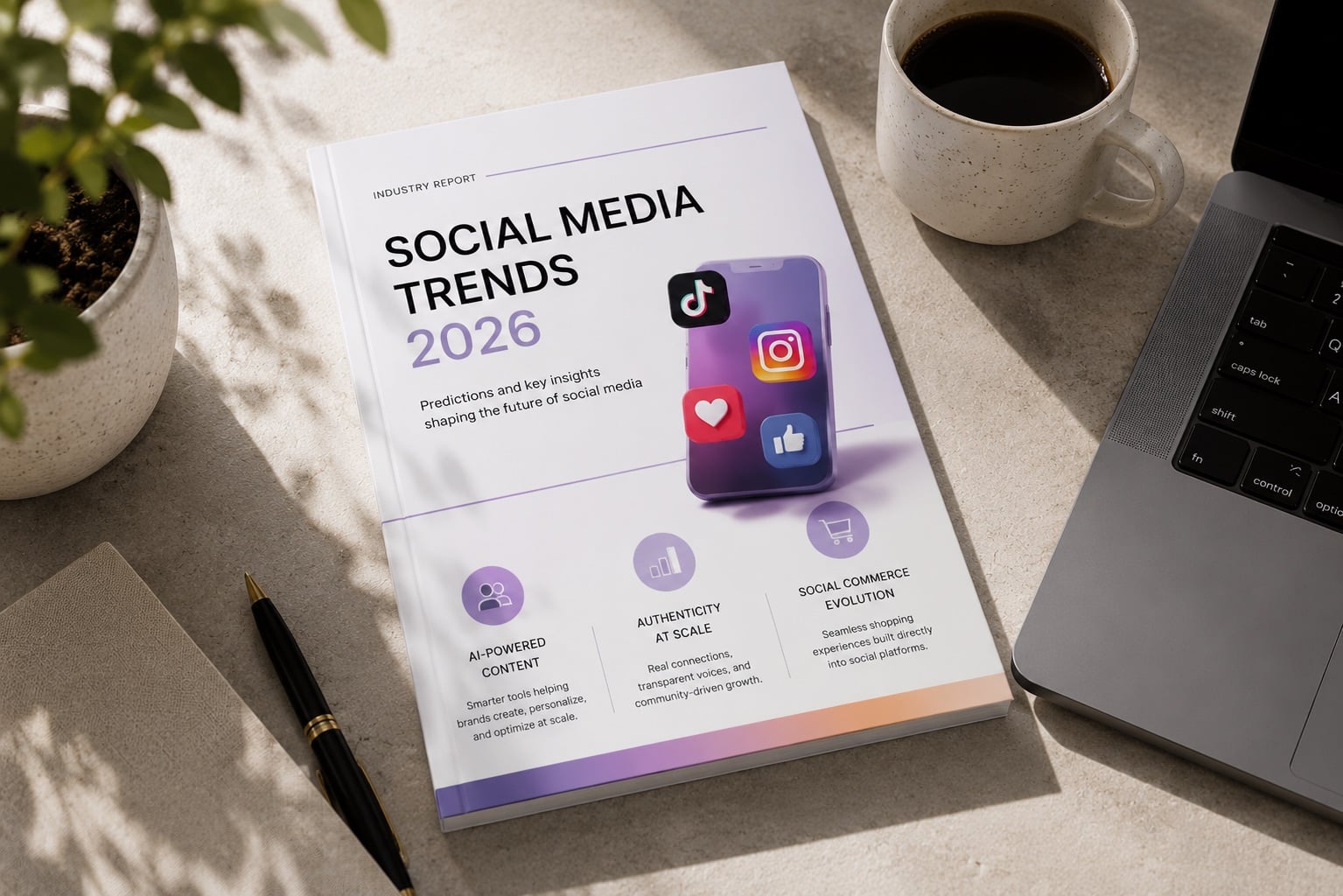
Every year, marketing platforms release lengthy reports predicting the future of social media.
Interesting? Sure.
Useful for the average business? Not always.
Most of these reports are designed for companies with entire in-house marketing teams of at least 10 people. They assume someone on staff is managing paid advertising, someone else is editing videos, another person is writing copy, and another is responding to comments… but if you’re running a small restaurant, cafe, yoga studio, med spa, or other lifestyle business, you’re probably juggling social media alongside everything else.
The reality is that about 80% of these predicted social media trends for business are simply noise.
Your customers aren’t wondering whether your brand has embraced the newest platform. They’re deciding whether they trust you enough to book an appointment, visit your restaurant, or recommend you to a friend.
Fortunately, the trends that actually drive business today are surprisingly practical and are ones that don’t require a massive budget.
The 5 Social Media Trends That Actually Matter for Lifestyle Businesses

1. Founder-Led Content Beats Brand-Led Content
Consumers have become incredibly good at recognizing polished corporate content, and even better at scrolling past it.
Instead, they’re connecting with the people behind the brand. Think about some of the brands you already follow online. Chances are, you don’t just know the business. You also know the founder or people behind it. That personal connection builds trust much faster than another professionally designed graphic ever could.
The best part? Founder-led content doesn’t need to be complicated.
Some of today’s highest-performing videos are also the simplest: one person talking directly to the camera for 30 to 60 seconds. Aim to show up on camera three to five times a week, sharing everything from your daily routine and behind-the-scenes moments to the story behind your business, lessons you’ve learned, or common customer questions.
It’s true that people buy into personalities long before they buy products.
2. Short-Form Vertical Video Is Still the Entire Game
Despite countless predictions about the “next big thing,” short form video marketing continues to dominate.
From Instagram Reels to TikToks and YouTube Shorts, people want quick, entertaining, and educational videos they can consume in under a minute (or less).
That also doesn’t mean every video needs to go viral. In fact, some of the best-performing content barely feels like marketing. Instead of filming an elaborate commercial, think about documenting what already happens during your day.
For example, if you’re a restaurant owner—show a clip of pizza coming out of the oven. If you’re a med spa owner—explain one treatment in 45 seconds.
The beauty of short form video marketing is that consistency almost always beats perfection. Three short videos each week is a much better strategy than spending three weeks producing one cinematic masterpiece.
3. The “Boring Brand” Comeback Is Real
Ironically, some of the least polished content online is generating the biggest engagement, also known as the “boring brand” trend.
No expensive camera, no dramatic transitions, no overly scripted dialogue. Just everyday moments.
Customers have grown tired of advertisements disguised as content. Instead, they’re gravitating toward businesses willing to show what real life actually looks like.
Think restocking shelves, packaging customer orders, cleaning up after a busy day, or even funny behind the scenes moments that would normally never make Instagram. This type of content works because it feels honest, and it reminds customers that there are real people behind every order, appointment, or reservation.
As it turns out, the less you try to look like an advertisement, the more people actually pay attention.
4. Micro-Creator Collaborations Are Replacing Traditional Influencer Marketing
Not long ago, brands wanted influencers with hundreds of thousands of followers. Today? Many businesses are seeing stronger results by partnering with creators who have between 2,000 and 30,000 highly engaged followers.
Welcome to the era of creator collaborations.
Instead of paying one large influencer thousands of dollars for a single sponsored post, many businesses are rotating several smaller creators every few months.
Don’t just look for influencers with the biggest audience, look for the most relevant one. The creator who regularly recommends neighborhood restaurants may drive far more reservations than someone with half a million followers.
Aim to build relationships with around five micro-creators each month instead of treating collaborations as one-off campaigns.
5. Comments and DMs Are Becoming Your New Top-of-Funnel
If you ask any social media manager, posting content is only half the job. The conversation afterward matters just as much.
Social platforms increasingly reward businesses that actively engage with their communities. That means replying to comments and direct messages, answering questions, and even reacting to stories.
Think of comments and DMs as your digital front desk.
If someone sends a DM asking about pricing and receives a thoughtful reply within a couple of hours, you’ve just created a potential customer experience before they ever walk through your doors.
Many marketers recommend responding to comments and DMs within about two hours whenever possible. It’s not because every reply needs to be immediate, but because early engagement often helps extend a post’s reach. It also shows customers that there’s a real person behind the account.
The faster, friendlier, and more conversational your responses are, the more likely people are to trust your business.
Trends Every Agency Is Pushing That You Can Ignore
Not every new feature deserves your attention. If you’re working with limited time and resources, it’s okay to skip a few trends…
AI-generated brand content
While AI is a helpful brainstorming and editing tool, customers can usually tell when there’s no human personality behind the content.
Every new platform launch
You don’t need to be everywhere. Just because a new platform like Threads launches doesn’t mean your practice needs to jump on it immediately. Master one platform before adding another. A strong presence on one channel will always outperform a scattered presence across five.
Newsletter cross-posting as LinkedIn carousels
If your audience isn’t spending time on LinkedIn, don’t force content there simply because it’s trendy.
Branded Spotify playlists
Unless music is central to your brand experience, your time is probably better spent making another Reel.
Pinterest for non-visual businesses
Pinterest is still valuable for businesses that include home designs, weddings, travel, fashion, recipes, and DIY. But if you’re running a neighborhood yoga studio or local restaurant, chances are Pinterest is not where your next customer is searching.
The 90-Day Social Reset

If you’re looking to revamp your social media strategy, we don’t recommend trying to change everything overnight. Instead, here’s a simple roadmap.
Weeks 1–2: Pick One Platform
- Choose the platform where your audience is already spending time. For many businesses, that’s Instagram.
- Stop trying to keep five platforms active at once.
- Consistency on one platform beats inconsistency on all of them.
Weeks 3–4: Commit to Vertical Video
- Create at least three vertical videos each week.
- Focus on education, entertainment, and personality, not perfection.
- Don’t overthink.
Weeks 5–8: Build Your Creator List
- Identify 20–30 local micro-creators who you would genuinely enjoy working with.
- Engage with their content before pitching a collaboration.
- Think relationships, not transactions.
Weeks 9–12: Create an Engagement Habit
- Block off 20–30 minutes each day to respond to comments and DMs.
- Be intentional. Leave thoughtful comments on other local businesses’ content.
- Social media is called “social” for a reason.
Frequently Asked Questions
Which social platform should my business focus on first?
For most lifestyle businesses, Instagram remains the strongest all-around platform because it combines Reels, Stories, photos, direct messaging, and local discovery. If your audience skews younger, TikTok is worth adding once you’ve established a consistent Instagram presence.
I’m camera shy. Do I have to be on video?
Not necessarily, but showing your face definitely helps build trust much faster than product photos alone. You can start small by filming quick voiceovers, sharing day-in-the-life clips, or introducing yourself in simple talking-head videos. It might feel overwhelming at first, but confidence comes with practice!
How many times should I post each week?
Aim for at least three short-form videos each week, supplement them with stories throughout the week, and mix in photos or carousel posts when they add value. A realistic schedule you’ll actually stick to will outperform an ambitious plan you abandon after two weeks—and while quality matters, consistency matters more.
Should I invest in paid social ads?
Paid ads can absolutely work, but they’re most effective when paired with strong organic content. If your social profiles feel inactive or your videos aren’t connecting with your audience, focus on building that foundation before increasing your ad spend.
How do I find micro-creators?
Start by searching location tags, relevant hashtags, and businesses your ideal customers already follow. Look for creators with engaged communities rather than the biggest follower counts. Someone with 5,000 local followers who regularly responds to comments and sparks conversations can often drive better results than a creator with 100,000 followers and low engagement.
The Takeaway
You don’t need expensive production or every new feature that comes along. Focus on creating authentic behind the scenes content, embrace founder-led marketing, invest in meaningful creator collaborations, and stay consistent. More often than not, that’s what turns casual followers into loyal customers.
When in doubt, ask yourself one simple question: Would I stop scrolling to watch this? If the answer is yes, you’re probably already on the right track.

Jamie Honowitz is an editorial contributor for Dish Miami. A passionate foodie with a love for travel and discovering new places, Jamie enjoys exploring Miami’s evolving dining and lifestyle scene and sharing the experiences that stand out most.
View all posts →Related Stories
Dish Miami: Where Miami’s Most Compelling Businesses Stay Top of Conversation

The Essential Marketing Checklist Every Lifestyle Business Needs in 2026