Why the Most Successful Wellness Brands Are Building Community First (Before They Sell Anything)

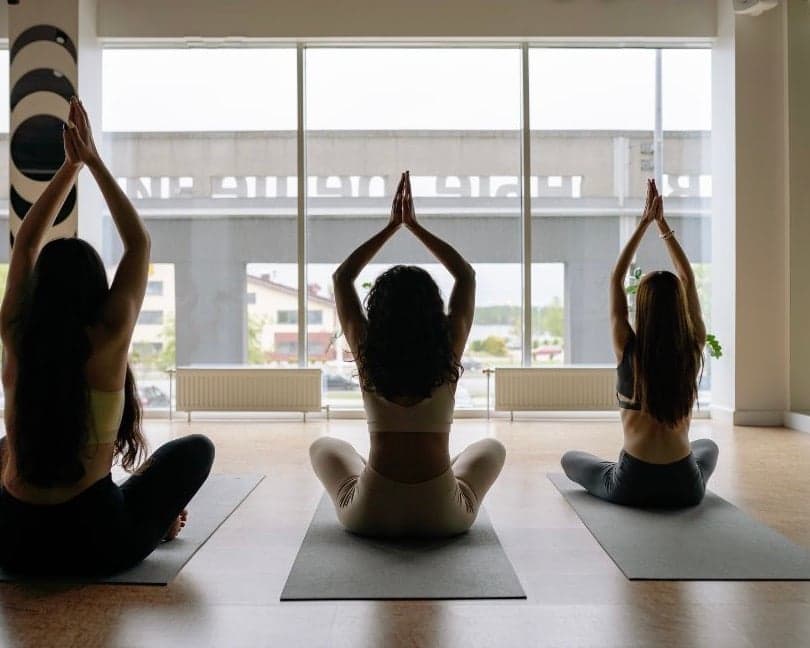
Wellness brands are no longer just selling workout classes or memberships. They are selling a sense of belonging and shared lifestyle experiences.
Over the past few years, some of the industry’s most influential brands have started behaving less like traditional retailers and more like experience creators. Think about Alo Yoga: beyond selling athletic wear, Alo also hosts mindfulness activations and creator-led wellness experiences that draw crowds. Similarly, Nike continues investing heavily in run clubs, training communities, and experiential fitness programming.
They understand something many businesses are only beginning to realize: consumers no longer want transactional relationships with wellness brands. They want identity, participation, and emotional connection.
That shift is completely reshaping wellness marketing.
Why Wellness Marketing Broke in 2023
For years, the industry relied on a relatively predictable formula: launch a product, run paid ads, hire influencers, optimize conversion funnels, repeat. The model worked, until it didn’t.
By 2023, customer acquisition costs skyrocketed, audiences became increasingly desensitized to sponsored wellness content, and influencer trust weakened. Even beautifully branded wellness companies with strong products found themselves struggling to maintain attention, let alone loyalty.
The problem was not necessarily the products themselves, but the assumption that consumers still wanted to engage with brands the same way they did five years ago. Much of wellness marketing began feeling repetitive, overly optimized, and emotionally disconnected.
At the same time, brands relying heavily on paid acquisition realized they were renting attention rather than building lasting loyalty.
That shift is exactly why the idea of the “post-product brand” feels especially relevant right now. Instead of focusing solely on selling a physical product, brands are building entire lifestyles, communities, and philosophies that people want to be part of. The product still matters, but it becomes part of a much bigger story.
The wellness brands that stand out today understand that the real differentiators are no longer the products alone, but the sense of community they create around them.
What “Community First” Actually Means (Not What You Think)
In Miami alone, spaces like SoulCycle, Solidcore, and Anatomy are no longer simply selling workouts or recovery amenities; instead, they are cultivating routines and recognizable identities that customers genuinely want to be part of.
Many wellness businesses might assume that “community” means creating Slack groups and online chats, launching loyalty programs, or initiating occasional activations. While those tools can support a community, they are not the community itself.
A true community-driven brand is built around recurring participation. People return because the experience becomes part of their routine.
Miami’s growing wellness scene reflects how today’s consumers are seeking participation and community beyond just workouts. Think about businesses like The Ice Room and Alive Miami that are thriving, and for good reason. The most successful wellness brands today are no longer functioning purely as businesses selling products or memberships, but as ecosystems that customers want to join.
The 4 Pillars of a Community-First Wellness Brand
Behind nearly every successful community-driven wellness brand are four core pillars that create long-term loyalty.
1. A Ritual You Own
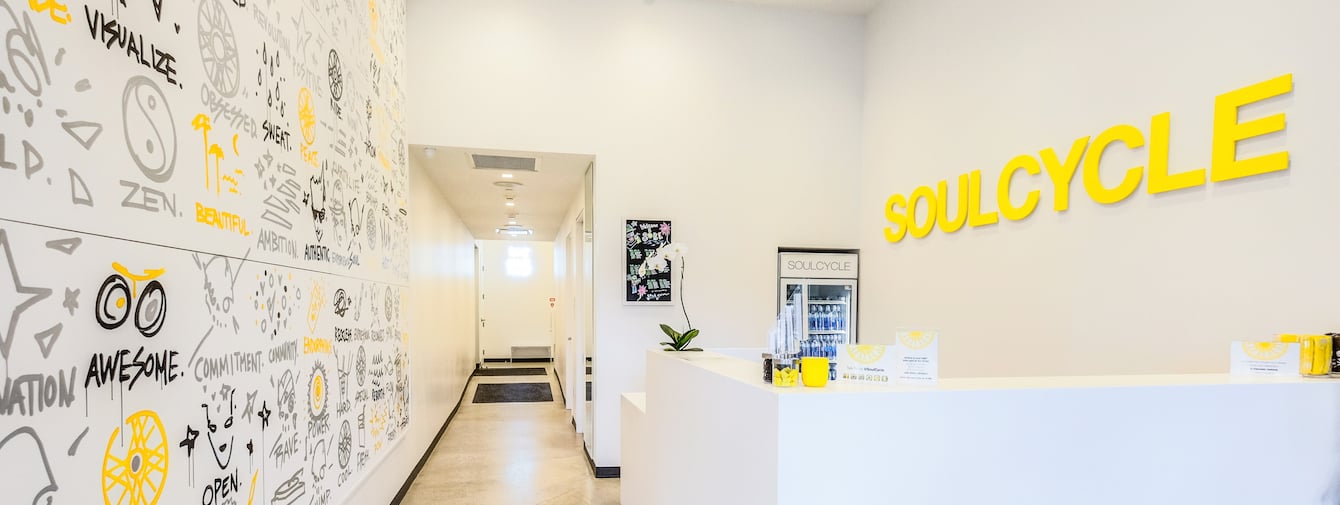
Every successful wellness brand owns a ritual that creates emotional reinforcement and shared experiences among customers.
For example, the instantly recognizable energy of a SoulCycle class or the high-intensity strength training experience at Solidcore. The high-energy classes, music, lighting, and instructor cadence all contribute to emotional familiarity. Over time, the ritual and feeling people associate with the experience become even more valuable than the original product itself.
The Miami Ice Club is another experience that shows how ritual can become the foundation of a wellness brand. Held weekly across neighborhoods like Brickell and South Beach, the Miami Ice Club experience is designed around consistency and shared practice. What keeps people returning is not just the cold plunge itself, but the ritual surrounding it.
2. A Founder at the Center
Many of today’s strongest wellness brands succeed because customers feel personally connected to the founder’s routines and overall philosophy. The emotional connection behind the brand often creates far deeper loyalty than polished advertising campaigns alone.
Today, founders are becoming much more visible parts of the brand experience itself by openly sharing their day-to-day routines and perspectives in ways that feel personal and relatable.
This shift also explains why creator-aligned wellness brands are growing so quickly right now. Beyond the products and memberships, consumers are buying into the lifestyle, identity, and philosophy surrounding the founder behind the brand.
Jetset Pilates founder Tamara Galinsky has helped build a strong brand identity by sharing her passion for movement, wellness, and consistency, allowing members to connect not only with the workout itself but with the philosophy behind it.
Similarly, Anatomy has built a strong founder-led identity by positioning wellness as a complete lifestyle rather than simply a fitness routine. Founders Marc Megna and Chris Paciello are recognized for creating a positive, welcoming, high-energy, community-centered culture, giving members the sense of camaraderie and belonging many consumers are actively seeking today.
3. A Third Place
The concept of the “third place,” introduced by sociologist Ray Oldenburg, is especially important here. Oldenburg argued that people naturally seek spaces outside of home and work where connection happens organically, like cafes, neighborhood restaurants, and other public gathering spaces.
Today, many wellness brands are becoming modern third places.
Wellness brands increasingly function as social infrastructure, especially in cities like Miami, where wellness culture often overlaps with hospitality, food, and lifestyle experiences.
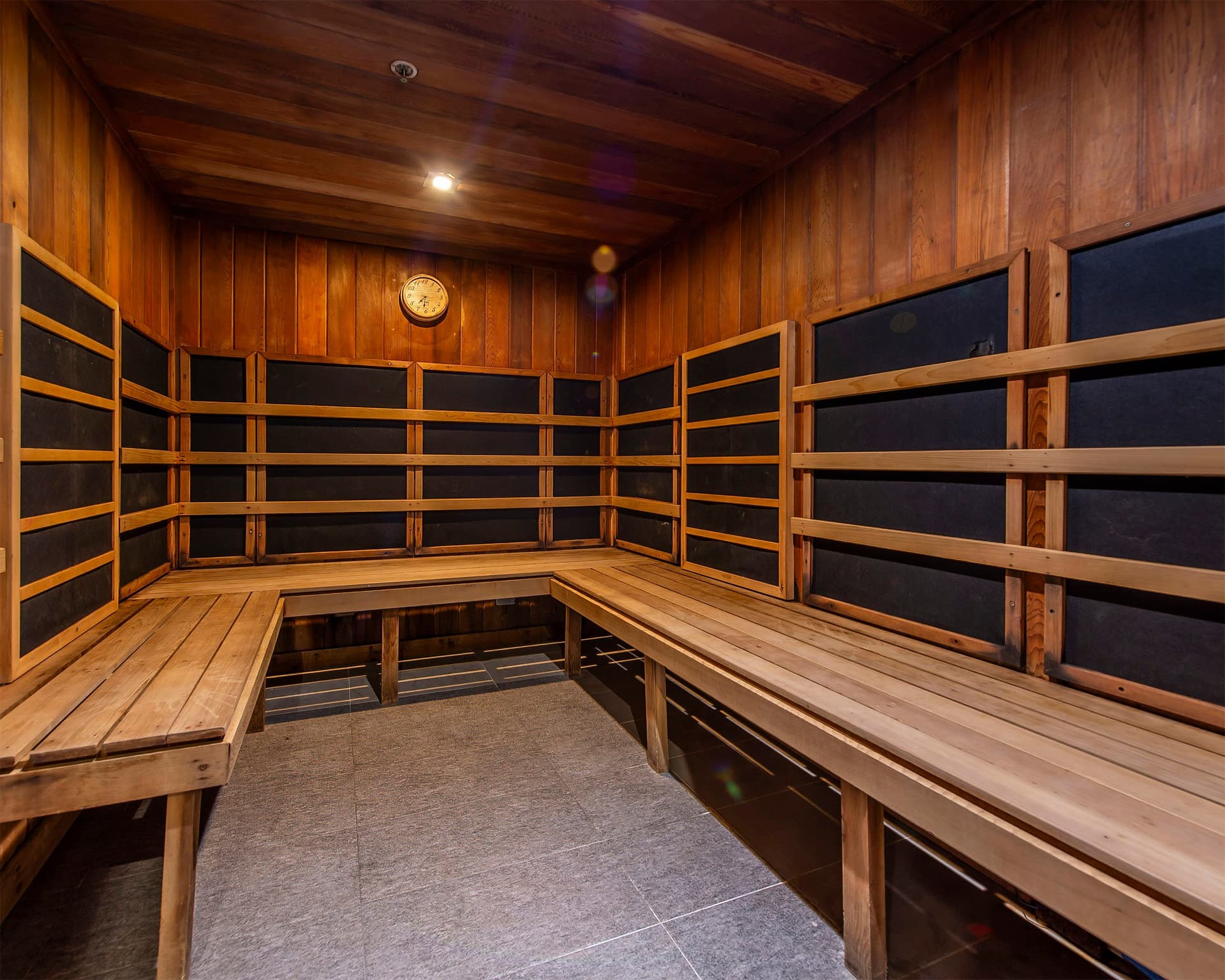
For example, a place like The Standard Spa in Miami Beach succeeds because it extends beyond spa services. Its vibrant social scene and resort amenities—including a cedar sauna, Turkish-style hammam, and arctic plunge—all contribute to an experience that people want to return to, one built as much around connection and atmosphere as the services themselves.
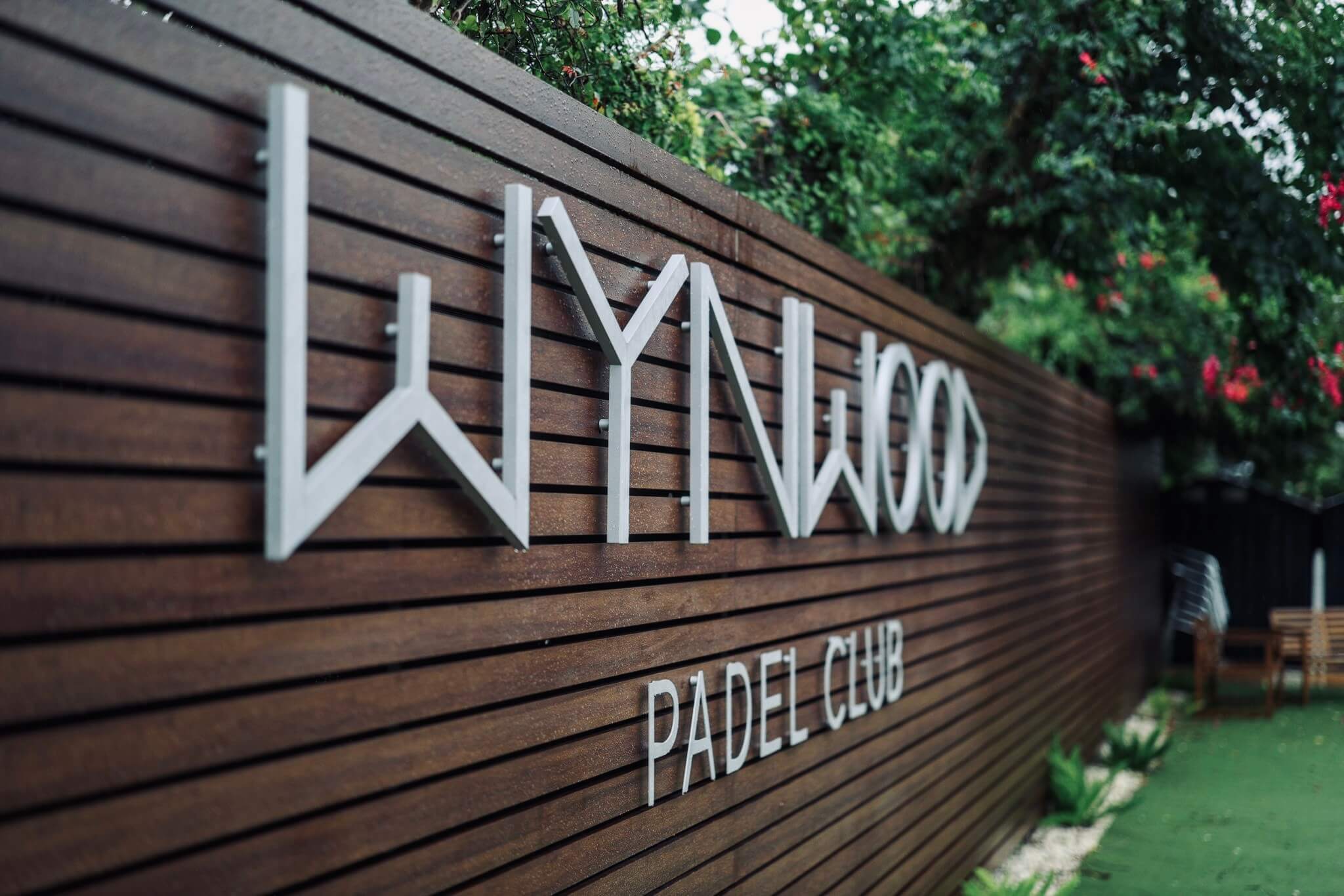
Similarly, wellness-oriented gathering spaces around Wynwood, including Wynwood Padel Club, blur the line between fitness destination, social club, and lifestyle. With outdoor courts, a restaurant and cafe, lounge areas, and a sunset deck, the space is designed to encourage people to stay long after the workout ends. Members can play matches, then grab food or drinks and connect with others, creating an experience that feels as social as it does fitness-focused.
It’s increasingly clear that the strongest wellness businesses are no longer isolated experiences. Brands that incorporate spaces like juice bars, or that are intentionally positioned near post-workout cafes and healthy restaurants near the studio, all strengthen community density around the brand.
In other words, the brand becomes a place people naturally orbit around socially, something competitors cannot easily replicate through paid advertising alone.
4. A Story That Compounds
Many wellness brands focus too heavily on short-term campaigns instead of building long-term narratives. Campaigns may generate temporary attention, but stories give customers something to emotionally invest in and follow over time.
The brands creating the strongest loyalty today feel bigger than any single product, class, or marketing moment. Solidcore is a strong example of this. Over time, the brand has built cultural momentum through consistent routines, community participation, and customer storytelling. The experience extends far beyond the workout itself because customers feel connected to an evolving identity and community.
Why This Outperforms Paid Acquisition
A paid customer often disappears the moment advertising stops, while a community-driven customer becomes part of the marketing engine itself.
As acquisition costs continue rising across social platforms, brands built primarily on paid advertising become more fragile. Community-led brands, however, create a more durable growth loop where each retained customer strengthens the ecosystem around them.
In many cases, community-driven customers become significantly more valuable over time compared to purely transactional customers. In wellness especially, emotionally connected customers participate more consistently, refer friends organically, and create user-generated content that reinforces the brand further.
Since wellness behavior is inherently social, people are far more likely to maintain routines when accountability, participation, and relationships are involved.
A 90-Day Playbook for Small Wellness Brands
The good news is community-first branding does not require massive budgets. In fact, smaller wellness businesses often have an advantage because intimacy scales better in early-stage communities.
Here is a practical 90-day framework for implementing a community-led growth strategy.
Month 1: Define the Ritual
Rather than focusing solely on what product or service to sell, start by creating one repeatable experience customers can emotionally attach to, such as weekly run clubs, recovery Sundays, or post-workout social gatherings.
The ritual should feel accessible and consistent. At this stage, prioritize community and connection over monetization.
Month 2: Build the Room
Community-first wellness marketing should focus on capturing the energy, participation, and identity of the brand rather than constant product selling.
Similarly, your social presence should feel less like a storefront and more like a living environment. Document recurring people, rituals, conversations, and founder interactions.
Importantly, customers should be able to easily visualize themselves inside that community.
Month 3: Layer the Product After 50+ Regulars

Only after you establish consistent participation should you layer monetization.
Once you have roughly 50 or more recurring community participants, memberships and merchandise become significantly easier to sell because trust and identity already exist. The product stops feeling like a sales pitch because customers already emotionally bought into the brand itself.
By that point, customers are no longer just buying a product—they are buying into the community behind it.
FAQ
How long does community-led growth take?
Longer than paid ads initially, but significantly more durable over time. Most brands see early momentum within 60-90 days when rituals and founder participation remain consistent.
Do wellness brands need a physical space?
Not necessarily. While physical spaces can accelerate relationship-building, digital-first wellness communities can still thrive through recurring rituals, events, and consistent interaction.
Can e-commerce wellness brands use this model?
Absolutely. Many creator-led wellness businesses already operate this way through newsletters, run clubs, educational content, and other rituals that make participants feel connected.
How can wellness brands focus on authenticity?
The strongest wellness communities are built through consistency and genuine connection over time. Consumers are increasingly drawn to brands that feel human, emotionally engaging, and rooted in a clear sense of identity and purpose.
Rather than focusing just on selling products, successful wellness brands create environments people genuinely want to return to. Ultimately, the future of wellness marketing will belong to brands that stop thinking like advertisers and start thinking like community builders.
What role does editorial coverage play?
Editorial coverage can help validate and amplify community momentum externally. When wellness brands are consistently featured across local lifestyle and wellness publications, it reinforces credibility while helping new audiences discover the ecosystem behind the brand.
This is especially relevant in cities like Miami, where the wellness culture is thriving. Strong editorial storytelling can help position a wellness brand as part of a broader cultural conversation rather than simply another business selling a product.
TAGS

Related Stories
Cold Plunge and Sauna Miami: The Wellness Recovery Guide
Dish Miami: Where Miami’s Most Compelling Businesses Stay Top of Conversation
Social Media Trends Business Owners Should Actually Pay Attention To In 2026