New Construction Condos in Miami: 2026 Buyer’s Guide

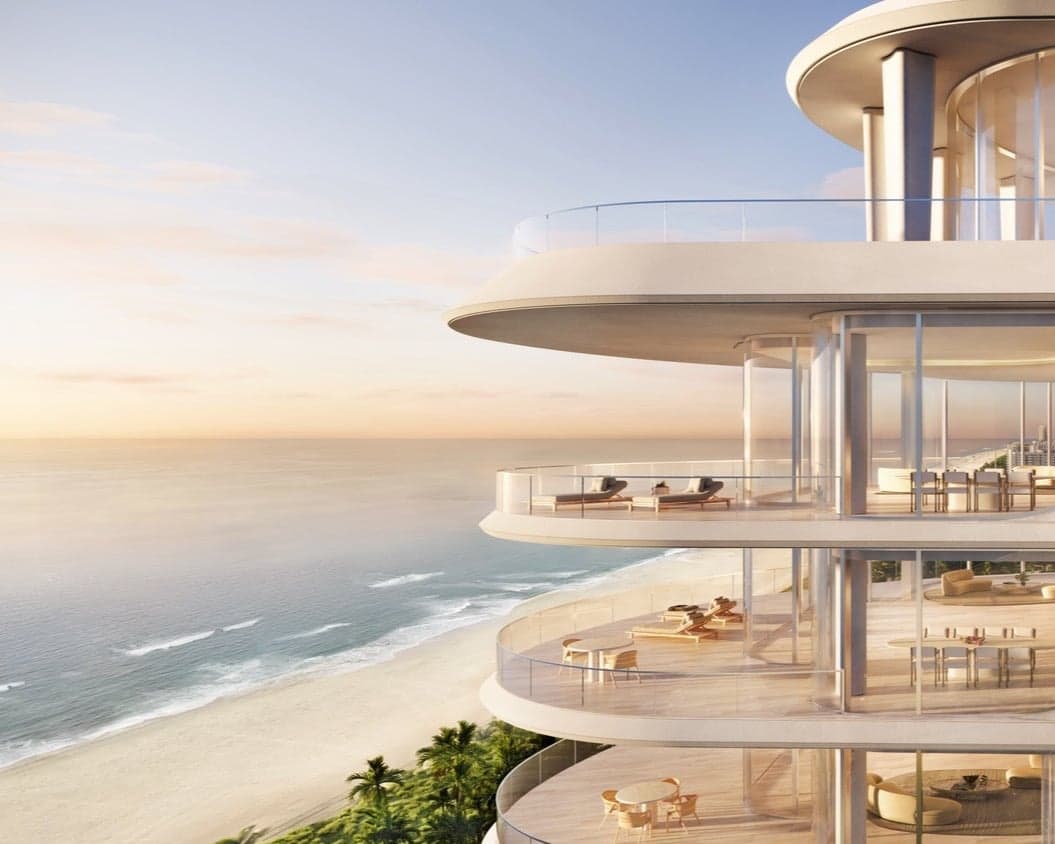
From branded residences to boutique waterfront developments, Miami’s condo market is more crowded—and more competitive—than ever.
Miami remains one of the country’s most active markets for new condominium development, though the frenzy of the post-pandemic boom has evolved into a more selective, buyer-driven environment.
Buyers are approaching purchases with greater scrutiny, paying closer attention to developer track records, deposit structures, insurance costs, building reserves, and long-term neighborhood fundamentals. That scrutiny matters as Miami’s broader condo market adjusts to increased inventory and the financial pressures facing many older buildings.
New construction, however, remains its own distinct segment, with newer buildings, branded residences, and prime waterfront projects often commanding significant premiums over the broader resale condo market. Some of the strongest 2026 inventory is concentrated in Brickell, Downtown, Edgewater, Coconut Grove, the Design District, and Miami Beach, with branded residences from Mandarin Oriental, Four Seasons, St. Regis, Waldorf Astoria, Cipriani, and Aman commanding higher premiums over comparable non-branded buildings.
To help make sense of the market, Dish Miami spoke with ONE Sotheby’s Anna Sherrill, a longtime Miami real estate advisor who has worked in the market since 2000. With her insights, we’re taking a closer look at what buying new construction in Miami really looks like in 2026.
From where to buy and which projects are worth watching to financing, closing costs, contracts, and potential red flags, here’s what to consider before making a purchase.
What Counts as “New Construction” in Miami?
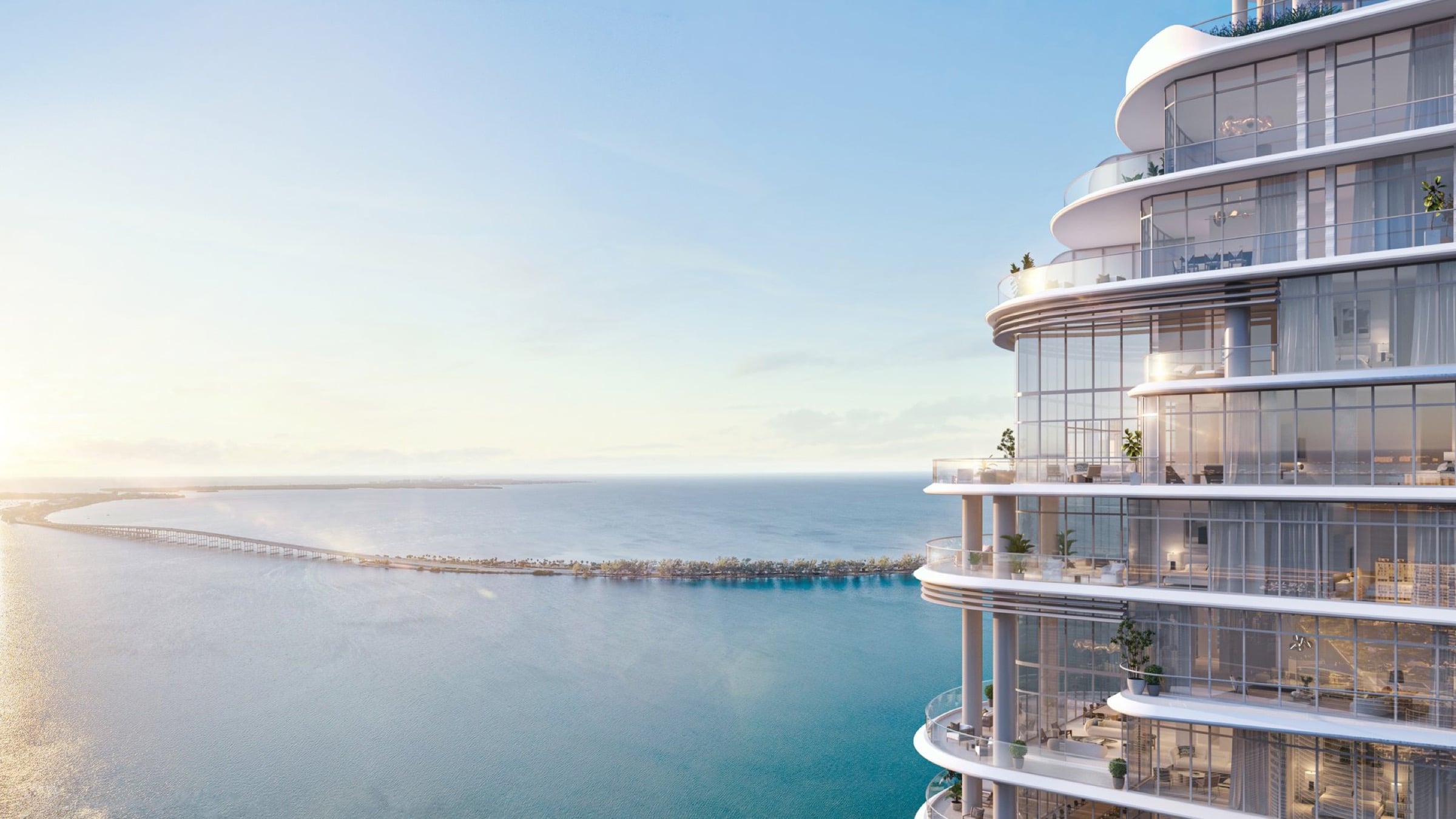
New construction generally refers to condos that are still in the planning or construction phase, as well as newly completed buildings where residences are being sold for the first time. That means buyers could be purchasing from renderings years before move-in, walking through a building that’s nearly finished, or buying in a tower that has just been delivered. Understanding where a project falls in that timeline matters, since everything from deposit schedules and financing to pricing, risk, and how quickly you can move in can look very different at each stage.
Let’s take a closer look:
- Pre-construction: Projects that have launched sales but have not yet been completed. Buyers can purchase based on floor plans, renderings, and projected delivery dates.
- Under construction: Buildings actively being developed where vertical construction is underway but units have not yet been delivered.
- Recently delivered: Buildings that have received a Temporary Certificate of Occupancy (TCO) within the past 24 months and are considered newly completed inventory.
Each option offers a different risk and reward profile, with pre-construction typically offering the greatest appreciation potential and recently delivered buildings providing the highest level of certainty.
New Construction Condos by Miami Neighborhood
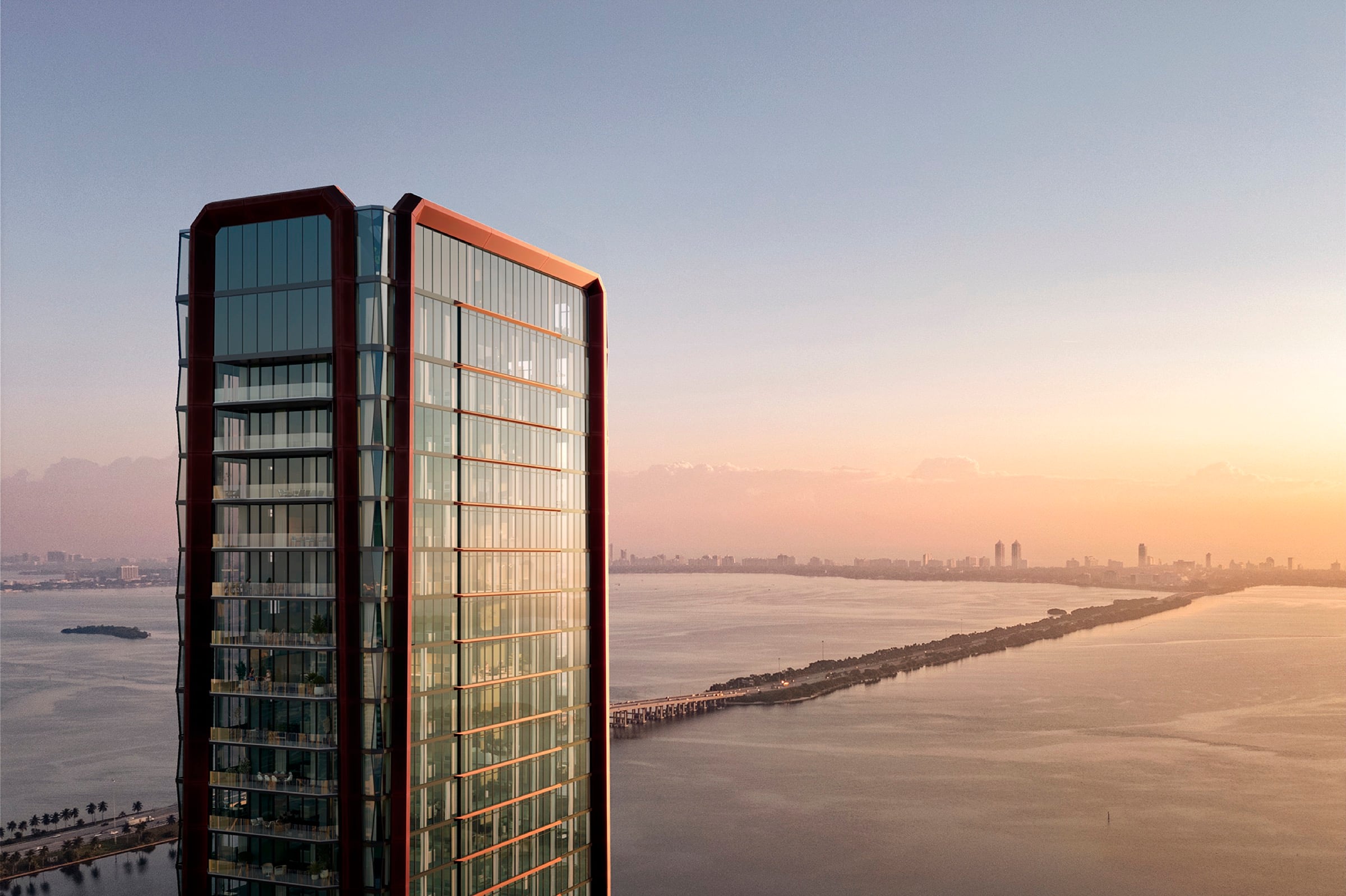
From Downtown Miami and Brickell’s walkable urban core to new oceanfront towers on Miami Beach and boutique luxury developments in Coconut Grove, each submarket offers a distinct lifestyle, pricing profile, and investment outlook.
Understanding neighborhood dynamics, including what new construction actually costs per square foot, is often just as important as evaluating the building itself.
Brickell
Average pricing: Approximately $2,300–$2,800 per square foot
Brickell—or “Wall Street South”—remains the center of Miami’s luxury condo boom. If you want to be in the middle of the action, this is it. The neighborhood combines sleek high-rises with some of the city’s best restaurants, nightlife, shopping, and walkability.
“Brickell has exploded,” Sherrill says. “It’s a completely different neighborhood… I think it’s really exciting. It feels like our own little New York City.”
Notable developments include St. Regis Brickell, Cipriani Residences, and Mandarin Oriental Residences in Brickell Key.
Brickell is especially popular for young professionals relocating from cities like New York, Chicago, and San Francisco, as well as international buyers looking for a true live-work-play lifestyle.
The biggest risk? Oversupply. A large percentage of Miami’s planned condo inventory is concentrated in the area, which means buyers can expect continued competition among developers and potentially slower appreciation in heavily saturated segments.
Coconut Grove
Average pricing: Approximately $2,000–$4,000 per square foot
Coconut Grove remains one of Miami’s most established and supply-constrained luxury residential markets. The neighborhood is more laid-back and feels more community-oriented than the hustle of Miami’s other booming neighborhoods.
Standout projects include the Four Seasons Private Residences and The Well Coconut Grove, both of which emphasize wellness, privacy, and luxury service.
The Grove continues to attract affluent end-users seeking a quieter alternative to Brickell and Miami Beach, along with professionals and young families who value walkability and green space. Unlike some investor-heavy submarkets, Coconut Grove tends to attract long-term owners and primary residents.
The biggest risk? Limited land availability and strict zoning restrictions. Expect significantly higher entry points compared to many other Miami neighborhoods.
Coral Gables
Coral Gables offers a different proposition from Miami’s high-rise waterfront markets. Known for its historic architecture and established residential neighborhoods, the area generally appeals to buyers who want the benefits of new construction without giving up a more traditional neighborhood feel.
New construction in Coral Gables is more boutique than boomtown. Instead of rows of high-rise towers, buyers will find a smaller collection of upscale projects with spacious residences. And then there’s the neighborhood itself: Miracle Mile, the Shops at Merrick Park, and a deep restaurant bench right outside your door.
The biggest consideration? Limited inventory. Coral Gables has far fewer new-construction condo options than Miami’s urban core, so buyers looking for a specific size or price point may have fewer projects to choose from.
Design District / Midtown
This submarket continues to emerge as one of Miami’s most lifestyle-driven luxury residential areas, centered around fashion, art, dining, and walkability. The vibe in the Design District and Midtown is polished and highly curated, offering residents a front-row seat to some of Miami’s best restaurants, shopping, galleries, and cultural experiences.
Projects like Anantara Residences and Kempinski Residences are helping define the neighborhood’s ultra-modern residential identity with architecture-forward design, curated amenities, and boutique-style living.
The biggest risk? Inventory remains relatively limited compared to demand. While that scarcity can help support pricing, it can also mean fewer resale transactions and less comparable sales data when it’s time to buy or sell.
Downtown
In recent years, Downtown Miami has benefited from significant investment driven by Miami Worldcenter, the Brightline, and a growing residential population. The area offers some of the city’s most ambitious new developments while maintaining comparatively accessible entry pricing.
Notable projects include Waldorf Astoria Miami, Aston Martin Residences, E11EVEN Residences, and 501 First, which received its Temporary Certificate of Occupancy within the past year.
The vibe here is distinctly urban and energetic, attracting buyers who want walkability, convenience, and immediate access to Miami’s entertainment, dining, and business districts. The neighborhood is also especially appealing to investors and second-home buyers.
The biggest risk? Downtown is evolving fast, which means today’s view and even the feel of a particular block may look very different a few years from now. Buyers should look closely at surrounding development plans, not just the building they’re buying into.
Edgewater
Average pricing: Approximately $1,800–$2,000 per square foot
Edgewater has quietly become one of Miami’s fastest-growing luxury residential neighborhoods. Think of it as Brickell’s quieter, waterfront neighbor, offering luxury high-rise living with a slower pace and a stronger neighborhood feel.
With close proximity to Downtown, the Design District, and Miami Beach, Edgewater tends to appeal to both end-users and investors seeking long-term growth potential. Many buyers are drawn to the neighborhood’s combination of waterfront living plus luxury amenities at new buildings, often at a more attractive price point than Miami Beach or Coconut Grove. Standout projects here include Aria Reserve and Major Food Group’s Villa Miami.
The biggest risk? The neighborhood is still growing. New luxury towers continue to break ground across Edgewater, which means you can expect ongoing construction and more inventory coming online over the next several years.
Fisher Island
Fisher Island sits at the very top of Miami’s luxury market. Accessible only by ferry, yacht, or private transportation, the private island offers a level of privacy and exclusivity that’s difficult to replicate elsewhere in South Florida, and its limited inventory comes with some of the highest prices per square foot in the region.
New construction is exceptionally scarce, which makes projects like The Residences at Six Fisher Island notable. Buyers at this level are looking beyond standard luxury amenities, with expansive residences, waterfront views, and private services that all contribute to the premium.
The biggest consideration? The cost of entry extends well beyond the purchase price. Association fees, club membership, transportation, and the ongoing costs associated with island living can be substantial, making Fisher Island a market best suited to buyers prioritizing privacy and exclusivity over value per square foot.
Miami Beach
Average pricing: Approximately $4,500–$6,000 per square foot
Miami Beach continues operating within a category of its own, offering some of South Florida’s most prestigious oceanfront real estate. Buyers are purchasing not only a residence, but a lifestyle. Think direct beach access, exclusivity, and global prestige.
That luxury landscape is also entering another period of transformation. Sherrill points to the stretch of Miami Beach running from around Lincoln Road north toward the Faena District, where a new generation of five-star hotel and residential projects is taking shape. Aman, Casa Cipriani, The Shore Club Resort & Residences, Auberge Collection, Rosewood at The Raleigh, Rivage Bal Harbour, Ocean Terrace, and other hospitality names are creating what she sees as an increasingly connected luxury corridor.
The biggest risk? Ownership costs. Insurance premiums, reserve funding requirements, and waterfront maintenance expenses continue increasing, making due diligence particularly important for luxury buyers.
Sunny Isles
One of the strongest international luxury condo markets in South Florida is Sunny Isles. The vibe here feels distinctly resort-like, with many buildings offering the kind of amenities and service you’d expect from a five-star hotel.
Developments like Bentley Residences, St. Regis Sunny Isles, and the planned 62-story tower from Related Group, Dezer Development, and BH Group continue pushing both pricing and amenity offerings higher.
Sunny Isles appeals heavily to international buyers, second-home owners, and affluent purchasers looking for turnkey beachfront living without sacrificing luxury or convenience.
The biggest risk? There’s plenty of investor activity here, which can mean more competition when it comes time to resell.
Wynwood
Anyone who has recently been to Miami knows that Wynwood has rapidly evolved from an arts district into an emerging residential neighborhood with a growing pipeline of condo developments.
Projects like NoMad Residences Wynwood and Frida Kahlo Wynwood Residences reflect the area’s shift toward lifestyle-oriented luxury living aimed at younger buyers and creative professionals.
The neighborhood appeals strongly to those prioritizing walkability, restaurant access, nightlife, and cultural energy, particularly those seeking a more design-forward and socially connected lifestyle within Miami’s urban core.
The biggest risk? Wynwood remains one of Miami’s more speculative residential markets. Limited green space, evolving infrastructure, and uncertainty around long-term residential identity are all factors that buyers should carefully consider before purchasing here.
Pre-Construction vs. Resale: Which Makes Sense in 2026?
One of the biggest decisions buyers face today is whether to purchase pre-construction inventory, recently delivered new resale inventory, or older resale condominiums.
Each category comes with a very different risk-reward profile, so let’s dive into what buyers should know before making a decision.
| Category | Pros | Cons | Best For |
|---|---|---|---|
| Pre-construction | Newest finishes, staged deposits, appreciation potential before delivery | Construction risk, delayed timelines, limited certainty | Long-term buyers and higher-risk investors |
| Newly delivered resale | Immediate occupancy, modern construction, easier evaluation | Higher upfront pricing, less appreciation runway | Buyers wanting newer product without the wait |
| Older resale (10+ years) | Established building history, more resale data, often larger floor plans | Potential assessments, higher maintenance and insurance costs, age-related repairs or upgrades | Buyers who prioritize space and an established property |
Branded Residences vs. Non-Branded: Is the Premium Worth It?
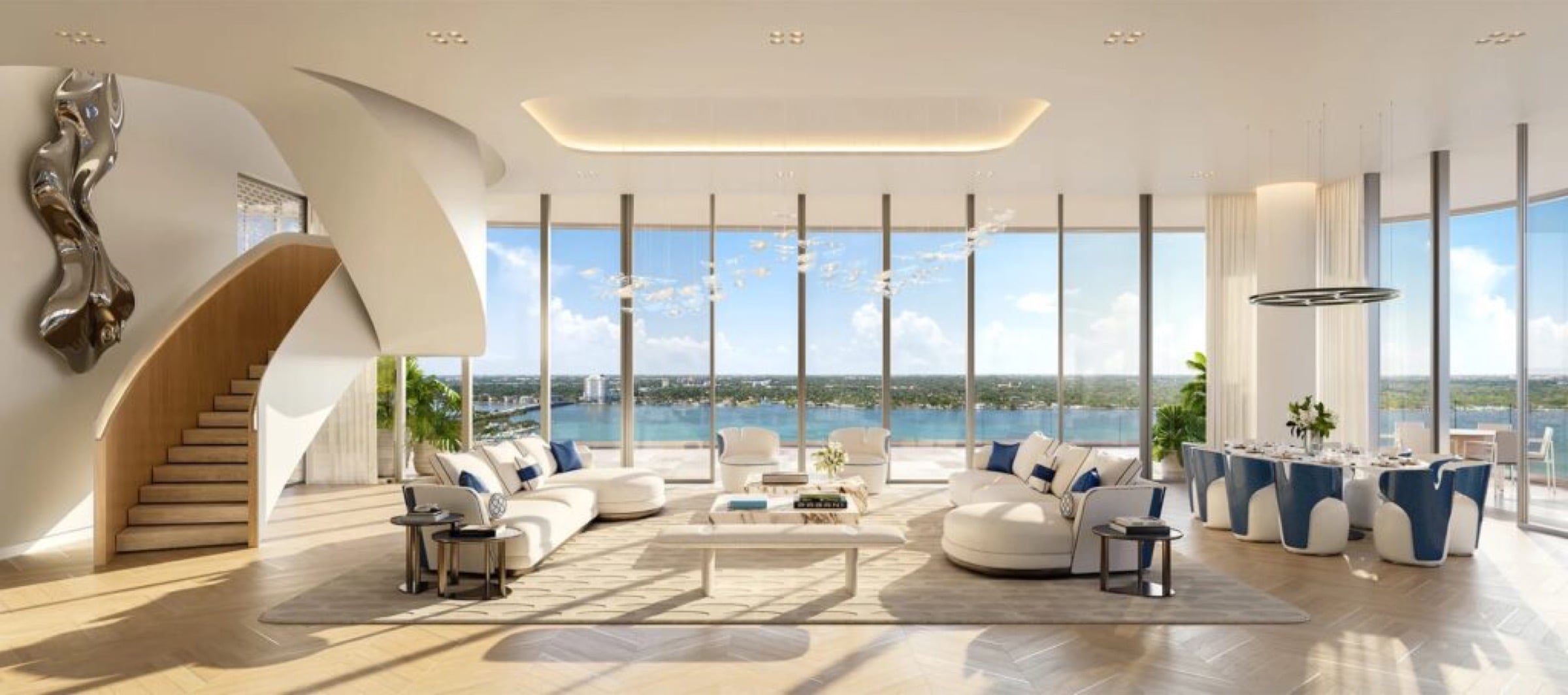
Branded residences have become one of the most powerful forces shaping Miami’s luxury condo market. For many buyers, the biggest question is whether they’re actually worth the additional cost.
“I don’t think every residence, just because you put a brand on it, deserves a huge premium,” Sherrill says. “But something like a Four Seasons, a St. Regis, an Aman, a Casa Cipriani—those brands to me are already at that hospitality level.”
For Sherrill, the real differentiator is less about the name on the building and more about what residents actually receive once they move in.
“I think where the value is, is where there’s great service, great hospitality… the experience.”
That distinction matters. Hospitality-backed brands can offer real operational value through service standards, property management, concierge offerings, dining, wellness, and other resident experiences. With projects where the brand’s involvement is more limited, buyers should be careful not to confuse name recognition with lasting value.
What You Actually Pay: Deposit Structure, Closing Costs, and the Total Check
One of the most misunderstood aspects of buying new construction condos in Miami is the actual cash required throughout the process.
While buyers often focus primarily on purchase price, closing-day expenses and staged deposits can materially impact total liquidity requirements.
Deposit Schedule (Typical 2026 Structure for a $1.5M Unit)
| Milestone | % | Cumulative | Held in escrow? |
|---|---|---|---|
| Reservation | 10% | 10% | Yes—Florida statute |
| Hard contract (30–90 days) | 10% | 20% | Yes (first 10% always) |
| Groundbreaking | 10% | 30% | Often released to developer |
| Top-off / 50% completion | 10% (some projects skip) | 30–40% | Developer use |
| Closing | 60–70% | 100% | Wired to closing agent |
Typical Closing Costs for New Construction Buyers
One of the biggest surprises for first-time buyers is that the purchase price isn’t the only number that matters. Buyers are often responsible for several costs that are traditionally paid by sellers in a resale transaction.
Most new construction buyers should budget approximately 3% to 4.5% of the purchase price for closing costs, though that number can climb higher depending on the development and fee structure.
Typical expenses include:
- Developer fee: Often 1.25%–1.75% of the purchase price.
- Documentary stamp tax: Approximately 0.6% of the purchase price.
- Title insurance: Generally 0.5%–0.6% of the purchase price.
- Working capital contribution: Usually equal to two months of HOA fees and collected at closing.
- Recording fees, attorney fees, and condo document review: Often several thousand dollars, depending on the complexity of the transaction.
So, buyers should plan for closing costs that are meaningfully higher than what they might expect in a traditional resale purchase.
Let’s assume you’re purchasing a $1.5 million residence in a newly constructed Miami condominium. A sample closing cost estimate might look like this:
- Developer fee (1.5%): $22,500
- Documentary stamp tax (0.6%): $9,000
- Title insurance (~0.5%): $7,500
- Working capital contribution: $2,000–$5,000
- Legal, recording, and closing fees: $2,500–$5,000
Estimated total closing costs: approximately $43,500–$49,000, or roughly 3% of the purchase price.
Keep in mind that this is only an example. Actual closing costs vary by project, contract terms, and whether the purchase is financed.
Before You Buy: What Matters Most

With dozens of projects competing for buyers’ attention, glossy renderings and sprawling amenity decks can make it difficult to distinguish one development from another. Sherrill recommends bringing the decision back to a few fundamentals.
“Location to me is everything,” she says. “And the builder’s history has to be important.”
That track record becomes especially important when buying a home that may not be delivered for several years. Sherrill recommends looking closely at what the developer has successfully completed in the past, or whether a newer entrant has partnered with an established Miami developer with a proven history of delivering projects.
“You want to go with somebody who has a track record and who has delivered great products,” she says.
The team around the buyer matters, too. A knowledgeable real estate advisor and real estate attorney can help evaluate the development, review the contract and condo documents, understand the deposit structure, and flag terms or costs that might otherwise be easy to overlook.
How Pre-Construction Buying Actually Works (Step by Step)
For first-time pre-construction buyers, the process can feel overwhelming. Below is the simplified sequence most Miami condo developments follow.
- Reservation agreement: Buyers typically begin with a reservation agreement and initial deposit, often around 10%. Floor plans, pricing, and unit selection are finalized.
- Condo documents and rescission period: Once official condominium documents are delivered, Florida law provides buyers with a statutory rescission period—generally 15 days—to review disclosures and cancel the contract if desired.
- Hard contract execution: After the rescission period expires, the contract becomes binding. Additional deposits are usually due.
- Construction milestones: Developers collect additional deposits at predetermined construction phases such as groundbreaking, top-off, or vertical completion.
- Pre-closing walkthrough: Before closing, buyers complete a walkthrough and identify punch-list items requiring correction.
- Temporary Certificate of Occupancy (TCO): Once the building receives TCO, buyers are typically given a 30–45 day closing window.
- Closing: The remaining purchase balance is funded, title transfers, and ownership officially records.
Can You Finance a Pre-Construction Condo?
Yes, although financing a pre-construction purchase works differently from getting a traditional mortgage on an existing condo.
During the construction period, buyers are generally responsible for funding the project’s required staged deposits rather than taking out a conventional mortgage against the unfinished unit. As Sherrill explains, the pre-construction contract itself is structured around those cash deposits.
Mortgage financing typically becomes relevant closer to completion, when the building is approaching delivery and the buyer needs to fund the remaining balance due at closing.
Because many new towers are not yet Fannie Mae or Freddie Mac warrantable during construction, buyers may work with portfolio banks, private banks, or lenders specializing in new-construction and non-warrantable condominium loans. International purchasers may also have financing options available, although down-payment requirements and underwriting standards can differ considerably.
The takeaway: buyers who expect to finance the final purchase should discuss that strategy with a lender well before closing rather than assuming a traditional condo mortgage will be available on the same terms as an existing property.
Miami’s Buyer Pool
Miami’s buyer pool has become more domestic in recent years, but international purchasers remain an important part of the market, particularly in Brickell, Edgewater, and Downtown.
“We see a much more domestic buyer than in the past,” Sherrill says. “But there’s still a huge amount of international buyers in Miami, which I think is amazing. It’s what makes Miami, Miami.”
And those purchases aren’t necessarily purely investments. Sherrill says she increasingly sees buyers purchasing homes they intend to use themselves, whether as primary residences, second homes, or properties that can serve both lifestyle and investment purposes.
Foreign Buyer Guide: FIRPTA, Entity Structuring, and SB 264
For most international purchasers, Miami remains one of the most accessible and attractive real estate markets in the country. Understanding how FIRPTA, ownership structuring, and state regulations may affect your purchase can help ensure a smoother transaction and avoid costly surprises down the road.
FIRPTA
FIRPTA does not apply when you purchase a property. It applies when a foreign owner sells U.S. real estate, generally requiring the buyer to withhold 15% of the gross sale price at closing toward the seller’s potential tax liability.
There are exceptions. A qualifying buyer who will use the property as a residence may be exempt when the price is $300,000 or less, and a reduced 10% rate can apply to qualifying residences priced above $300,000 through $1 million. Sellers can also apply to the IRS for a withholding certificate to reduce the amount withheld. Because eligibility turns on the specific facts of the transaction, confirm the treatment with your closing agent and tax advisor.
Entity Structuring
Foreign buyers typically purchase individually, through an LLC, or via a land trust. Individual ownership is the simplest, while LLCs and trusts can offer additional privacy, liability protection, and estate-planning benefits depending on the buyer’s goals.
Florida SB 264
Florida SB 264 restricts certain real estate purchases involving individuals and entities connected to China, Russia, Iran, North Korea, Cuba, Venezuela, and Syria. Under Florida Statutes §692.203, those restrictions reach property within 10 miles of a military installation or a critical infrastructure facility—a footprint that covers far more of South Florida than most buyers assume.
Separately, §692.204 generally bars covered persons and entities domiciled in China from acquiring real property anywhere in Florida, subject to a narrow residential exception. The law remains in force, and penalties for noncompliance are significant. If any part of your ownership structure touches one of the listed countries, retain Florida counsel to review the specific transaction before you sign.
The New Developments on Our Radar
Project details below were verified as of August 2026. Sizes, starting prices, and delivery dates move as sales progress and construction schedules shift, so confirm the current numbers with the developer’s sales team before making a decision.
Four Seasons Private Residences Coconut Grove
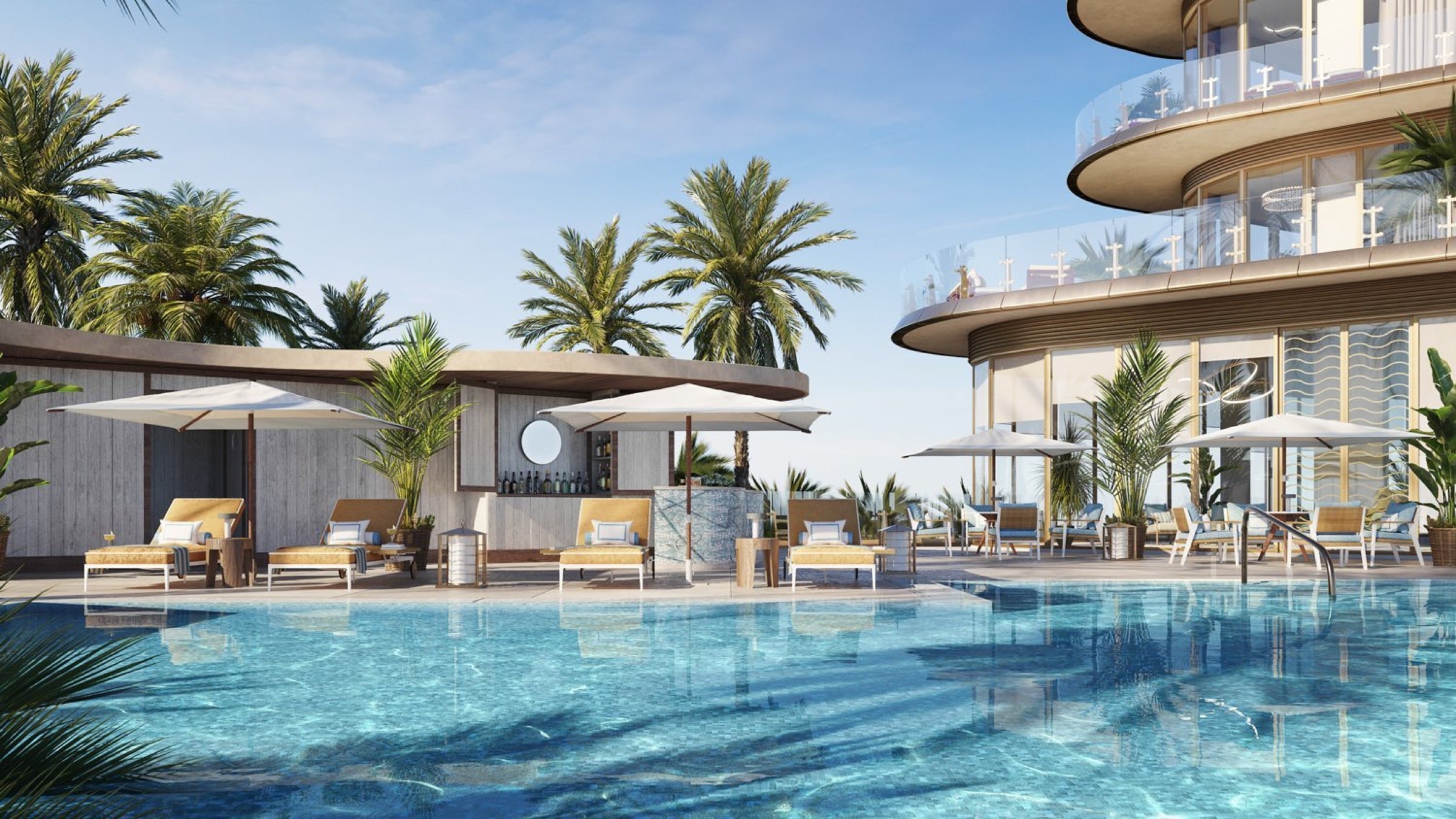
- Developer: CMC Group & Fort Partners
- Architect: Revuelta Architecture International
- Residence size range: Two- to four-bedroom residences from approximately 2,000–4,900+ sq. ft., plus penthouses spanning approximately 6,425–9,700 sq. ft.
- Price range: Starting from about $5.6M
- Expected delivery: 2028
The catch: entry pricing is among the highest in Miami.
Mandarin Oriental Residences, Brickell Key

- Developer: Swire Properties
- Architect: Kohn Pedersen Fox (KPF)
- Residence size range: Two- to five-bedroom residences from approximately 2,300–5,800 sq. ft., plus penthouses
- Price range: Starting from approximately $5M
- Expected delivery: 2030
The catch: buyers should be prepared for a lengthy construction timeline and a premium price tag compared to other Brickell luxury developments.
The Shore Club Resort & Residences, Auberge Collection, Miami Beach
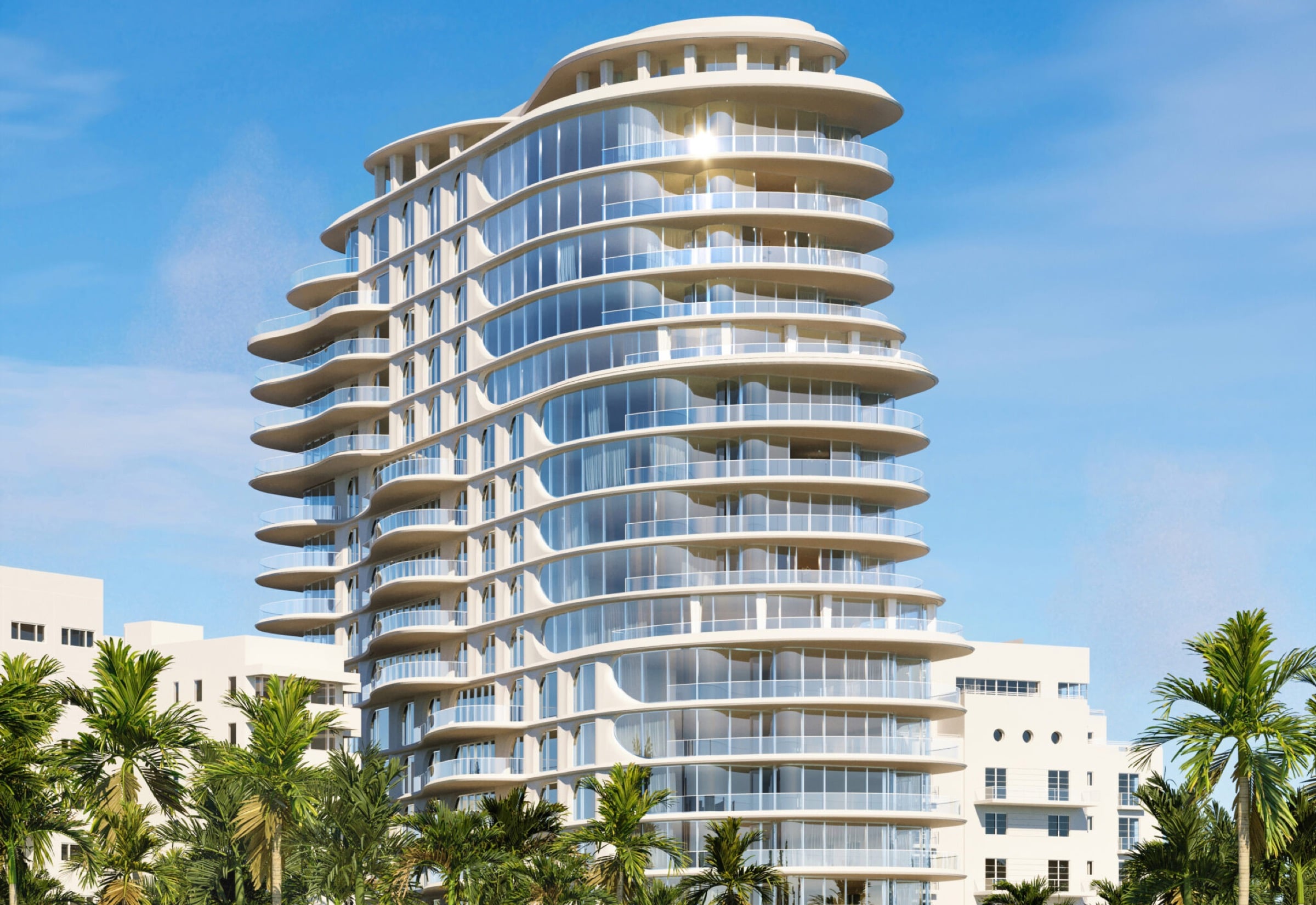
- Developer: Witkoff in partnership with Monroe Capital
- Architect: Robert A.M. Stern Architects
- Residence size range: Two- to six-bedroom residences spanning approximately 1,900–7,000+ sq. ft., plus a 6,000-sq.-ft. standalone Beach House and a 10,500-sq.-ft. penthouse
- Price range: Starting from approximately $6M
- Expected delivery: 2027
The catch: the location is already proven, but you’ll pay heavily for it. With just 49 residences on a prime oceanfront site, Shore Club sits at the very top of the Miami Beach market.
Faena Residences, Miami River
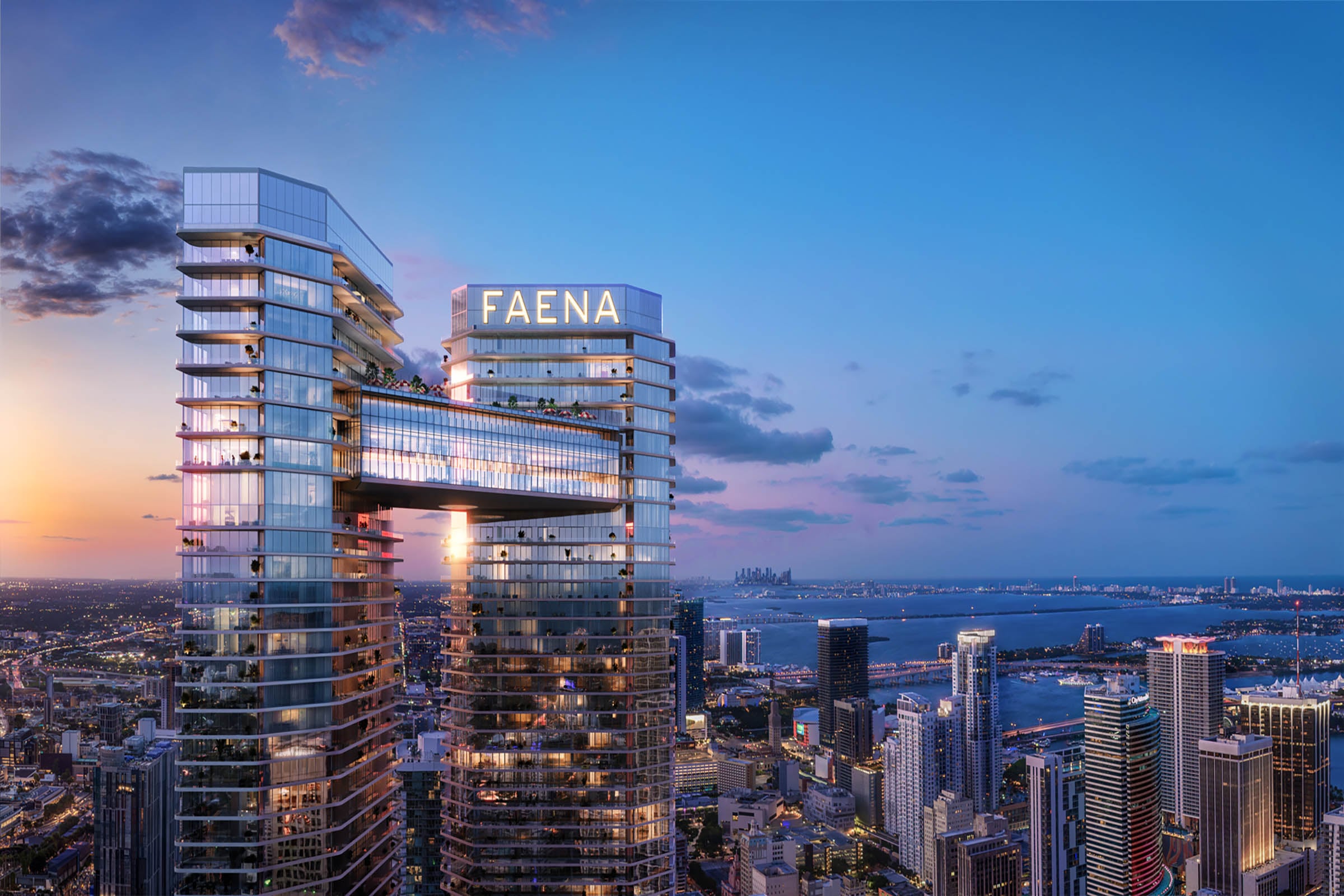
- Developer: Fortune International Group & KAR Properties
- Architect: Rafael Viñoly Architects
- Residence size range: One- to four-bedroom residences spanning approximately 711–3,180+ sq. ft., plus 1,429–3,300+ sq. ft. River Lofts, 2,266–6,650+ sq. ft. Sky Lofts, and custom penthouses available on request
- Price range: $1.5M–$10M+ for penthouses
- Expected delivery: 2029
The catch: with delivery not expected until 2029, buyers are taking on a longer construction timeline and betting that the surrounding riverfront transformation catches up with the caliber, and pricing, of the project.
Red Flags: How to Spot a Caution-Tier Building
Before signing a purchase contract, it’s crucial to look beyond the sales center and evaluate the fundamentals of the project itself. The following warning signs don’t necessarily mean a development should be avoided entirely, but they do warrant additional due diligence.
- Brand-licensing-only deals: A recognizable brand name doesn’t always translate into a better investment. If the brand is simply licensing its name rather than actively managing operations and services, the long-term value of the premium may be harder to justify.
- Investor-heavy presales: Buildings where more than 60% of units are purchased by investors can face significant resale competition after delivery, particularly if many owners try to sell or rent at the same time.
- No recent Florida track record: Miami’s development environment is complex. Developers without a completed Florida project in the past decade should be evaluated carefully for financial strength, execution history, and local experience.
- Construction financing hasn’t closed: A project without finalized construction financing carries additional risk. A fully funded loan is often one of the strongest indicators that lenders have vetted the project’s viability.
- Unrealistic HOA budgets: Low HOA fees can be attractive during presales, but buyers should review reserve funding, insurance assumptions, and projected operating costs carefully to avoid future surprises.
- Single-asset LLC without a parent guarantee: Many projects are developed through LLCs, but buyers should understand who ultimately stands behind the building. Strong parent-company backing can provide additional protection if issues arise.
- Hotel-condo structures: Some condo-hotel projects restrict owner occupancy or prioritize hotel operations over residential use. Buyers should carefully review these usage rules before purchasing.
Post-Surfside Reality: What Changed and What It Costs You
The 2021 collapse of Champlain Towers South in Surfside triggered sweeping changes to Florida’s condominium laws. New regulations now require milestone inspections for older buildings and stronger reserve funding to help prevent deferred maintenance and costly structural issues.
For buyers, the biggest impact has been rising HOA fees and special assessments in many older condominium buildings as associations work to comply with the new requirements. While Florida later introduced some flexibility through House Bill 913, the broader shift toward stronger reserve funding remains in place.
This is one reason many buyers are gravitating toward new construction. Newer buildings are designed to meet current codes, begin with reserve accounts in place, and are less likely to face major maintenance surprises in the near term. However, insurance remains a growing expense across all building types, with master policy costs often ranging from approximately $0.85 to $2.50 per square foot annually and ultimately being passed through to owners via HOA fees.
The takeaway: don’t just compare purchase prices. When evaluating a condo, pay close attention to reserve funding, insurance costs, and the overall financial health of the association.
Frequently Asked Questions
How much do you need to buy a new construction condo in Miami?
You can still find entry-level new construction condos starting around $450,000 in neighborhoods like Edgewater and Wynwood. Most quality one-bedroom units in Brickell fall between $750,000 and $1.2 million, while branded luxury residences often start around $1.5 million and can exceed $50 million for trophy penthouses.
What is the deposit structure for pre-construction condos in Miami?
Most luxury pre-construction projects in Miami require buyers to make staged deposits throughout construction. A typical 2026 schedule includes 10% at reservation, 10% at contract execution, 10% at groundbreaking, and the remaining 60% to 70% due at closing. Individual projects may vary depending on the developer and financing structure.
Can I cancel a Miami pre-construction contract?
Buyers typically have a 15-day rescission period after receiving the full condominium documents package. After that window closes, cancellation becomes much more difficult unless the developer fails to meet its contractual obligations.
What are closing costs on a new construction condo in Miami?
Buyers should generally budget between 3% and 4.5% of the purchase price for closing costs. Expenses often include developer fees, documentary stamp taxes, title insurance, working capital contributions to the HOA, recording fees, and legal review.
Can you finance a pre-construction condo in Miami?
Yes, but mortgage financing typically comes into play closer to closing rather than when you first sign the contract. During construction, buyers generally make staged cash deposits, with the remaining balance funded at closing through cash or financing. Many buyers work with portfolio lenders or private banks, and close to 50% of Miami’s new construction purchases still close with cash.
Pre-construction or resale—which is better in 2026?
Pre-construction offers customization options, newer building systems, and potential appreciation during the construction period, while resale condos provide immediate occupancy, known operating costs, and reduced construction risk. Buyers prioritizing certainty often favor resale, while long-term investors may prefer pre-construction opportunities.
What happens if the developer delays delivery?
Most Florida pre-construction contracts contain developer-friendly provisions that allow for delays caused by construction, permitting, labor shortages, weather events, or other factors. In many cases, buyers have limited recourse for delays of 12 to 24 months. If delays exceed contractual limits, buyers may be entitled to cancel the contract and recover eligible deposits.
How to Start Your Search
Start with the neighborhood, then the building. Our Miami neighborhood guides break down what it’s actually like to live in each area:
TAGS

Jamie Honowitz is an editorial contributor for Dish Miami. A passionate foodie with a love for travel and discovering new places, Jamie enjoys exploring Miami’s evolving dining and lifestyle scene and sharing the experiences that stand out most.
View all posts →Related Stories
Miami Pre-Construction Condos 2026: The Complete Buyer’s Guide

Da Beauty Bar, Atenaa Beauty Concept, and the Art of Getting It Just Right

Miami Spa Months Is Here: A Neighborhood Guide to the Best Spa Deals This Summer